A College Case for Camp

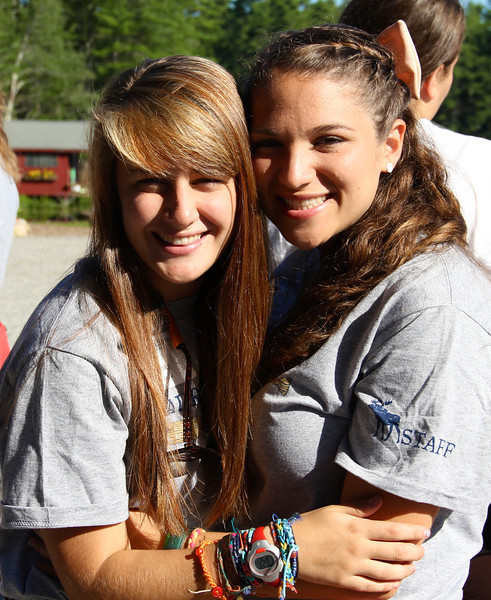
One of the most understated advantages of summer camps is how much they do to help prepare older campers for life after the summer.  Increasingly, sleepaway camps are taking an interest in providing older campers with valuable experiences that will help them through the college application process and later in life. Leadership programs, college visits and community service are just a few of the offerings for older campers, and statistics show that there is a college case for them.

There is a rising trend of college admissions foregoing standardized test scores in favor of applicants with diverse backgrounds and experiences. An article on www.education.com reveals that colleges are realizing high standardized test scores are not necessarily indicative of good students. Rather, those students who demonstrate well-rounded backgrounds with involvement in a variety of activities, such as summer camp, generally make good students because they learn valuable skills through these activities. Beyond the activities themselves, however, colleges are considering the value of them by examining how applicants engaged in them. In other words, colleges considering activities in lieu of test scores aren’t just placing heavy weight on applicant involvement in activities such as summer camp, they’re placing considerable weight on what applicants did while involved. This creates prime opportunity for summer camps to step up and showcase just how much campers benefit from returning each summer, and many camps are answering the challenge.

Campers attend summer camp for several years—sometimes as many as eight. The summer camp environment is the perfect place for them to engage in fun activities with friends that teach skills that college admissions teams find valuable. Through special activities and opportunities to lead younger campers, teenage campers learn to be effective leaders. Some camps also offer extended counselor training programs that provide high school campers with the opportunity to take on staff roles at camp. Often, these types of programs are the first work experience for campers eager to take on leadership roles at the beloved summer home where they grew up.
Beyond counselor training programs, or sometimes in place of them, a handful of camps also offer highly customized programs in which campers learn how to communicate effectively and support each other. Such programs teach inclusion and help older campers develop a resistance to falling prey to common teenage stumbling blocks such as gossip, bullying and negative peer pressure. Camps often work with professional psychologists, life coaches, and even nutritionists to maximize the benefits of these programs. These professionals are frequently featured guests who engage campers in special activities that demonstrate life lessons in fun and engaging ways.
There is also a trend in camps taking on the task of taking campers on tours of a variety of college campuses. Many camps in the New England area are within proximity to some of the most esteemed institutions of higher learning in the nation, and they arrange formal tours so that their older campers can actually get a glimpse of college life. Moreover, college tours prompt students to begin considering the qualities for which they are looking in a college, such as size, geographic location, and extra-curricular offerings by seeing firsthand how these factors affect the college experience.

Community service programs are also a rising trend in camping, surprisingly, often by camper request. Campers grow up in camp learning to be a member of a community. They develop such a respect for that community and everything it has contributed to their lives that they want to give back. They see the value in passing on the rites and traditions with which they grew up to others. While some community service programs stay within the camp campuses, others reach well beyond camp and extend into the local or even national community. Camps openly support charities and plan special events dedicated to those causes, which means that campers are learning from an early age the value of community involvement.
Parents wondering if summer camp is still as beneficial to their children as teenagers compared to when they were younger need only look at college admission trends. Chances are that camp could be that all important deciding application factor and the skills teenage campers bring away from their final few summers at camp may well be much more valuable than you thought.

Popular Sports at Camp

There is a decided difference between popular school sports and popular camp sports. Most schools throughout the nation focus on key sports like football, baseball, softball, basketball, volleyball, and soccer. At summer camps, campers have much more exposure to non-traditional sports that receive decidedly less promotion through school but prove rather popular at camp, in spite of—or perhaps because of —the fact that they are not widely promoted in school environments.

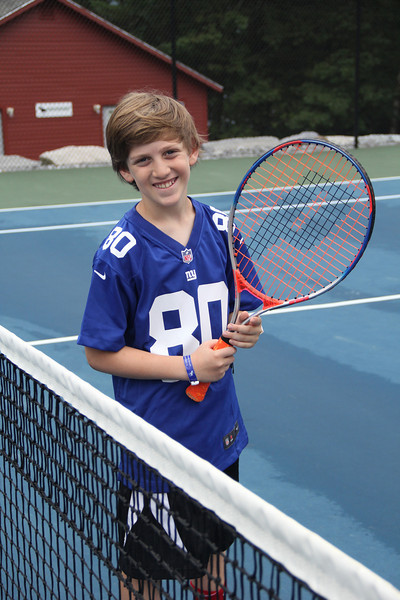
Tennis is a sport to which most children are exposed for only a few weeks of physical education class each year. At camp, however, it’s one of the most popular and beloved activities. Campers have the opportunity to play several hours of tennis each week on quality courts and even participate in intra and inter camp league play. Furthermore, the instruction is excellent. Many summer camp tennis directors are former tennis pros who have played at the elite level in premiere tennis competitions.

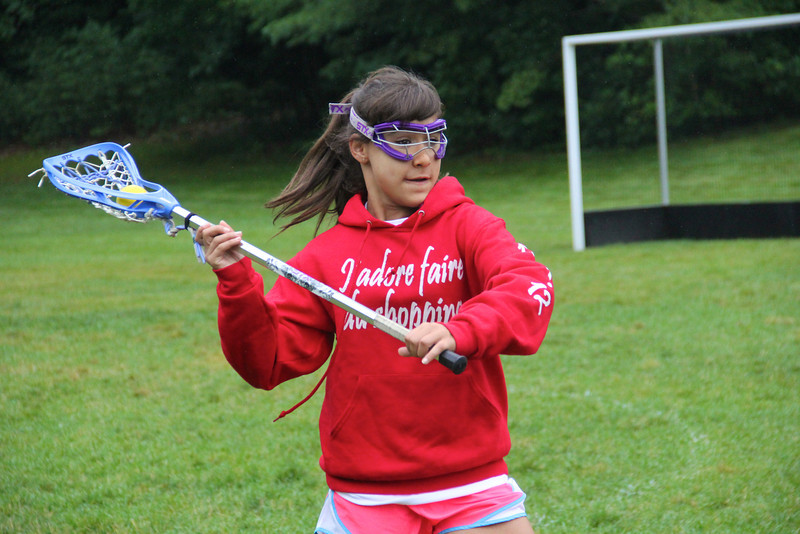
Lacrosse, although popular in New England and other pockets of the Eastern United States, is not widely played in many regions of the country. Yet, it’s one of the most popular camp sports. Many summer camps offer extensive and ever growing (by popular demand) lacrosse programs. Most camp lacrosse specialists play at the college level and many lacrosse heads coach at the college level.  Campers who hail from geographic regions in which lacrosse is still an underdog sport have the opportunity to receive valuable, quality instruction that surpasses anything available where they live. In fact, many of these campers play lacrosse for the first time while at summer camp and discover a new favorite sport.

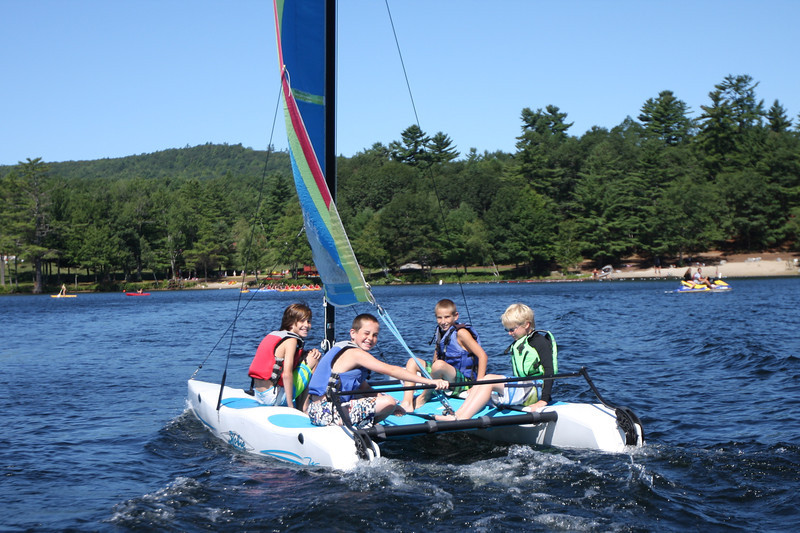
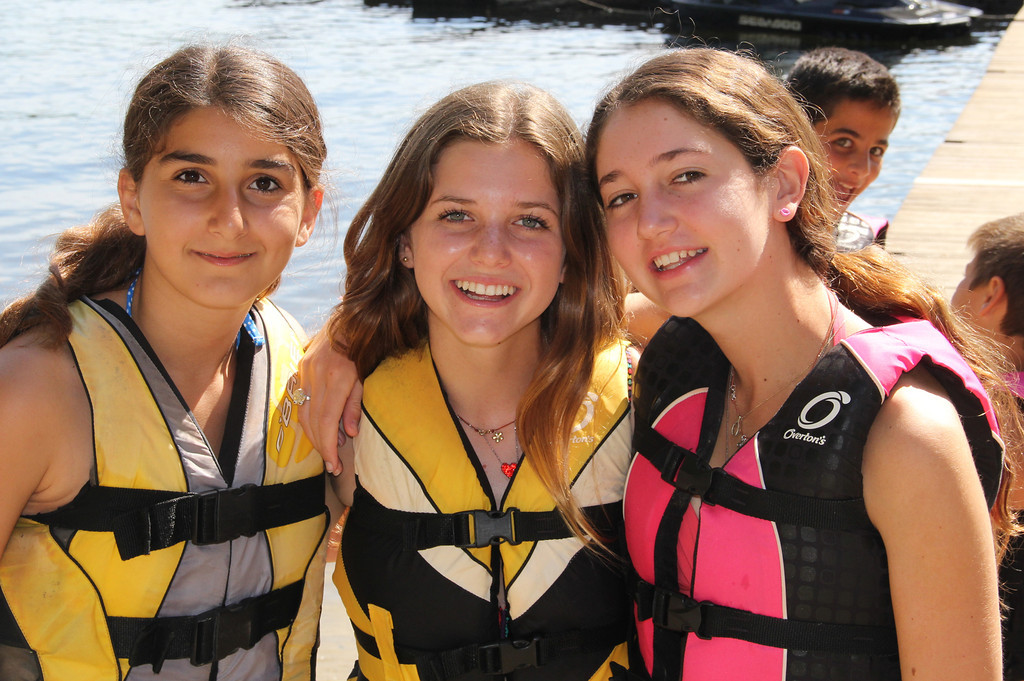
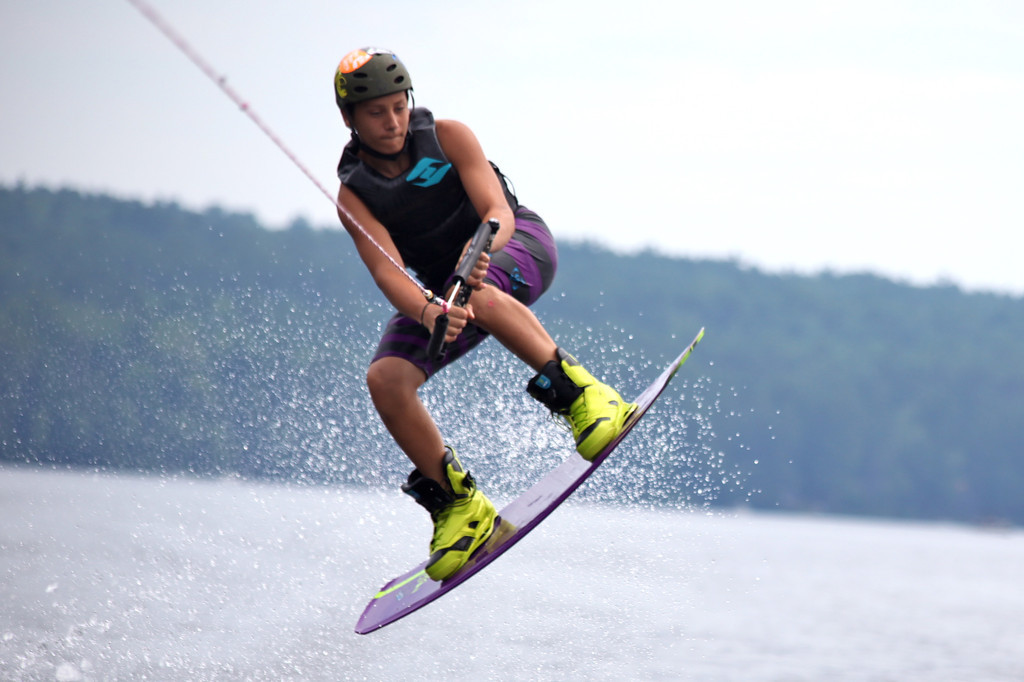
For children who love water, boating is another popular camp activity to which most campers receive little to no exposure during the school year. Camp waterfronts are a crucial part of camps, and campers spend a lot of time in or on the water at camp. To sweeten the pot, summer camps make various types of boats available so that campers can try their hand at canoeing, kayaking, sailing, and even stand-up paddle boarding. Waterskiing is another popular water sport on which many camps place a particular focus. Campers have the opportunity to waterski throughout the summer, and some of the most enthusiastic camper responses every summer are those of campers who get up on water skis for the first time.

Animal loving campers adore camp equestrian programs. Campers who live in urban environments and have minimal exposure to animals throughout most of the year enjoy learning to care for and ride horses. The experience is doubly beneficial when the fact that equestrian programs are virtually non-existent at the majority of schools is taken into consideration.

Campers race to suit up for roller hockey. It’s an action packed and fast paced sport that is fun to play and a key activity in many camp programs. Not only do a lot of campers embrace an otherwise unfamiliar sport in roller hockey, they learn how to skate as well!

Archery. Most schools don’t offer archery, even as part of a physical education program. But it’s a regular part of camp, and pretty much every camper who takes aim at the bulls-eye throughout the summer will tell you that it’s a fun one.

Golf. Yep, many camps offer golf instruction as well. Campers love to relax while driving balls and working on their strokes. They also like that golf is a sport in which it is relatively easy to measure one’s level of improvement throughout the summer.

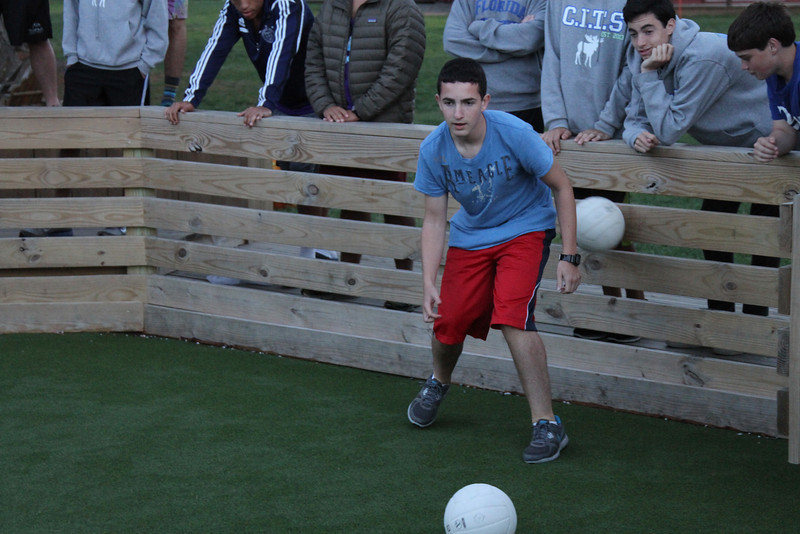
Gaga is practically synonymous with camp. It’s serious business there, and it can get intense. Gaga is  practically unheard of outside of the camp realm. Still, ask virtually any summer camper to list their top five favorite activities at camp, and chances are that gaga will appear somewhere on that list.

Many a camper engages in what will become a favorite sport at camp for the first time. Perhaps it’s because some sports are a rare treat that, if it wasn’t for sleepaway camp, campers know they would never get to experience and, therefore, are eager to embrace. It can also be that campers find the newness of such sports refreshing in respect to the typical repertoire of school sports. Either way, summer camp is an excellent way for campers to receive exposure to and quality instruction in sports that may not be so popular at school but prove very popular at camp.

The Importance of Evening Activities at Camp

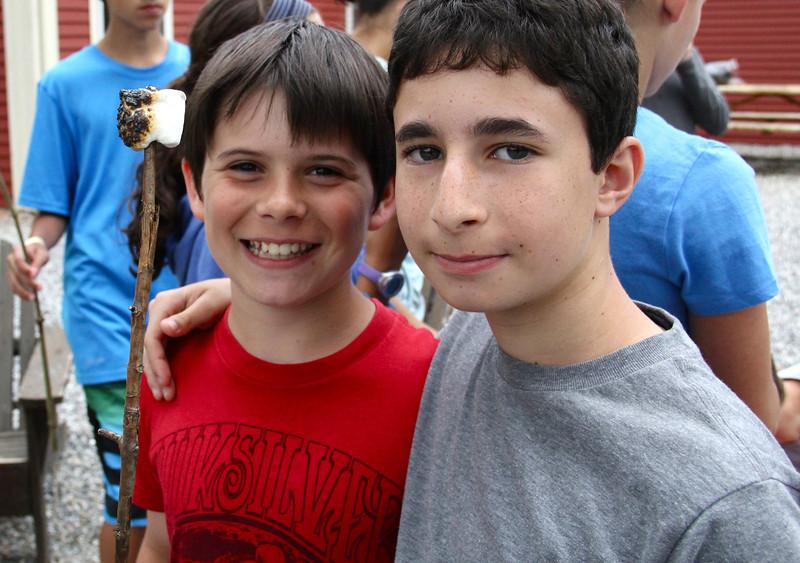
The typical image of evenings at summer camp involves campers sitting around a campfire roasting marshmallows and singing songs. While campfires are an essential part of the camp experience and some camps enjoy campfires nightly or weekly —  they’re only the tip of the iceberg when it comes to after dinner activities. While some nights, particularly those following busier than usual days, are “chill” nights at camp during which campers watch a movie, enjoy a camp show or, yes, sit around that infamous campfire, on most nights when the sun goes down at camp, the action heats up and things get crazy—sometimes really crazy—and maybe even a little goofy.

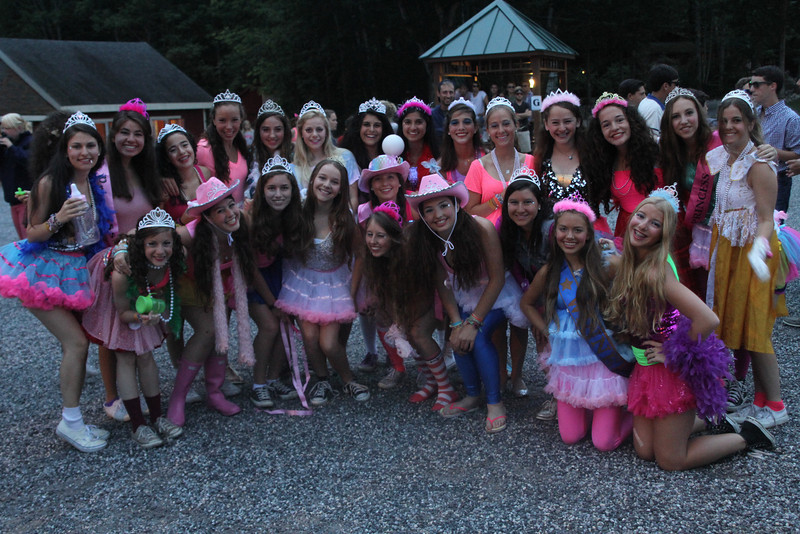
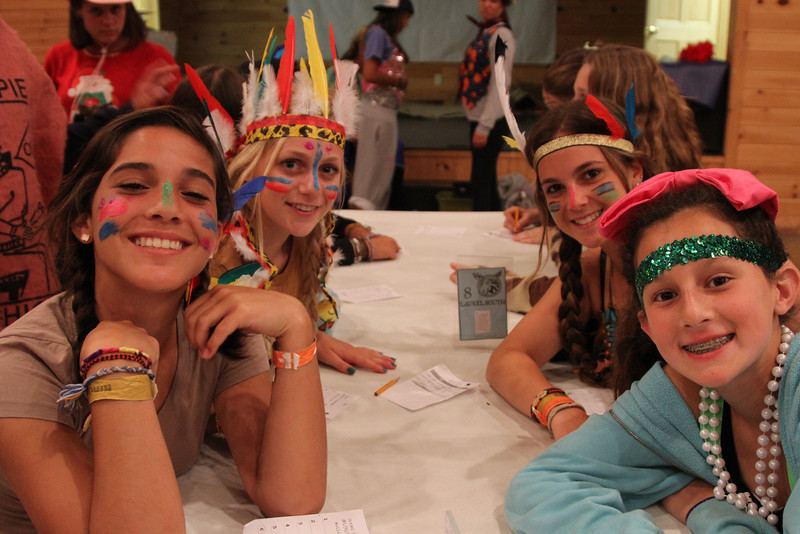
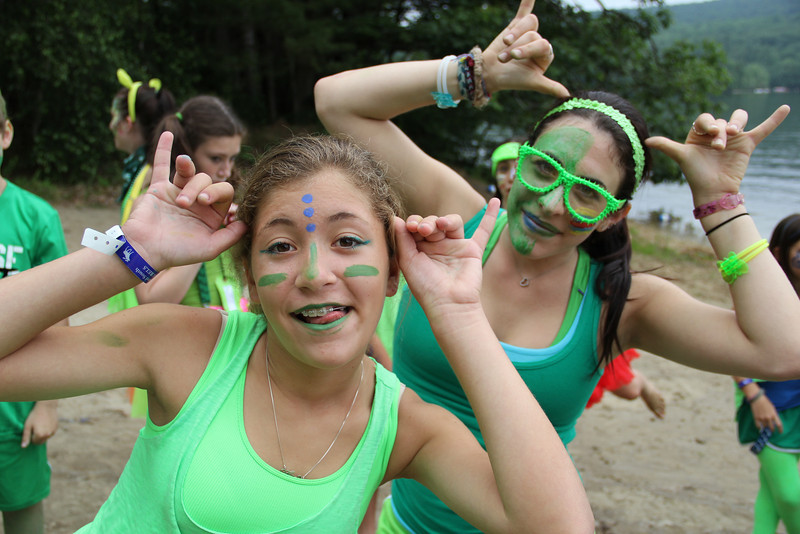
Whether it’s a dance, an evening of games or a scavenger hunt, it’s important to dress for the occasion and costumes are often encouraged. Acceptable attire often includes tutus, crazy hats or wigs, temporary tattoos and face or body paint. When competition is involved, dressing in team colors is also a must. Friends or even entire cabins often try to mirror each other with matching outfits, and showing team spirit typically becomes a competition within a competition. Clever cheers (often involving inside camp jokes), singing, and loud encouragement provide the soundtrack to a night of activities designed to help everyone let loose, be themselves, and, most importantly, have fun. So what is the point of so much silliness after a full day of activities? It’s simple. Play. Play has long been touted by child psychologists as crucial to social and cognitive development. At camp, however, the kind of play that happens during evening activities takes on a much bigger role as an avenue for inspiring campers and staff alike to embrace camp values and put them into action.

At least one of these three key words consistently appears in camp mottos: “tradition”, “family”, “friends.” All three are emphasized during evening activities at camp. Whether it’s to win a competition or a race, playful evening activities are a fun way for campers to come together as a family to achieve a common goal. More importantly, individual age divisions often spend time together during evening activities. During the day, campers go in many different directions, depending on their interests and program schedules. In the evenings, however, they come back together as a group. In the midst of lighthearted moments, friendships are born and strengthened.

Sleepaway camp traditions don’t begin and end with campfires and sing-alongs. They are evident—or sometimes born—in even the wackiest moments of evening activities. Those activities become perennial favorites to which campers look forward all year. They spend time during the winter contemplating ways in which they can enhance tradition and future memories by building upon previous experiences of those activities. They communicate with each other, brainstorm ideas and even make plans. In short, through play, campers take ownership of their camp experience as well as their camp traditions. In doing so, they embrace camp values.

5 Reasons Kids Can’t Stop Talking about Camp

Raise your hand if this happened to you this year—as it does every year right about now. Just when you thought you’ve finally—FINALLY—heard the last of the camp stories, it arrived. Maybe it was the camp video, the camp newsletter…even an invitation to a camp reunion. Whatever it was, it was about camp, reminding you that we’re halfway to another summer, and now you’re hearing that waterskiing or baseball story for, oh, about the 27th time. And raise your hand if you ever find yourself questioning how a few weeks each summer can have such a profound impact on your children that they’re still talking about it in the dead of winter as if it was just a couple of weeks ago. Not that you mind. You’re very happy that your investment in summer camp has been a good one. But you still wonder. Well, here are a few things to consider.

1.)    At summer camp, campers get to spend all day, every day with their friends. Before you argue that they get that at school too, consider this: At summer camp, campers not only spend all day with their friends, they get the opportunity to interact with them. When you think about it, interaction with friends at school is primarily limited to hallway conversations between classes, recess (for younger children), and lunchtime. Sure, they may steal a few exchanges during class at the risk of detention, but for the most part, talking while teachers present lessons (which comprise the bulk of the school day) is generally discouraged. In juxtaposition, summer camp is more like a sleepover that lasts several weeks, and everyday campers get to do something special with their friends. Beat that on the fun-o-meter!

2.)    Children can be themselves at camp. Not that there aren’t rules to follow at summer camp, too. But the rules tend to be the kind that promote being at ease. They are considerably more relaxed than those imposed at school, and even those pertaining to appropriate conduct in social situations are somewhat lax in comparison to those they have to follow the other ten months of the year. Most restaurants (or their patrons) probably aren’t too excited when children start singing or cheering in the middle of their meal, for example. Most summer camps encourage it.

3.)    Children get to be independent at summer camp. Not that your children don’t love and adore you, but they like doing things on their own too. Children take a lot of pride in accomplishing something they tried for the first time at camp on their own (with the support of their fellow campers, counselors, and a host of other camp staff as well, of course…but in their minds, it was all them, and that’s okay).  It gives them a sense of pride to know that they don’t need Mom and Dad to do everything.

4.)    Camp is a youthful environment. Camp is an environment dedicated to youth. Even staff members are young at heart. This doesn’t sound like a big deal, but think about the “real” world from a child’s perspective. It’s basically a place where they are constantly put in check by grown-ups and reminded about all of the things they can’t do until they are grown-ups. Camp, in contrast, is a place all about pleasing kids and where they are constantly reminded of why it is so sweet to be a kid.

5.)    Children observe time differently at summer camp. Really! They do. When the school year begins, so does a countdown that children measure in “months still to go.” It’s a slow moving countdown of which children consistently consider themselves on the back end. There is always still time. When summer camp begins, a countdown also begins. But this countdown is measured in “weeks that have already passed.” Children place themselves on the front end of the camp countdown. In other words, they know that their time at summer camp is limited. From the second they arrive, they set out to make each and every minute count, which increases the intensity of the experience. That’s why those seemingly mundane ‘It’s a camp thing’ or ‘You had to have been there’ stories you hear over and over are so revered by your children. They were actually living so vividly in the moment they experienced them that the moment sticks with them. Not many children share quite the same enthusiasm about, let’s say, their last math exam, for example.

So when the next camp reminder arrives in your mailbox or your inbox and the stories start again, just remember that, for campers, an arrival of anything from camp is like receiving a postcard from Neverland.

Benefits of STEM Related Summer Camp Programs

Stem is a popular buzzword—or, more appropriately, acronym–circulating among educational circles, but it might not be a term one might expect to hear within summer camp circles. STEM stands for science, technology, engineering and math, four subject areas to which educators are increasingly striving to give students additional exposure, and summer camps are hopping on the bandwagon. According to the American Camp Association, STEM related activities have been among the most popular additions to summer camp programs over the past five years and for good reason. Summer camp provides campers with an alternative venue to learn in ways that are fun. Classrooms are replaced with the outdoors or facilities designed exclusively for individual programs and class size is vastly reduced allowing campers to be able to take a more intricate, hands on approach to exploring STEM areas through related camp activities. According to the New York Daily News, the average class size in New York, an area in which summer camp is particularly popular, is 25 students. In some schools, class sizes exceed 30 students. STEM related camp programs such as Nature, Rocketry and Radio, are often capped at fewer  than a dozen campers per activity period.  STEM related programs increasingly prove to be among the most popular with campers. So why are children flocking to educational niche programs? There are likely several reasons.

First, summer camp provides an informal, laid back setting. There is no homework. There is no syllabus. There are no lectures. There are no deadlines. There are no exams. It’s completely a ‘participate to the level of your comfort’ environment. All campers are encouraged to try camp STEM related programs at least once during the summer, but some find a new interest or passion and return several times. The ‘participate as you wish’ approach also allows campers to choose how to focus their interests. Counselors, often college majors or professionals in the area that they lead, are facilitators. They are there to encourage and assist campers in channeling their efforts into particular aspect of a STEM related activity if they so desire.

Second, the whole point of summer camp is for campers to have fun. So it goes without saying that camp activities are designed to emphasize fun, even those related to subject areas in which students are traditionally less than enthusiastic during the school year. In that regard, educational niche programs at sleepaway camp aren’t intended to compete with or replace the learning that takes place during the school year, but to enhance it.

Third, there is a healthy mixture of activity. Unlike a school setting in which students move through subjects throughout the day typically in a lecture setting, at least half of the day at a traditional summer camp is spent outside where campers take part in sports and water activities. Many camps also incorporate a designated time to rest into their programming day in order to give campers and staff the opportunity to recharge. So those program activities that could be perceived as educational are mixed in with healthy doses of physical activity and relaxation.  This allows campers proper time and space to both process the activities in which they take part throughout the day and to approach future activities with a fresh mind.

Although traditional summer camp STEM related programs are not intended to replace those offered in schools, they may ultimately be equally attributable to inspiring future scientists, technologists, engineers, or mathematicians by encouraging campers to explore these subjects in ways and to a level that they might not get to do during the school year. Some campers may carry a newfound interest in these subject areas home and take on a new enthusiasm at school, making summer camp STEM related programs an invaluable addition to their program lineup.

10 Camp Things for Which We’re Thankful All Year Long

The holidays are upon us and ‘tis the season to ponder those things for which we’re truly thankful. For those of us who are fortunate enough to eat, sleep and breathe camp 24/7, 365 days a year, it’s hard not to make an exclusive “Camp Laurel South” list. After all, camp is just as much a part of our lives in November as it is in June. So we figured we’d share some camp things for which we are thankful all year long.

1.)    Our campers. Each and every one of our campers brings something unique to camp that makes our camp family complete. Getting emails and phone calls about our campers’ accomplishments throughout the winter makes the memories we have of the summer that much more special, and makes us even more excited to see everyone the following year.

2.)    Our camp parents. We feel pretty lucky to have so many parents who as enthusiastic about camp as their children and who keep in touch throughout the winter, providing us with fun and interesting updates.

3.)    Our staff. Finding a staff of talented people who are willing to leave their first homes and make summer camp their second home for several weeks  each summer in order to literally live their jobs day and night is no easy feat. That we’re able to put together a staff each summer who is so vested in creating an amazing summer for all of our campers is truly a blessing.

4.)    Alumni. It’s always a special treat when our alumni share their favorite camp memories and reiterate how great their camp years were. The fact that so many of our alumni are still in touch and/or are active within our community says a lot to us about just how special camp is and motivates us to continue to strive to make camp a lifetime worth of memories.

5.)    A beautiful campus. That first drive into camp each summer is always so special. No matter how many times we’ve been there, that first glance of the bunks/cabins, the dining hall, the fields, the courts and the waterfront each summer is something we anticipate all year long.

6.)    Memories. Memories are what makes each summer different than the last. Even in the fall, we find ourselves asking each other, “Remember when…?” and laughing over our favorite camp moments throughout the year.

7.)    Camp Songs. We often find ourselves turning up the volume whenever a song that proved popular the summer before plays on the radio or humming the alma mater or a favorite dining room tune while we’re busy planning for next summer.

8.)    Camp friends. It’s so nice to have someone with whom we can remember those special moments from previous summers and with whom we can have a hearty laugh about those inside moments that only our camp friends can understand. It’s also nice to be able to re-experience camp through meetups through the winter and makes us even that much more excited about next summer.

9.)    The camp tradition. It sounds pretty obvious, but just the fact that we’re able to carry on such a beloved tradition is a privilege. Summer camps have been around for more than a hundred years and such an iconic part of our culture that movies and television shows have been made about summer camp and books have been written about it. Not to mention, without summer camp, we’re not quite sure what we’d be doing. We certainly can’t imagine doing anything else.

10.) The promise of next summer. We’ve said it a million times, but we start anticipating the next summer as soon as the buses pull away. That ten month wait each year seems like forever, but it proves to be just enough time to plan another summer that promises to be even better than the last. The anticipation drives us all year long as we plan and makes us thankful to be part of camp all year.

Elasticity

Elasticity is defined by Merriam-Webster as “the quality of being adaptable.” By definition, elasticity is not merely a description of successful campers and staff, but a description of summer camp itself. Summer camps have existed for over a century and are generally considered a piece of Americana.   With well over 12,000 summer camps across the United States (and a collective enrollment in the tens of millions), however, summer camp is anything but a thing of the past. It’s a strong “tradition” that continues to attract families from all over the world.

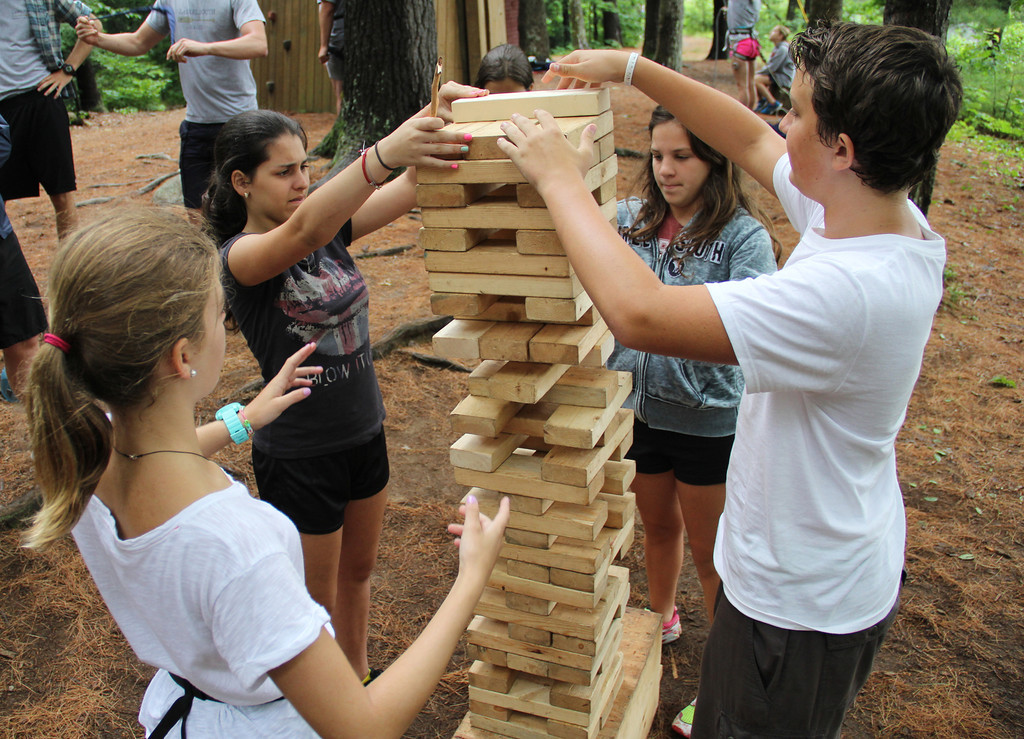
One might be tempted to ask what quality of summer camp enables it to continue to thrive. Undoubtedly, that quality its elasticity. While summer camps are rooted in tradition, they’re also in tune with the contemporary needs of children. Summer camp was originally a place where parents sent their children to escape from the health hazards posed by the increasing industrialization of cities. Now, it’s a place where children are sent to escape the automation of society. Camp is no longer merely a place to reconnect with nature but with each other as well. Summer camps have expanded their activities to reflect this evolution. In addition to sports, camps offer activities such as outdoor adventure, which include rope and obstacle courses designed for team building.

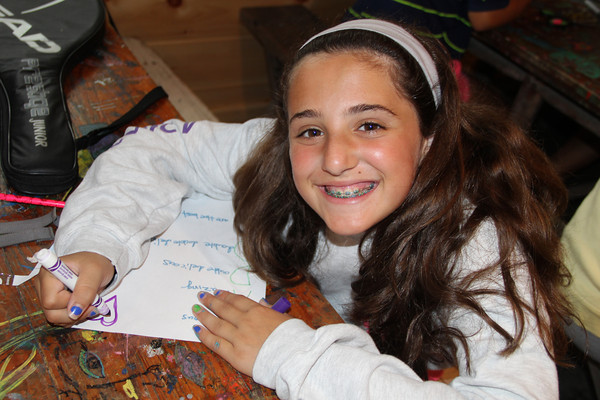
Summer camps have also tapped into the rising de-emphasis of the arts in public schools and embraced programs that encourage campers to explore their creative sides. In addition to traditional arts & crafts, many camps now provide campers with options in cooking, music, magic, and even circus arts. The generous availability of these programs attracts families who want their children to have the opportunity to explore their artistic sides.

In demonstrating a clear understanding of how campers benefit from attending camp, summer camps have been able to adapt by translating the voids created by advancements in society into meaningful and timeless activities.