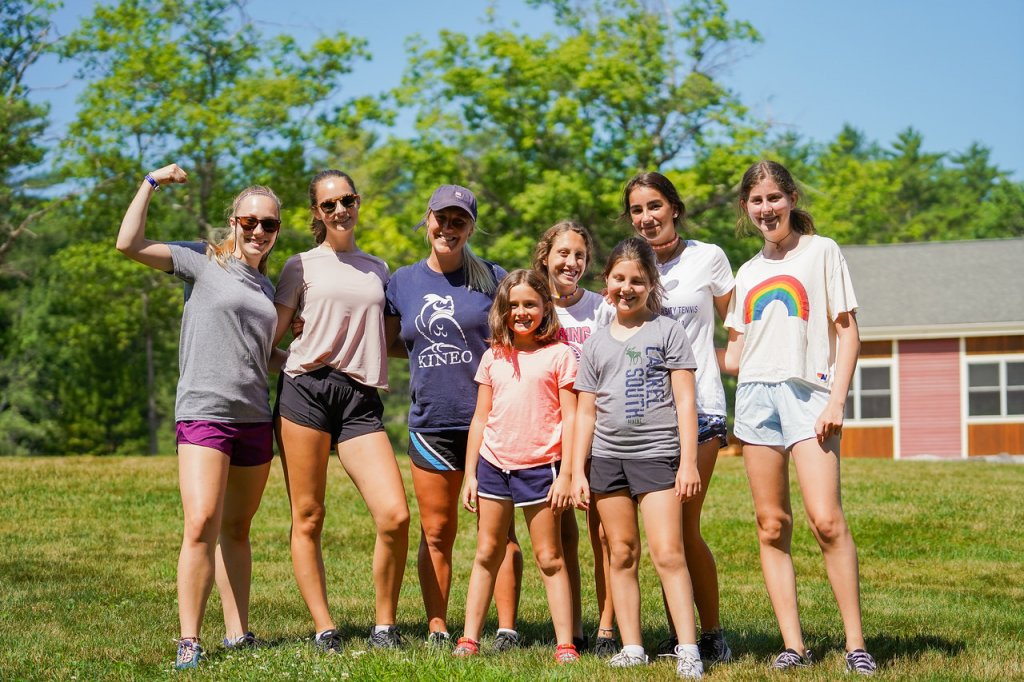
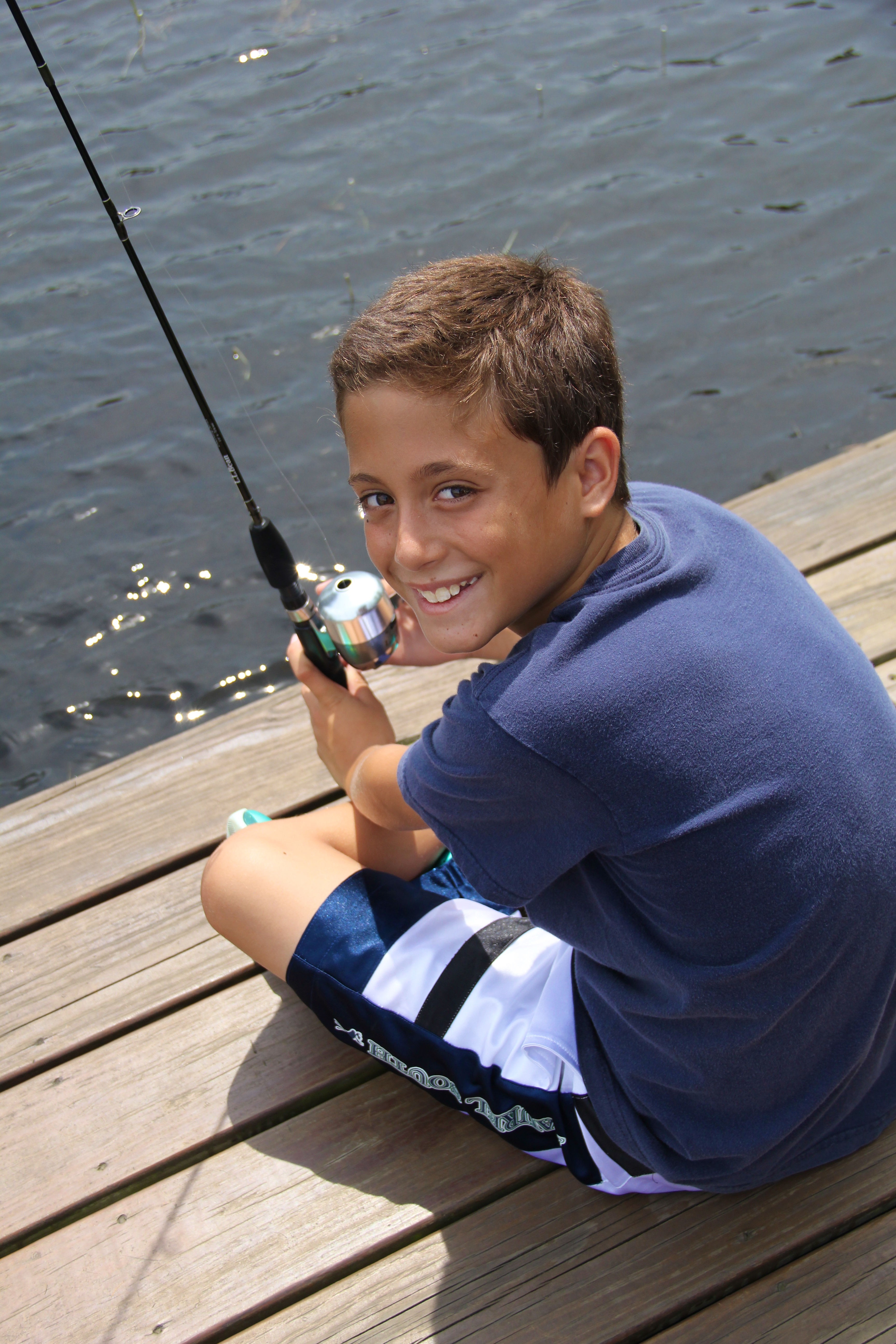
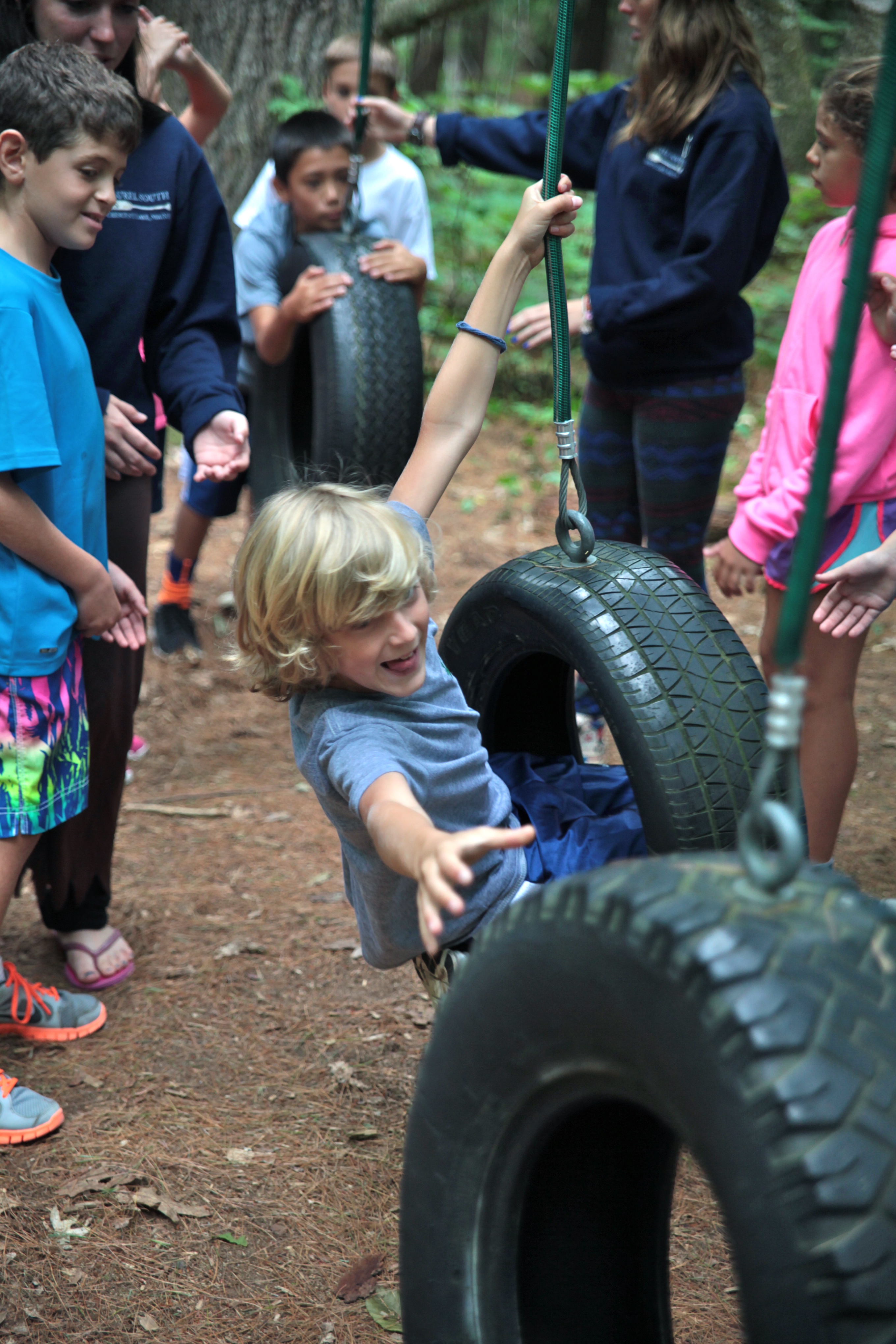
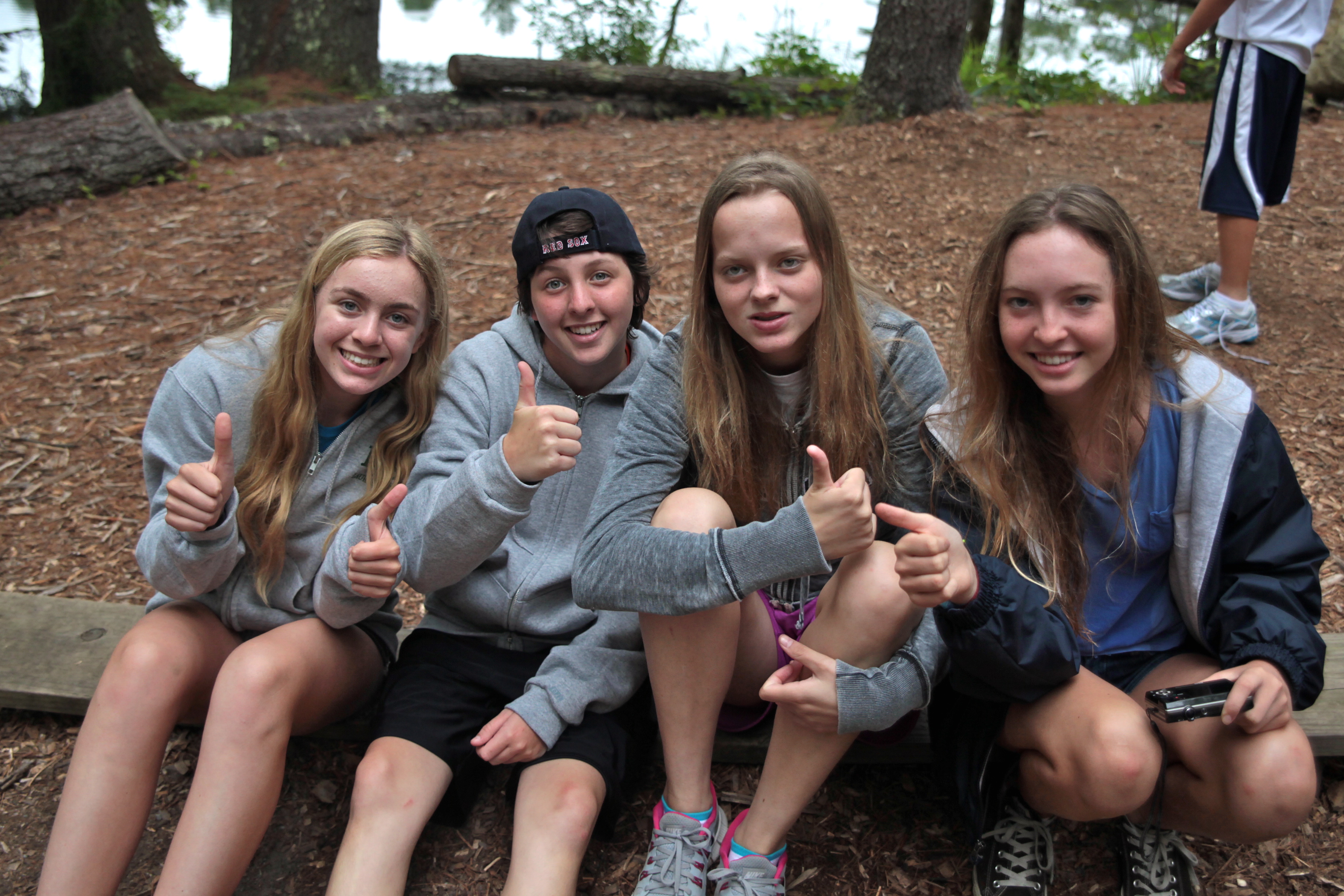
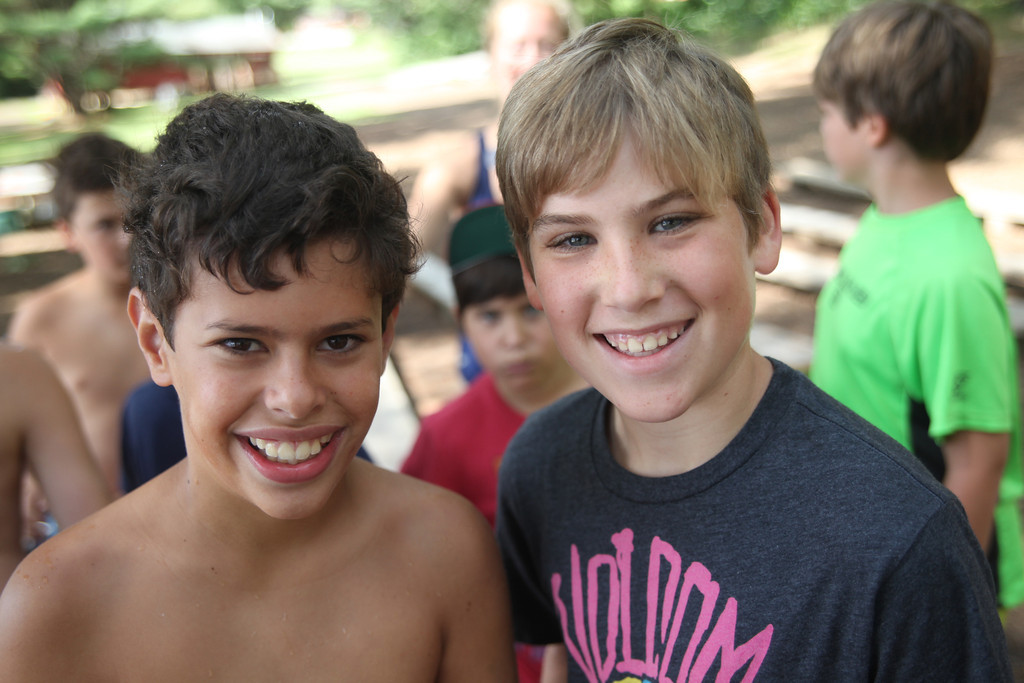
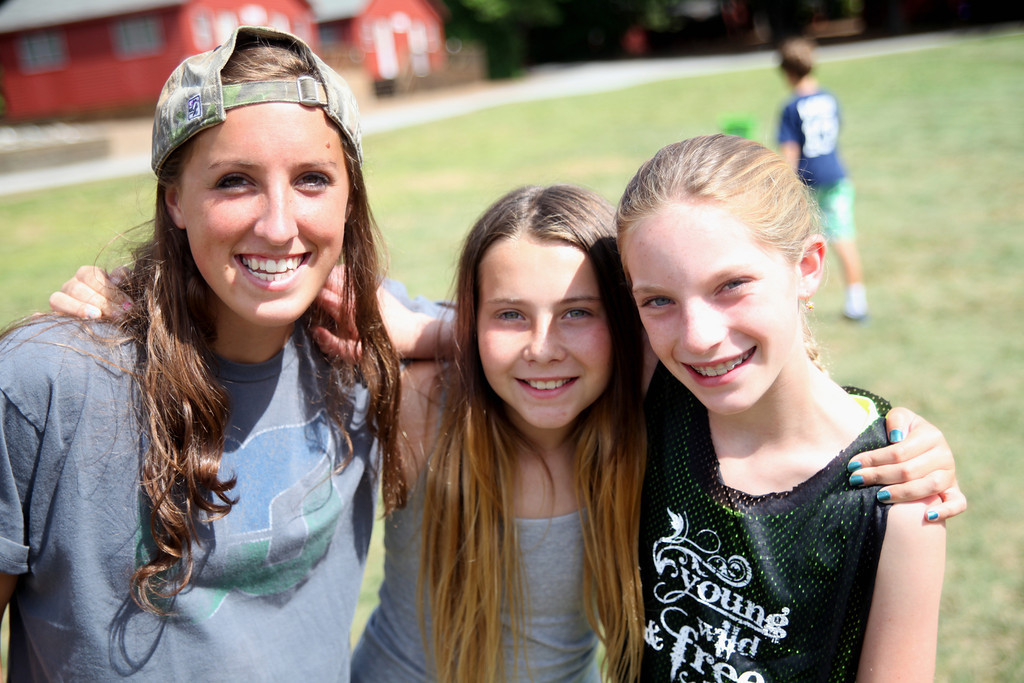
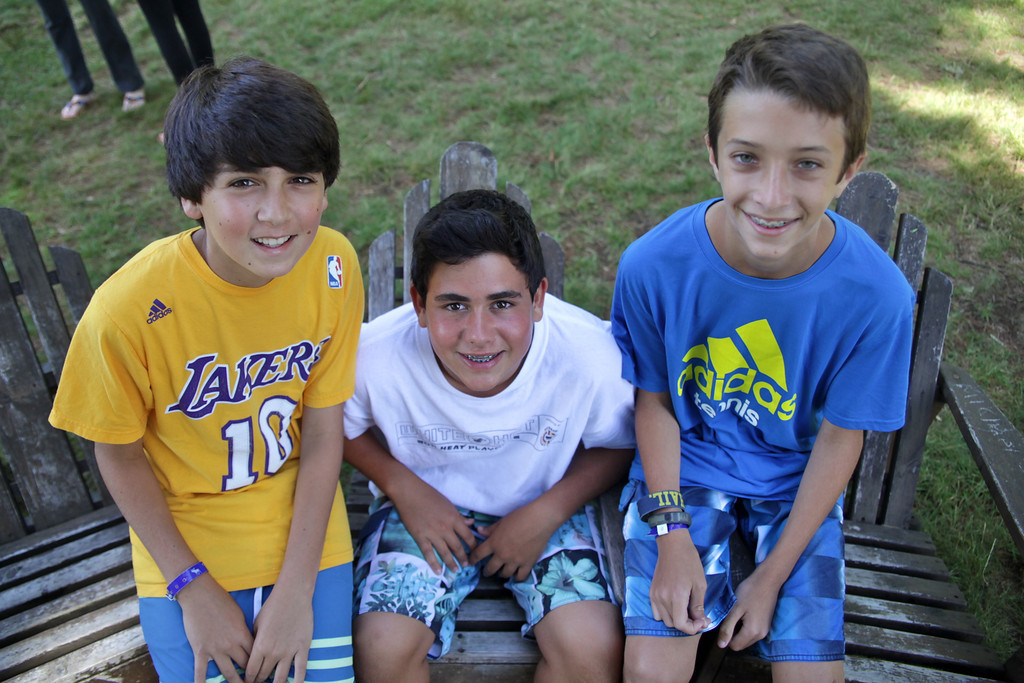
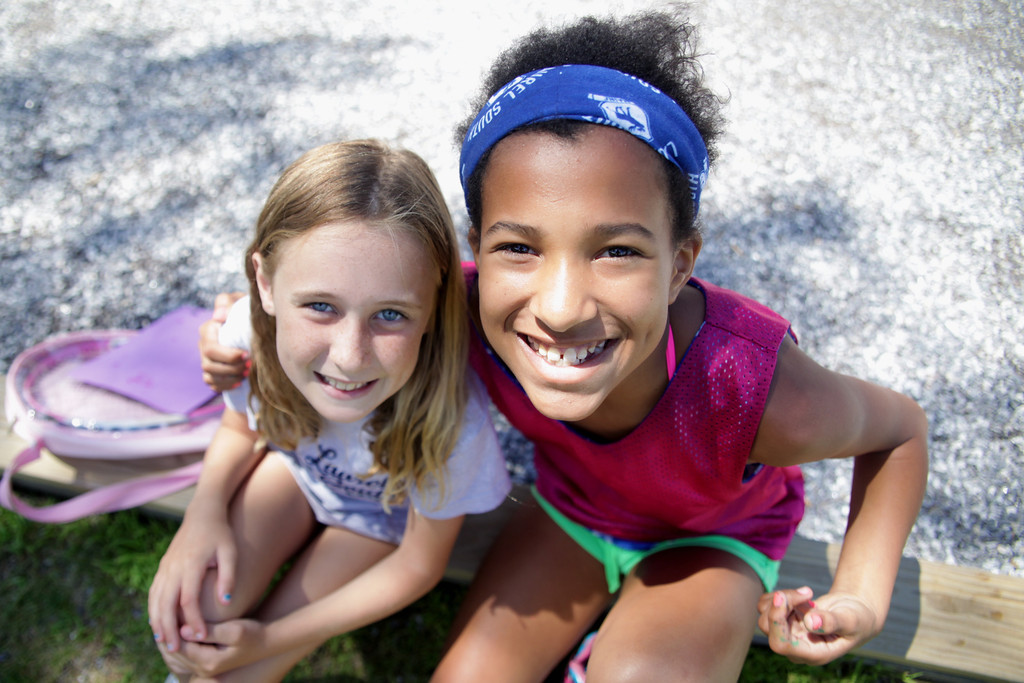
While it may seem as though we just arrived at camp, we certainly wasted no time getting right into the fun!
After Monday’s Arrival and Tuesday’s Moose Stomp Day, Wednesday was our first program day and everyone was thrilled. From the Ballfields to the Theater, Crescent Lake to the Culinary Center, Equestrian Center to the Arts Studio…the sounds of campers laughing, playing and cheering reminds us each day how lucky we are to be at this special place! We’ve had our 3-Year Club Party, started intercamp games, cast the plays and begun rehearsals, had combines and practices for Moose Bowl and Katahdin Cup…and that’s just the start.
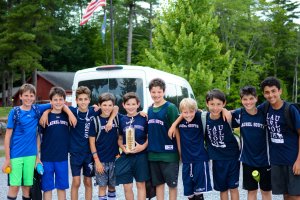
Our 6th Grade boys were the first to head out on an overnight camping trip. They arrived back at camp today with some awesome stories and memories! Tomorrow morning, our CIT’s will head to the Kennebec River for their White Water Rafting trip, while our 8th Graders are off to Acadia National Park and Bar Harbor! We miss them while they’re gone, but seeing their smiles when they return and hearing their fantastic stories make it all worthwhile!
As you can probably tell, the action is in full swing at Laurel South! We’ll keep you updated on all the goings on in Casco in future blogs. Until then, rest assured that it’s always a beautiful day in the state of Maine!!!
Laurel South is the ultimate place to let loose, be comfortable and be yourself. All summer long, campers are rocking face paint, transforming into super heroes, improving at their favorite sports and activities, and letting their imaginations run wild. Counselors let their inner child emerge, too. Everyone at camp feels safe: safe to use their imaginations and safe to be themselves.
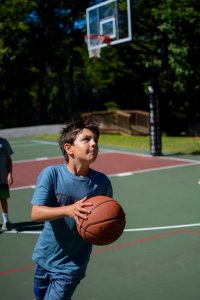
Laurel South encourages campers to be themselves in a variety of ways. Planned down time allows campers the opportunity to explore and socialize with friends in a way that is supervised, but not overly structured. Campers have a catch, shoot hoops, play ping pong, and explore their interests. During structured activities, children are supported when they speak their minds, share opinions and talk things through. They learn to listen and respect one another. This allows campers to see different sides of a situation. Every summer, campers grow socially and emotionally in a unique way.
Counselors capitalize on their strengths of being fun, relatable, silly and responsible. They take pride in being role models. They help set the tone all summer by calming themselves down when it’s time to be more serious, and campers learn to differentiate times to be silly and times to be focused.
Children are often expected to be focused and serious throughout the school year; at camp, they foster their childlike wonder more often. At camp, children feel safe to show off their relaxed and sometimes silly side.
Twelve summers ago, I heard about Laurel South through one of my college friends. I knew very little about summer camps and Maine. I remember looking at the website and thinking it would be a fun adventure before finding internships for future summers. Back then, very few websites had any videos at all, and I landed in Maine with few expectations.
Now, I tell new counselors how jealous I am that they’re about to experience Laurel South for the first time. It’s like the notes of a great song or opening an inspiring book. As soon as it’s over, you want to tell everyone about it. That’s how Laurel South is to me. But unlike a song that might get old, working at Laurel South is the same rewarding experience every summer.
Each fall, my family and friends that haven’t experienced the joy of Laurel South ask me why I keep going back. I always start with the traditions, activities and working outside in beautiful Maine. That’s what they can understand without truly experiencing it. They feel my enthusiasm for Laurel South. But, beyond the facilities, traditions and Crescent Lake, there’s one thing that stands above everything else: the community.
Laurel South is special because of the people. From the counselors to the health center to the office and support staff, Laurel South is filled with amazing people who are passionate about what they’re doing. Most importantly, everyone has the same goal of giving our campers the best summer possible.
I fondly remember my summers at camp: living in a cabin with 10 other boys and my counselors, playing sports for sunset to sundown, Intercamp games, Spirit Days, the list goes on. And while I remember those amazing summers like they were yesterday, they were almost 40 years ago! While I enjoyed camp in my time, kids today benefit from the experience more than ever.
Today’s world has become far more competitive when it comes to youth sports. In many cases, the chance to play many sports throughout the year is replaced by the need to focus on one sport. Children no longer play little league baseball until it’s soccer season until it’s basketball season. It seems that, at eight years old, children pick a sport to concentrate on and hope you are good enough to make the neighborhood traveling team. That’s a lot of pressure at a young age.
At Laurel South, children play every sport they want. Newcomers to a sport can learn the rules and fundamentals while experienced campers focus on improving skills. Everyone is met at their respective levels by talented coaches who share their passion of the game. Campers can be part of the team, get ample playing time and learn to love the game.
Children today are overly reliant on technology. Time playing outside with friends has been replaced with screen-time. Often times TV, computers and cell phones replace meaningful play time with others. Camp affords children the opportunity to unplug for the summer, enjoying interaction with their peers and counselors.
Campers also gain a new sense of independence and responsibility at camp. They help keep their cabin and area clean during the summer. They learn to make their bed, put away their clothes and work with their friends to keep the whole cabin clean. They learn to communicate with each to problem-solve. Many parents notice their children come home from camp more confident and independent.
All in all, camp allows children to take a deep breath, relax, have fun, grow as a person, foster friendships and create a treasure trove of memories that will last a lifetime!
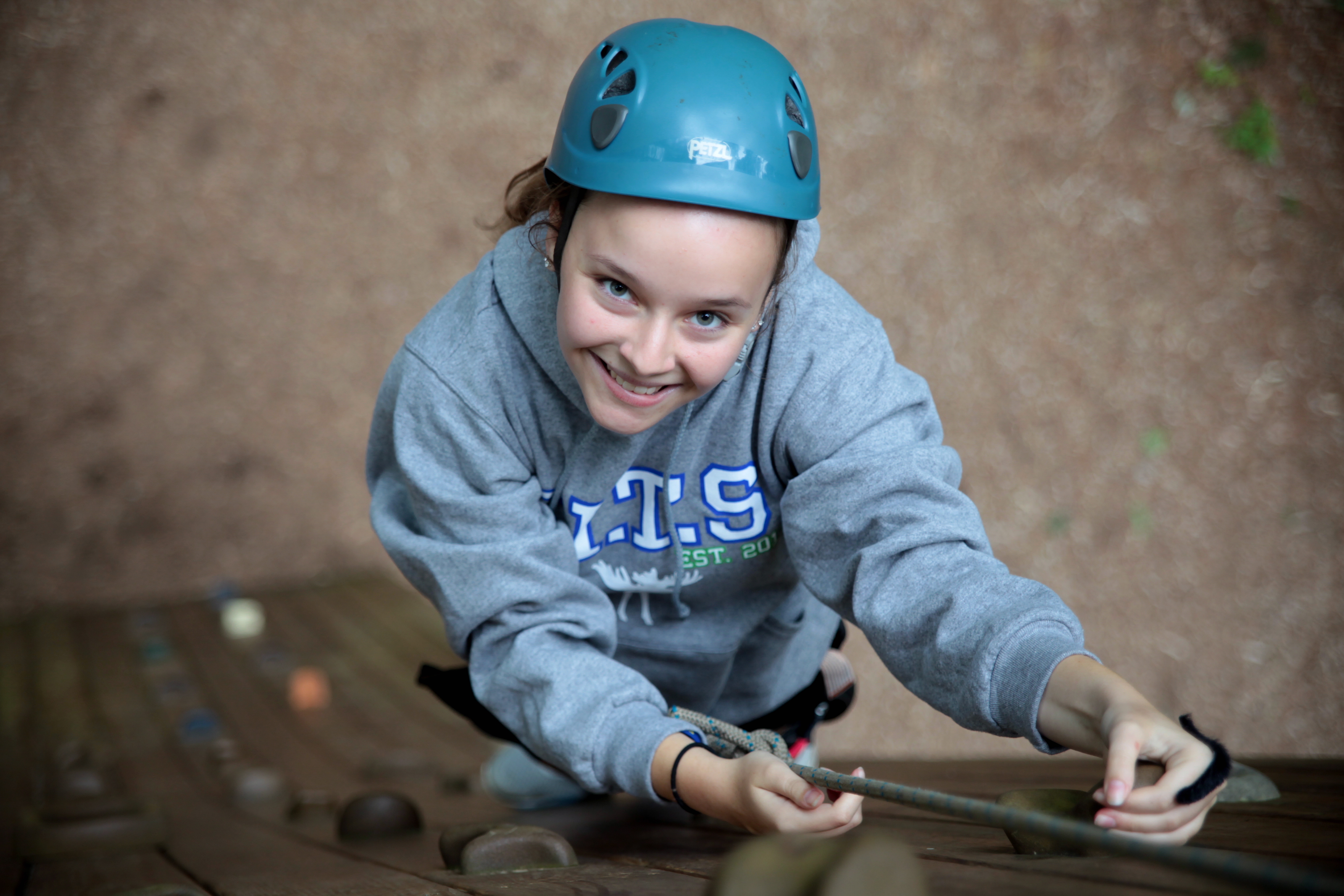
The outdoors and adventure are both synonymous with camp, so it’s no wonder that some of the most popular activities at camp involve outdoor adventure. Summer camp outdoor adventure programs of today have transcended the traditional nature walk (although those still occasionally happen). Outdoor adventure at camp truly incorporates “adventure” into the activities. Campers have the opportunity to scale 50 foot walls or fly over camp on a zip line. They maneuver their way across high and low ropes courses. Using GPS trackers, they locate objects hidden throughout camp. On sunny days, they hike through the woods while enjoying waterfalls, mountain views and absorbing the scents of leaves, trees, and grass. They learn valuable outdoor living skills.
Adventure is defined as an “exciting or unusual activity.” Certainly, for most campers, there is very little that is mundane about standing at the top of a 25 foot platform preparing to take a leap of faith. For that matter, even the traditional hike through the woods is less than ordinary for the majority of children today. Campers frequently report feeling “refreshed” or “invigorated” following outdoor adventure activities. A study conducted by the Children & Nature Network suggests those aren’t just adjectives.
Children who spend time in close proximity to the outdoors tend to feel more energetic than children who spend large amounts of time indoors. They’re also less stressed and anxious. That’s because fresh air literally has a calming effect. Another study conducted by The National Recreation and Park Association concluded that, simply put, our brains need oxygen. Oxygen promotes a healthy psychology as well as helps children relax and even improves their immune systems. There is also data to suggest that exposure to the outdoors has a positive effect on attention deficit and hyperactivity disorders. The study concurs with that conducted by the Children & Nature Network; there is a reason parks were built in urban areas to promote good health. They do just that.
Outdoor adventure activities at summer camp provide campers with the opportunity to immerse themselves in the outdoors through exciting mediums that aren’t available to them at home. Although climbing walls and even zip lines are being constructed by many suburban recreational centers, a good number of them are indoors. Engaging in adventurous activities outdoors reaches beyond mental and physical health benefits. It helps campers develop an appreciation for the natural environment and a distinct awareness of what separates artificial environments from nature. Sure, several outdoor adventure activities can be recreated indoors, but the sights, sounds, and smells that campers learn to associate with them cannot.
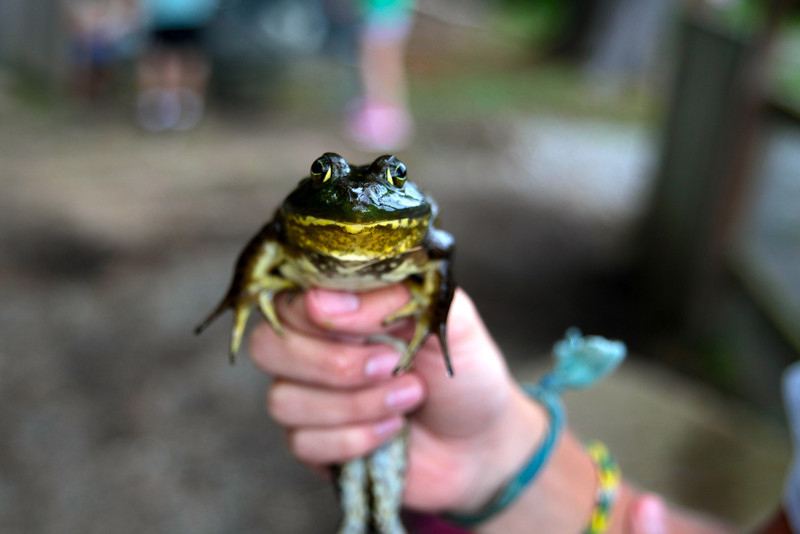
Experts unanimously agree that there are benefits to pet ownership for children. In addition to teaching them responsibility, pets also entertain children, keep them active, alleviate stress and teach them about life. For some families, however, busy lifestyles make pet ownership impractical and even unrealistic. Enter another little known benefit of summer camp: summer pets. Many camp nature, exploration, and eco-science programs include an animal or two. Some camps even have extensive equestrian programs with camp-owned or leased horses and ponies. Because of allergies, camps tend to shy away from common household pets such as cats and dogs. Rather, animals with naturally reserved demeanors that are easy to handle like reptiles, rabbits, turtles and guinea pigs are preferable when it comes to camp pets. As a result, even campers who have pets at home get the opportunity to handle, care for and observe – to their comfort level – animals they may not frequently encounter. Those campers who do not have pets at home get to experience the joy of pet ownership and all of the benefits of it while those campers who do have pets at home tend to miss them less when their camp has animals. Camp pets sometimes double as mascots and campers come to view them as part of their camp. Best of all, everyone at summer camp, regardless of whether they have pets at home or not, has the opportunity to have a pet for at least a few weeks each year.
Do you ever find yourself wishing your children would put their phones away for one day? If so, then consider an opportunity for them to put their phones (and all other forms of media) away for several weeks. One of the primary goals of summer camp is to encourage children to be active while interacting with each other and the environment. In order to facilitate this, most camps have strict restrictions regarding the use of technology. Neither campers nor staff are permitted to have phones, laptops, television, video games, or anything capable of accessing the web. If you think you can hear your children groaning already, think again. Most campers actually report that they enjoy the media break camp provides.
With conditions such as social media anxiety and Facebook fatigue on the rise, it’s no wonder that campers value a break. Not only is it a nice reminder that there is more to life than Twitter or Instagram, time spent with friends at camp reiterates the value of interpersonal communication. Body language speaks volumes. LOL is never quite the same as the sound of a friend’s laughter, and ROFL never has quite the same effect as actually seeing someone so doubled over with laughter that they’re rolling on the floor. The former are strictly exchanges. The latter are experiences, and it’s experience that makes memories. Virtually no one ever mentions that time that “so and so” texted “such and such.” But they do recall that time by the Waterfront…or in the bunk or cabin or…in the Dining Hall, for several years after it happens. Those are the types of memories over which campers exchange fond tears on the last night of their last summer at camp and, in many instances, the post camp reunions to come.
Seeing and hearing real time reactions also keeps children in touch with acceptable behavior when it comes to communication. By seeing firsthand how people respond to them, children are able to gauge when they’ve gone to extremes that may be hurtful to others. Likewise, they are also able to take note of those conversational approaches that receive positive responses from camp friends as well as those that even help them make new friends. In other words, campers don’t miss their social media because it is replaced with time with each other. Children are less likely to bully each other or express thoughts or ideas they may later regret. In short, people are a much better deterrent to unacceptable behavior than a monitor or phone screen. There is much more immediacy and accountability.
The media break that camp provides helps children put social media into perspective as well. They come to understand that social media is just an interim form of communication rather than the exclusive form. Yes, it’s a fun way to keep in touch with friends, including those camp friends who live far distances and are rarely seen away from camp, but it’s also not the sum total of life. Rather, it’s a fun tool for engaging with others when it’s not possible to see them in person, and its importance should not be overvalued.
Most importantly, what children learn during their media break at camp is that they can live without it. Not only is it possible to live without it, life can be enjoyable while doing so. Chances are, those who have been to summer camp think twice before declaring that they could never live without their phone or other media devices, because they know otherwise. And they also know that sometimes the fun of communication is the creativity with which they must go about it in interpersonal situations.