Friendship Bracelets: A Storyboard of Summer

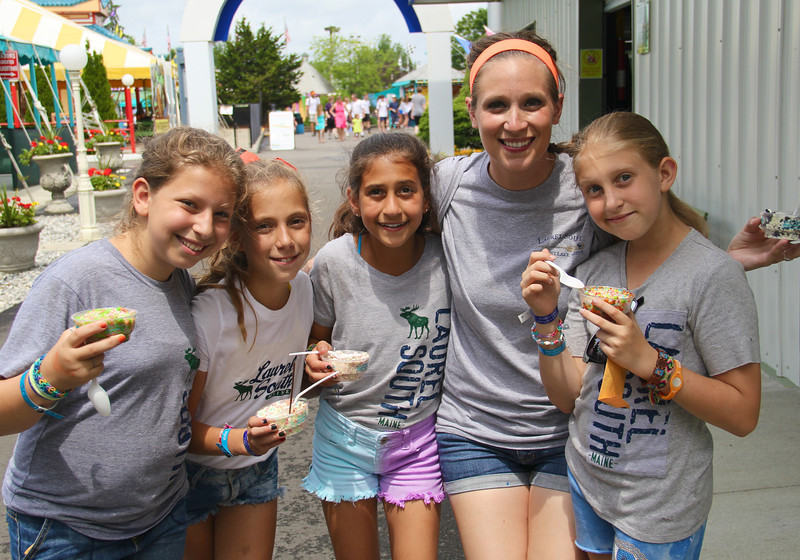
img_0004A chuckle-worthy camp confession recently spotted on Pinterest: “My wrists did not see sunlight all summer because of the bracelets.” Anyone who has ever attended or worked at a sleepaway camp is all too familiar with the “bracelet tan.” Of the thousands of camps across America, there is not an Arts & Crafts area that is not well stocked with beads, lanyard, skeins of embroidery floss, paracord, rubber bands and just about anything else that can be turned into a bracelet. Bracelets are BIG at camp. They’re not merely wearable art. They’re a symbol of friendship. Few campers or staff actually keep the bracelets they make for themselves. Instead they exchange them with friends and other special people at camp. Although people have been making friendship bracelets since ancient times, they have become a camp tradition. It’s fun to conjure memories of a special person with a glance at one’s wrist.

The act of making the bracelets is almost as pleasurable as the bracelets themselves. Friendship bracelets are also easy to make, and campers of all ages easily catch onto the various ways of braiding and weaving materials into fashionable designs. Friendship bracelets also appeal equally to both boys and girls. The fact that making bracelets takes very little concentration makes them the perfect social craft. It’s easy to interact with others while making bracelets at camp. Bracelet making is the perfect conversation opportunity and bonding activity.

The row of bracelets is not just camp fashion, it’s a storyboard of the summer that is unique toimg_0473 every individual at camp. It represents who they met during the summer and the special moments that have been committed to memory. One the best things about friendship bracelets is finding them tucked away long after the summer has ended, and having a moment to remember the summer and the people and stories behind each bracelet.
How to Have Fun at Summer Camp

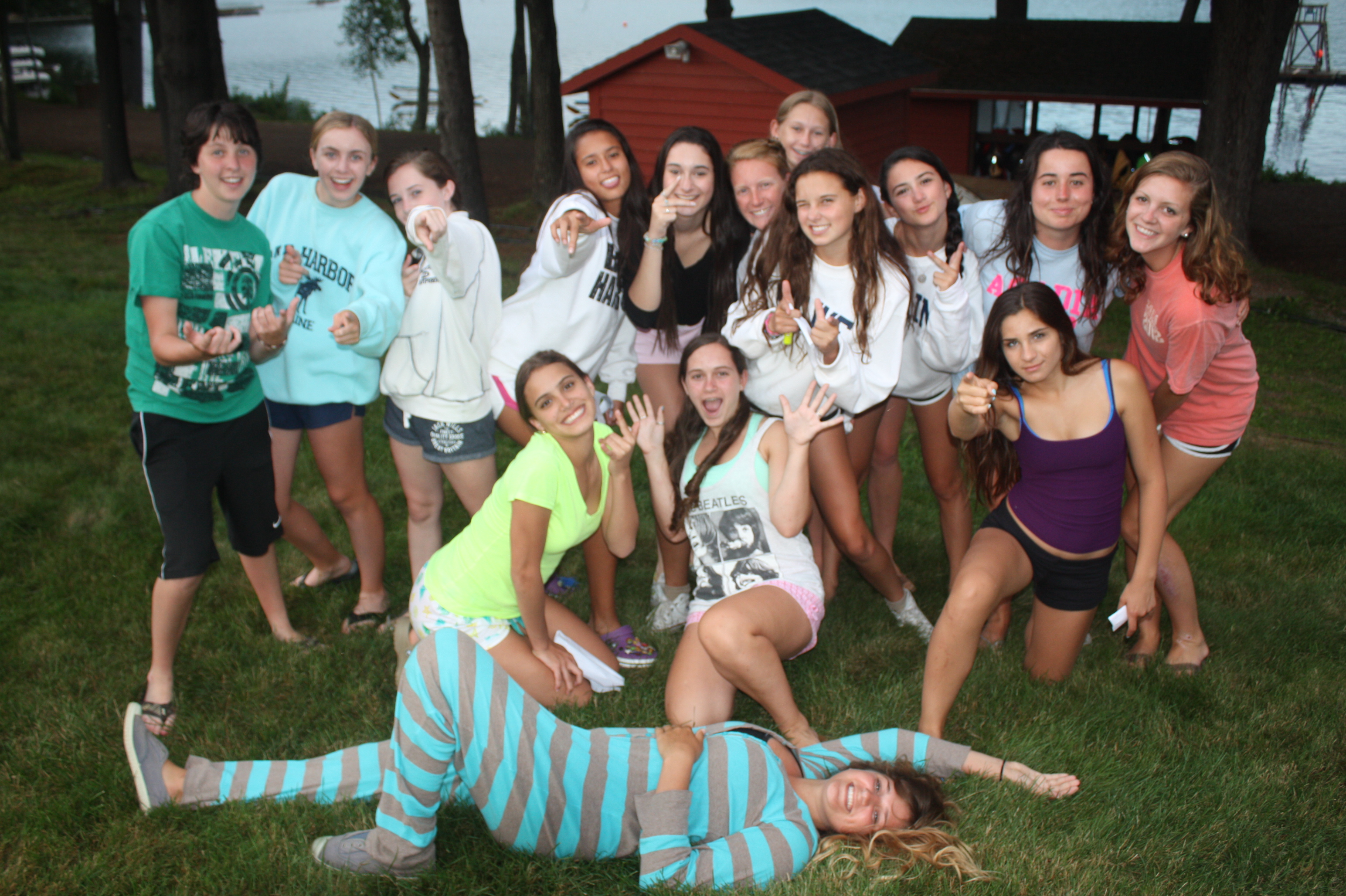
Campers: June is finally here and you’re about to head off to camp for the summer. Whether this is your first summer or your seventh, it’s completely normal to be a whole lot excited and even a little bit nervous. This just HAS to be the best summer EVER…as in epic! But do you ever find yourself a little bit confused about how to make that happen? Here are a few ideas to help you out as you get ready for camp.

 Make new friends

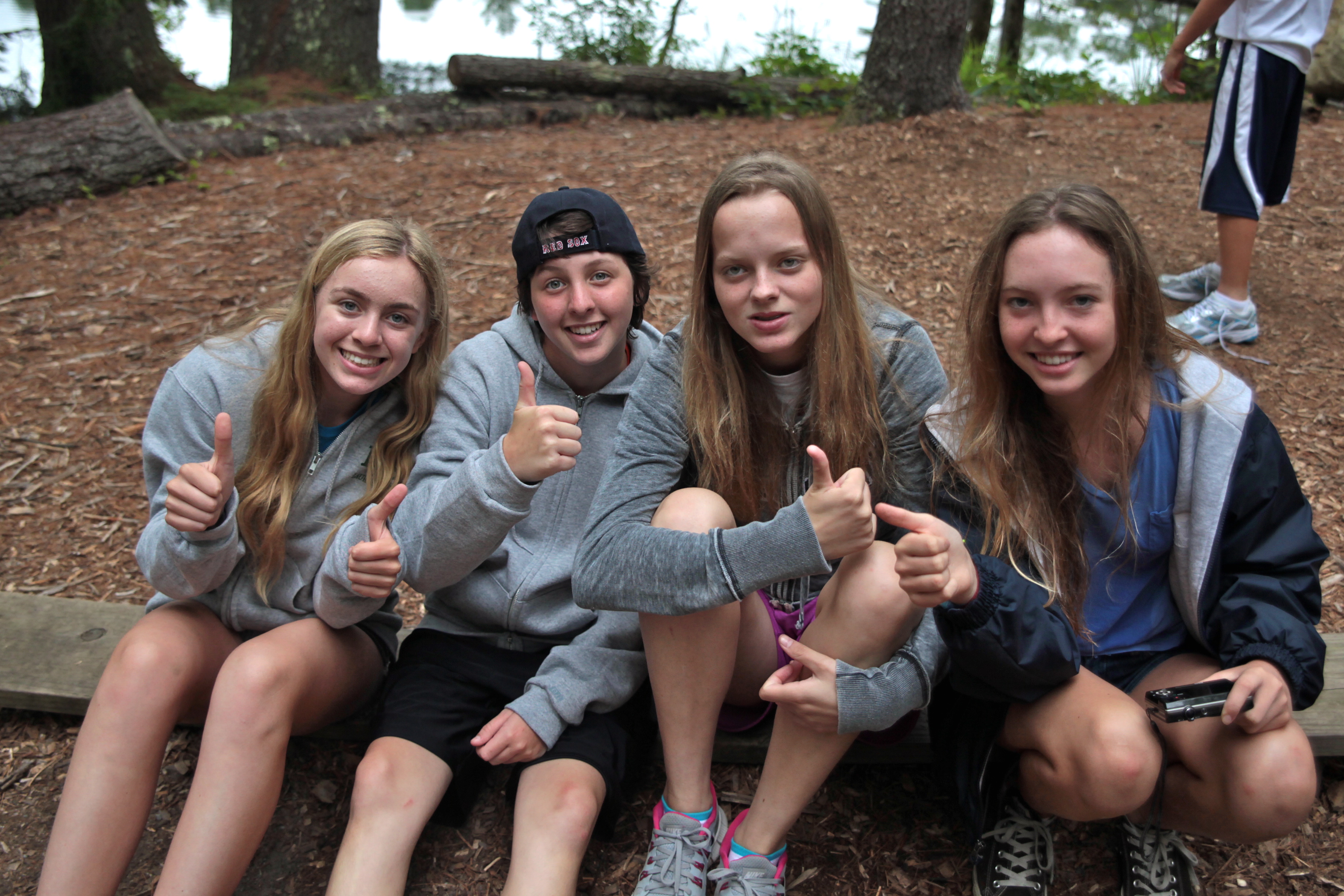
Of course your old friends are amazing. That’s why they’re your friends. But new friends are pretty great too. Make it a point to say ‘hello’ to people and introduce yourself to those you don’t know. Talk to other campers to find out what you have in common besides camp. Show support for other campers at activities.

 Get involved in camp activities

There are so many awesome things to do at camp. Take advantage of the opportunity to get involved in them. Don’t just rely on favorites for your summer fun. Try some new things too. You’ll find that if you go to each activity—even those you don’t love—with a positive attitude and get involved, camp is even more fun.

 Show your camp spirit

Camps rely on their campers to create a fun, energetic environment by showing their camp spirit. There’s a reason you count down the months and days each year until it’s time for camp and why YOUR camp is the BEST camp. Don’t be shy about showing it at camp.

 Be your best self

Camp is the most fun for everyone when campers are positive, energetic, open and inclusive. There’s no need to make it like school where only certain types of people hang around together. If someone in your bunk or at your activity is shy, go out of your way to include them and take a leadership role in introducing them to others. If your friends try to say negative things about other people, change the subject or reply with a positive. Encourage others at activities, particularly those who struggle or who fear being made fun of. The more fun that everyone has together, the better camp is!

 Keep an open mind

Sometimes, things at summer camp don’t go quite how you expected. Think before you react. Don’t let one bad activity, conversation or even day ruin your whole summer. Remember, it’s just one thing out of thousands that happen over the summer. Rather than dwelling on that one thing, shake it off and move on. If you do, you probably won’t even remember it by the end of the summer.

Camp Trips

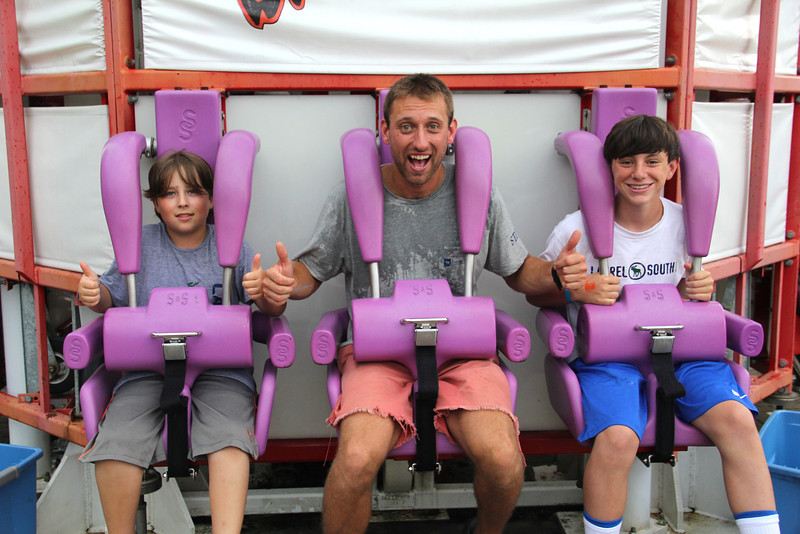
Campers love their camps.  They’re green, picturesque and they often feature facilities for just about any activity a kid can dream up. One thing campers also love, however, are camp trips. Camp trips are a lot like school field trips — only better.  Way better!  They’re a special time away from the daily routine. Campers get to board buses with their friends and go off on an adventure outside of the camp environment. Yes, playing by the camp waterfront with friends is a great way to spend a summer. But taking in a baseball game, visiting a local amusement park, or going bowling with them adds an extra element to the camp experience because it allows campers to do normal “friend things” with some very close friends who they often only get to see during the summer.

Rites of passage are a big part of camp and trips are among those rites. While all campers enjoy some of the same trip destinations throughout the summer, other places are reserved for campers of certain ages. In this respect, trips become a way for campers to mark time in their camp experience. An exclusive trip makes that specific summer unique because it’s the only summer a camper may go to a specific place.

Camp trips also help campers put their summer camp experience into perspective. Sure, they could do just about anything they do on a camp trip without having gone to camp, but doing them at camp makes them part of camp. And makes them very special.  And very fun! The memory of having done those things at camp makes these excursions even more special, which is likely why there is always a tinge of  excitement in the air on trip day.

Adventure Abound

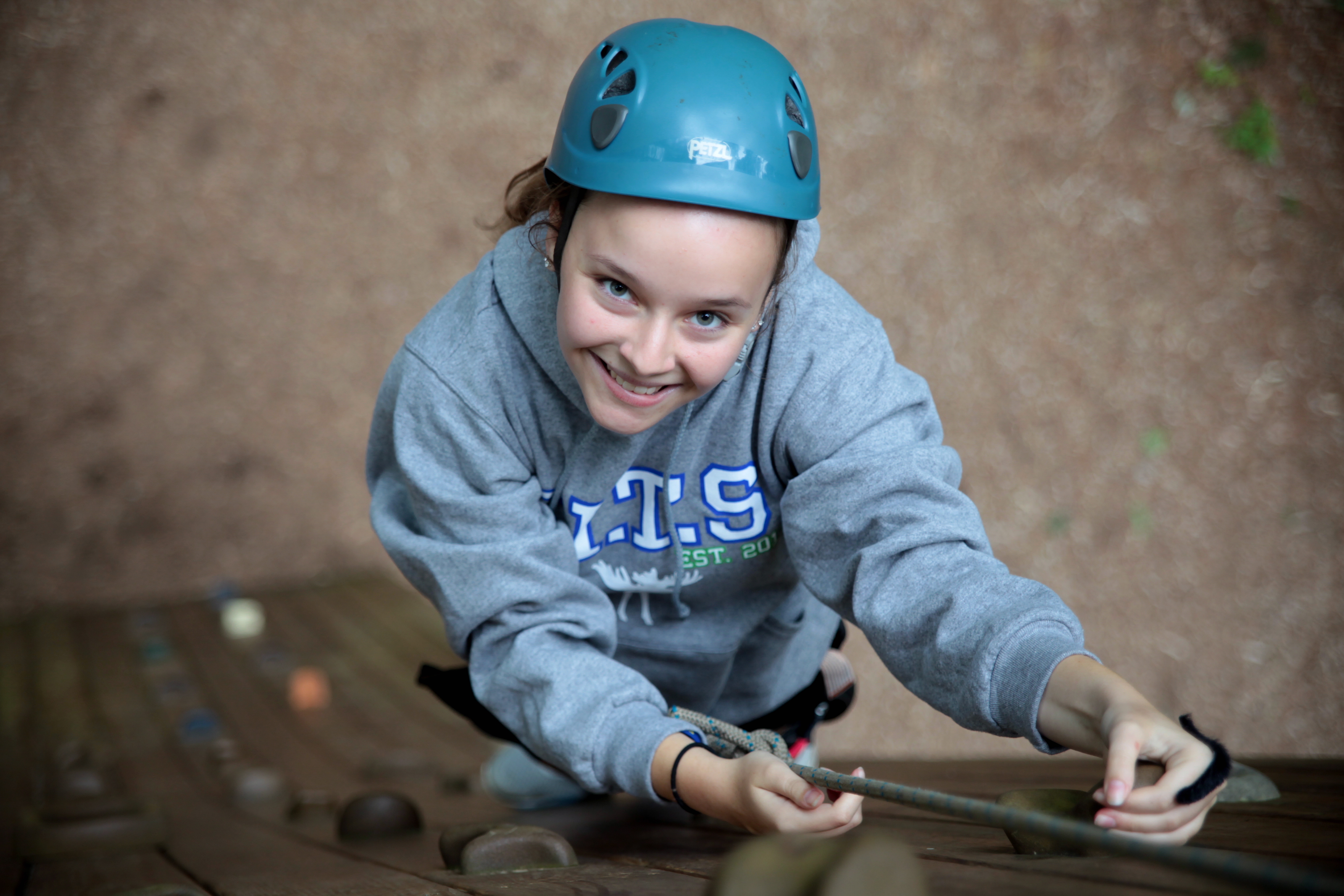
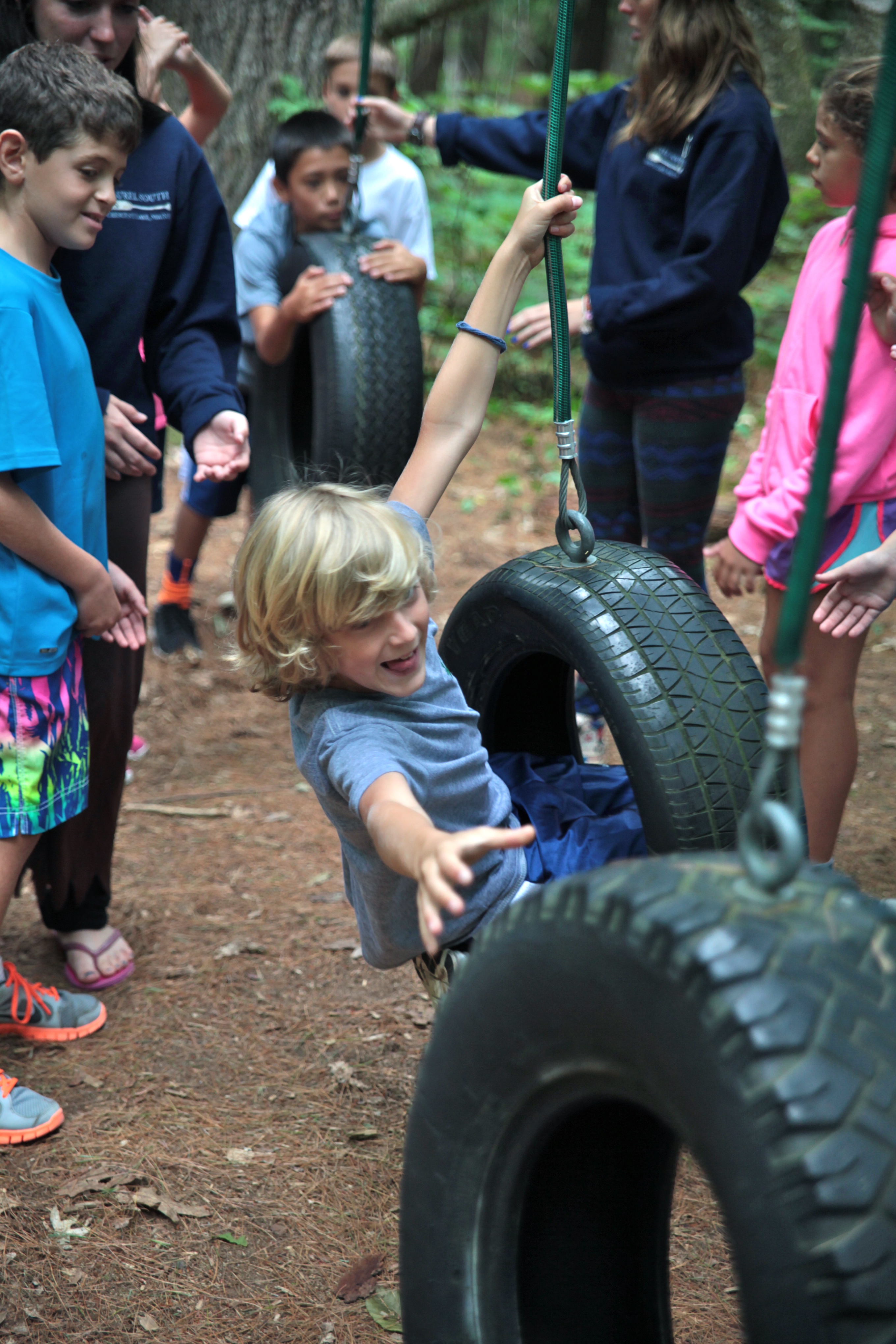
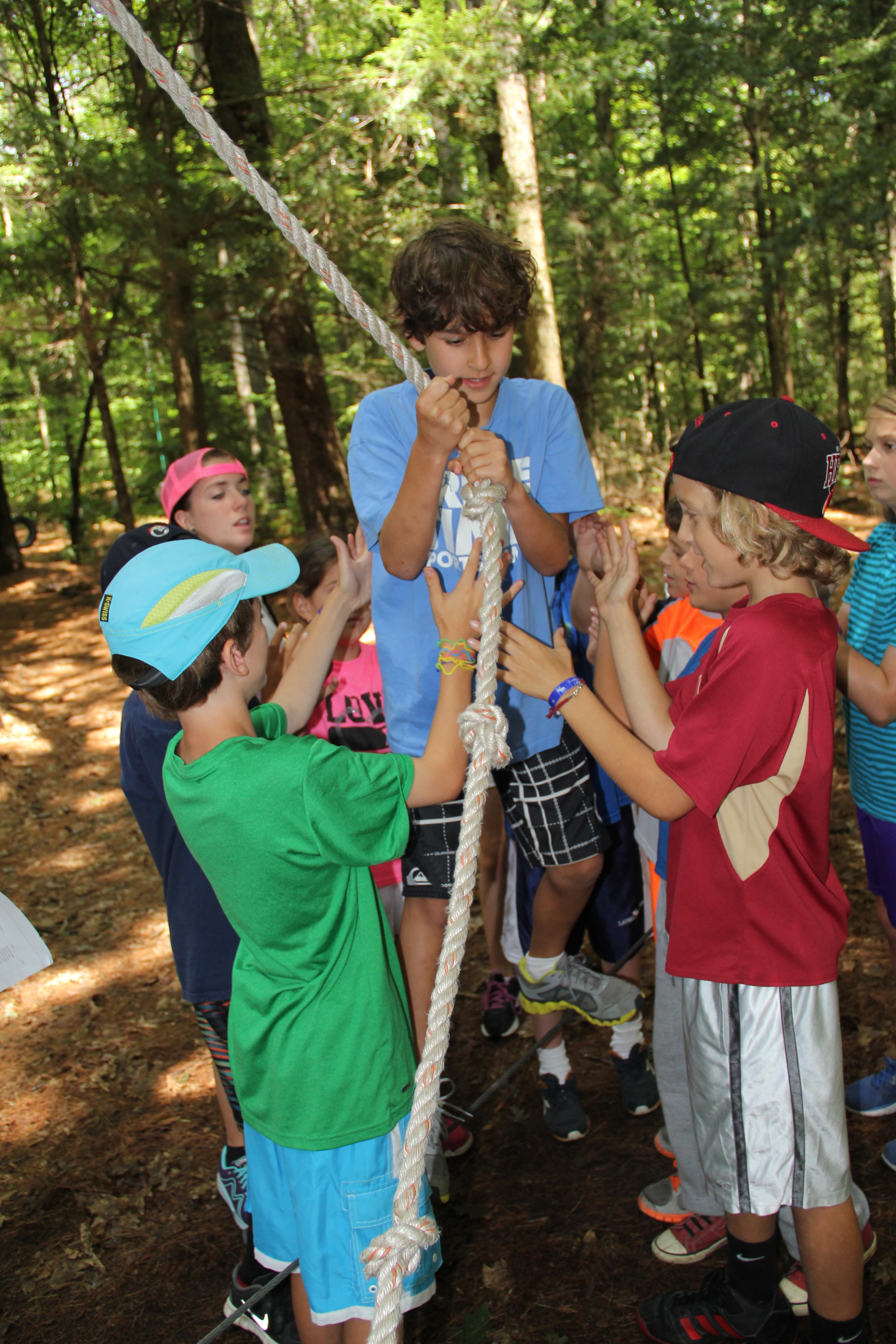
The outdoors and adventure are both synonymous with camp, so it’s no wonder that some of the most popular activities at camp involve outdoor adventure. Summer camp outdoor adventure programs of today have transcended the traditional nature walk (although those still occasionally happen). Outdoor adventure at camp truly incorporates “adventure” into the activities. Campers have the opportunity to scale 50 foot walls or fly over camp on a zip line. They maneuver their way across high and low ropes courses. Using GPS trackers, they locate objects hidden throughout camp. On sunny days, they hike through the woods while enjoying waterfalls, mountain views and absorbing the scents of leaves, trees, and grass. They learn valuable outdoor living skills.

Adventure is defined as an “exciting or unusual activity.” Certainly, for most campers, there is very little that is mundane about standing at the top of a 25 foot platform preparing to take a leap of faith. For that matter, even the traditional hike through the woods is less than ordinary for the majority of children today. Campers frequently report feeling “refreshed” or “invigorated” following outdoor adventure activities. A study conducted by the Children & Nature Network suggests those aren’t just adjectives.

Children who spend time in close proximity to the outdoors tend to feel more energetic than children who spend large amounts of time indoors. They’re also less stressed and anxious. That’s because fresh air literally has a calming effect. Another study conducted by The National Recreation and Park Association concluded that, simply put, our brains need oxygen. Oxygen promotes a healthy psychology as well as helps children relax and even improves their immune systems. There is also data to suggest that exposure to the outdoors has a positive effect on attention deficit and hyperactivity disorders. The study concurs with that conducted by the Children & Nature Network; there is a reason parks were built in urban areas to promote good health. They do just that.

Outdoor adventure activities at summer camp provide campers with the opportunity to immerse themselves in the outdoors through exciting mediums that aren’t available to them at home. Although climbing walls and even zip lines are being constructed by many suburban recreational centers, a good number of them are indoors. Engaging in adventurous activities outdoors reaches beyond mental and physical health benefits. It helps campers develop an appreciation for the natural environment and a distinct awareness of what separates artificial environments from nature. Sure, several outdoor adventure activities can be recreated indoors, but the sights, sounds, and smells that campers learn to associate with them cannot.

Not Your Mom and Dad’s Arts and Crafts

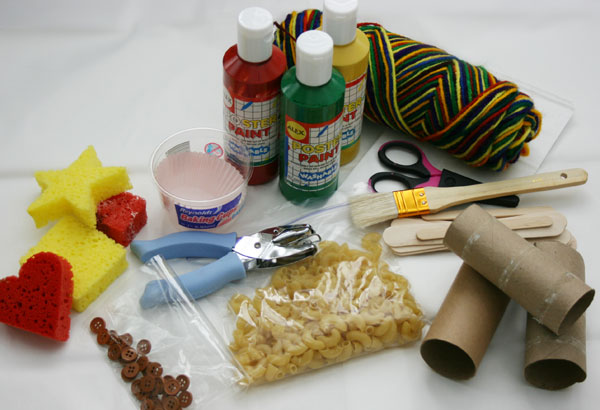
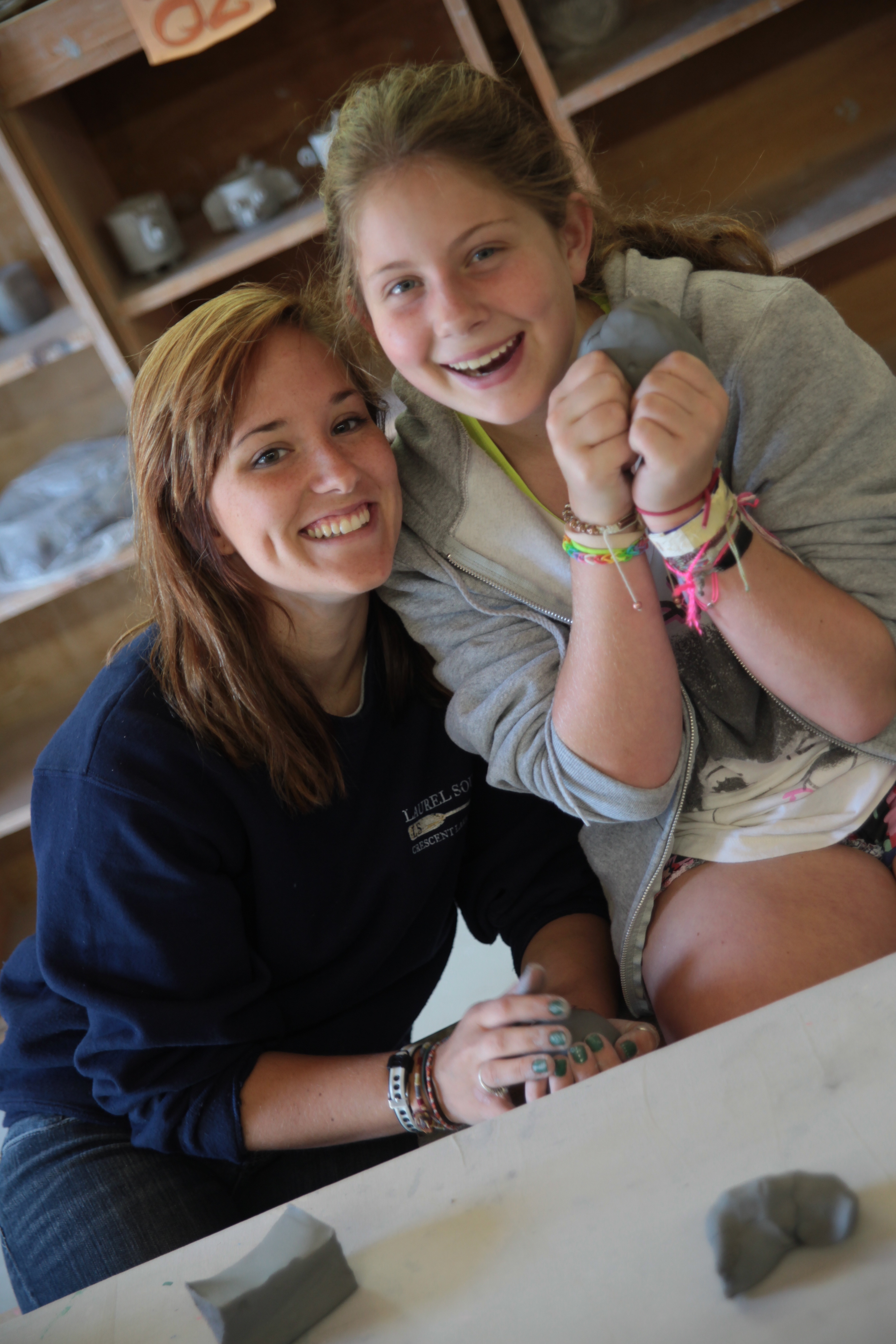
Summer camp arts and crafts programs often conjure images of beading lanyards and tie dying. Indeed, crafts are still a large part of camp, but art is becoming equally as important. That is to say that camps are investing more in open ended mediums that encourage campers to use their creativity to create works of their volition as opposed to pre-determined projects of summer camps past.

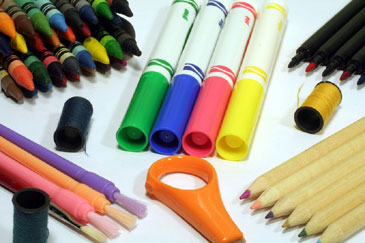
The difference between art and crafts may not be immediately clear to those who envision a room at summer camp that houses a seemingly unlimited supply of paintbrushes, glitter, paint, markers, glue, construction paper, and beads.  There is a marked difference, however. A recent article featured in Early Childhood News, M.A. and creative arts instructor Anna Reyer outlines the distinctions between art and crafts. Primarily art is open ended creations that evolve from a variety of supplies and minimal guidance. Crafts are pre-scripted projects assembled using specific supplies and guidelines with a finished product that is the same or similar for everyone.  There is something to be said for both the “arts” and the “crafts” of arts and crafts.

Crafts are fun, and many a camper sings the praises of the relaxation and satisfaction derived from a few minutes of down time in which they are given a set of materials and a set of instructions and are left to their own devices. It is an opportunity to be social and engage in casual conversation with other campers and counselors. There is also a sense of satisfaction with the end product, a three-dimensional completed object that the camper created from a group of raw materials.

Then there is art, the benefits of which are becoming increasingly obvious to camp owners and directors. Art projects provide campers with a period of time during the day in which very little, if anything, has been planned for them. It is their time to create as they choose. Whether it is painting or creating a piece of jewelry, it is a sanctioned part of the day that is limited only by their imaginations. Camp in general is a creative space. Through art, it is also an imaginative space. It’s a space in which children are free to unwind and mentally process their feelings. Art is the perfect opportunity for campers to recharge and turn around a day that has been less than perfect.  In that regard, similar things could be said about camp music, theater, and dance programs.

With the importance placed on creativity, fun, and happiness at summer camp, it is natural that summer camps invest big in arts and crafts programs. A memorable summer is more than just the glory of scoring a winning goal or swimming in the lake. Those times in which campers are left to their creative devices and are free to interact or not interact as they please provide crucial balance to the rest of the summer camp experience.

Yes, You Can

“No” is a word that children hear a lot. No talking in the classroom. No running in the hallways. No playing ball in the house. No to anything that gets clothes dirty. No. No. No. With this in mind, it’s no wonder that “yes” is one of the many reasons that children so eagerly anticipate camp each summer. Of course safety is always a factor, and children also have parameters at camp for that reason. However, those parameters extend much further at summer camp than they do at home and school. At summer camp, campers are encouraged to climb walls, zip down ropes, run, get dirty and play ball. Even when they express doubt in themselves, they are encouraged with, “Yes, you can.” There is no pressure to be the best at something or to even be good at it, simply to try it. With such encouragement, many campers venture into previously unexplored territory and discover that they can, in fact, do things they previously thought they couldn’t.

The benefits of such encouragement extend beyond the development of courage to try new things. Children become more open to possibilities. They develop the skills to venture out of their comfort zone and examine situations from different angles. A refined sense of creativity helps them attack tasks that previously seemed difficult or even impossible. They learn to comprehend the importance of trying, particularly when the time and place is right. With such perspective, “no” and “yes” become words less associated with ability and more associated with restraint. If they’re talking in the classroom, they can’t understand what the teacher is saying. School is not an environment that makes running in the hallways safe. Things tend to break when they play ball in the house. The clothes they wear when they’re not at camp are just a little nicer than the ones they tend to wear at camp. In contrast, camp is a safe environment for them to talk, laugh, run, play, climb and get messy in ways that are productive. In short, it’s an environment with less restraint in mind. Once children are able to understand the symbiotic relationship between “yes” and “no,” they are better able to accept “no” for what it actually means: It’s not in your best interest.

Camp Pets

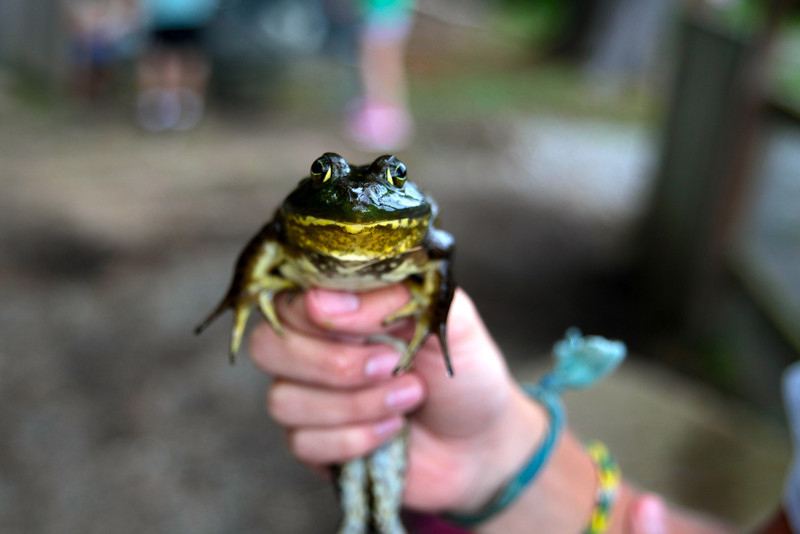
Experts unanimously agree that there are benefits to pet ownership for children. In addition to teaching them responsibility, pets also entertain children, keep them active, alleviate stress and teach them about life. For some families, however, busy lifestyles make pet ownership impractical and even unrealistic. Enter another little known benefit of summer camp: summer pets. Many camp nature, exploration, and eco-science programs include an animal or two. Some camps even have extensive equestrian programs with camp-owned or leased horses and ponies. Because of allergies, camps tend to shy away from common household pets such as cats and dogs. Rather, animals with naturally reserved demeanors that are easy to handle like reptiles, rabbits, turtles and guinea pigs are preferable when it comes to camp pets. As a result, even campers who have pets at home get the opportunity to handle, care for and observe – to their comfort level – animals they may not frequently encounter. Those campers who do not have pets at home get to experience the joy of pet ownership and all of the benefits of it while those campers who do have pets at home tend to miss them less when their camp has animals. Camp pets sometimes double as mascots and campers come to view them as part of their camp. Best of all, everyone at summer camp, regardless of whether they have pets at home or not, has the opportunity to have a pet for at least a few weeks each year.