Seven Summers

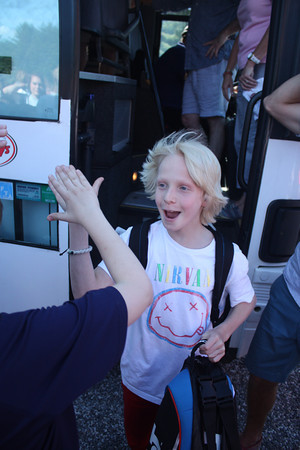
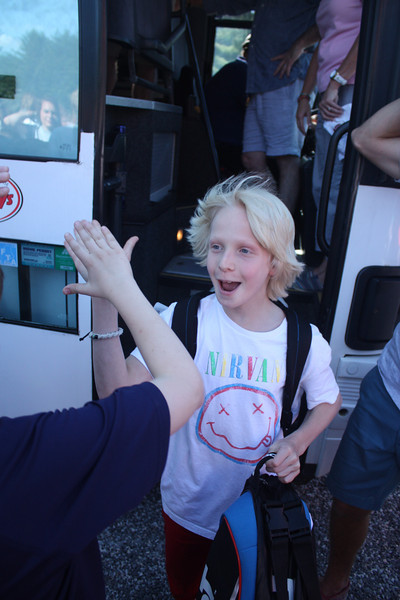
Most children step off the bus and get their first glance of summer camp as eager, excited, and slightly nervous seven or eight year olds. It’s their first time away from home and they’re not quite sure what to expect. Few register those first moments as the first of a seven year adventure. It’s just the first summer, after all. Even parents sometimes forget that summer camp isn’t just one summer and, in that regard, is much more than a campus. It is a place where children grow up, and it should be a place where campers are every bit as enthusiastic about stepping off the bus their seventh year as they are their first. It should be a place where they feel an integral part of something larger.
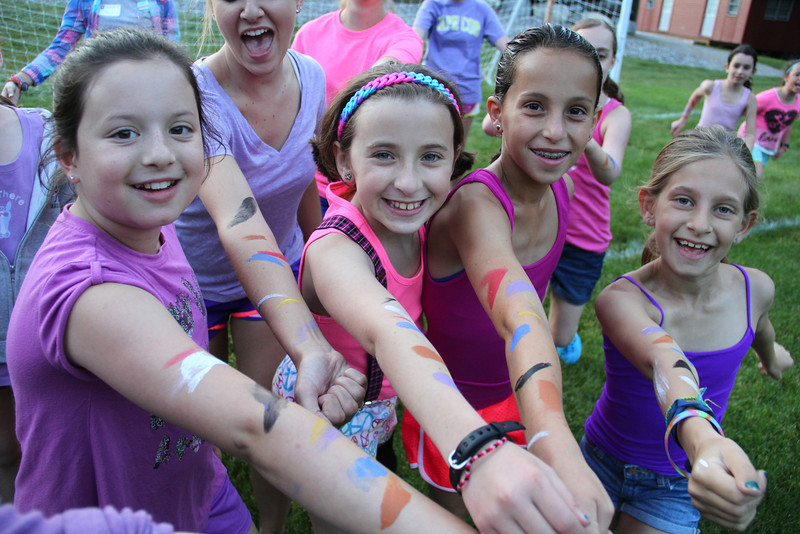
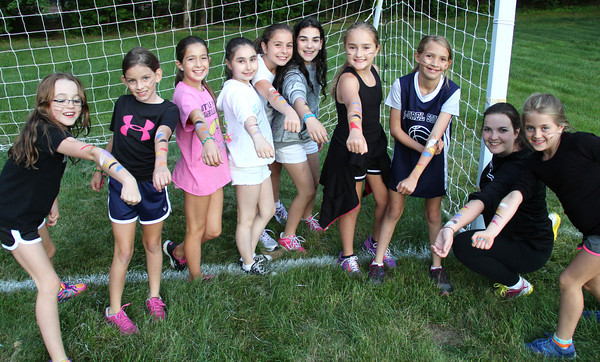
Relationships form early at camp. The friends campers make their first year are often their closest throughout their camp careers. The adrenaline filled first meeting is the beginning of several years in the making. But the accepting environment of camp that encourages children to try new things also facilitates the promise of new friendships each summer. What campers learn as they progress through summers is that at “their camp,” no two summers are quite the same.

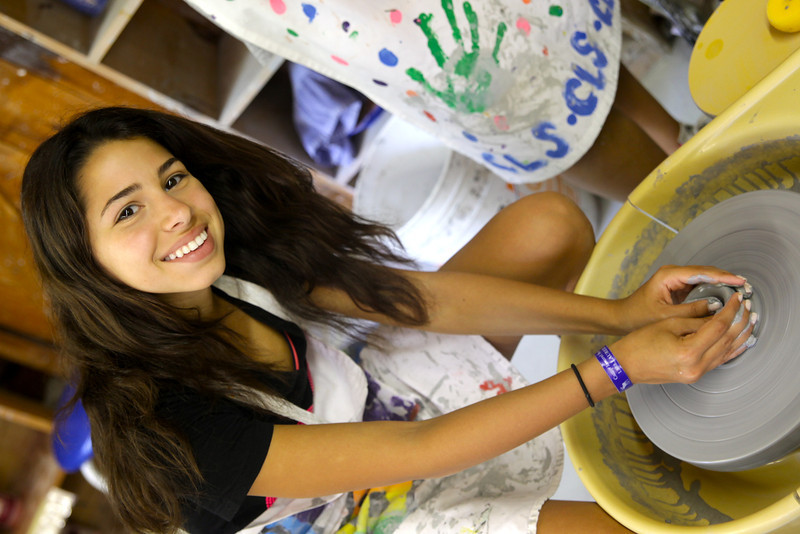
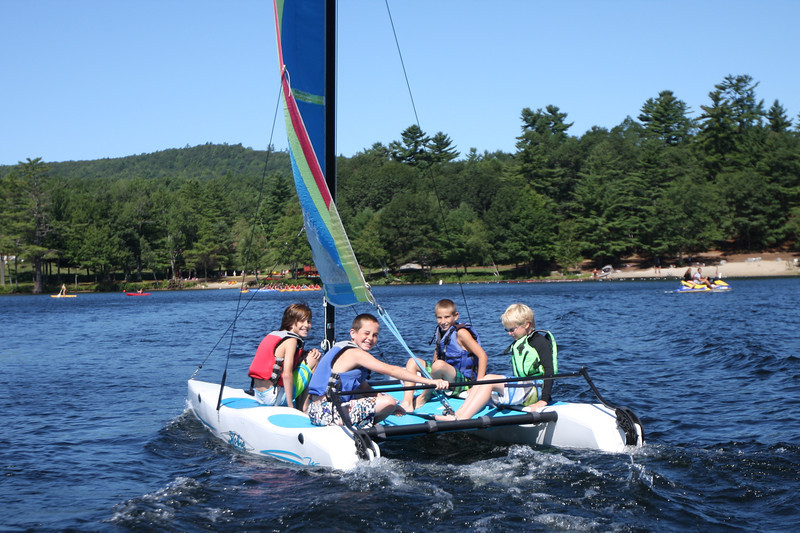
There is always the element of the unexpected at camp. Anticipation throughout the winter to return to camp is driven by the mystery of how the next summer will be different than the last. The ability to envision the campus as pretty much the same way they left it (with maybe a few upgrades or improvements) eliminates the element of fear in change for children. The stability of the campus itself makes change something to which campers can look forward. Boating docks, dining halls and arts and crafts studios become favorite spots as the settings of memories from summer to summer. Although they are the same places they were the summer before, the memories campers associate with them make them slightly different.
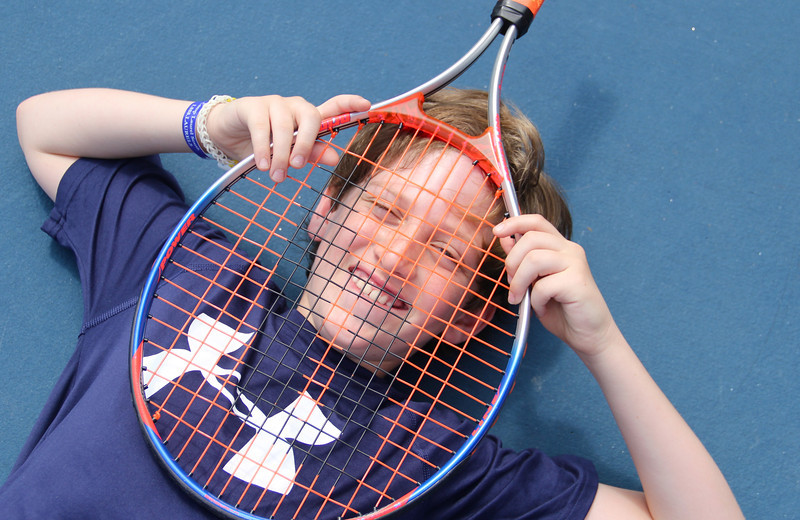
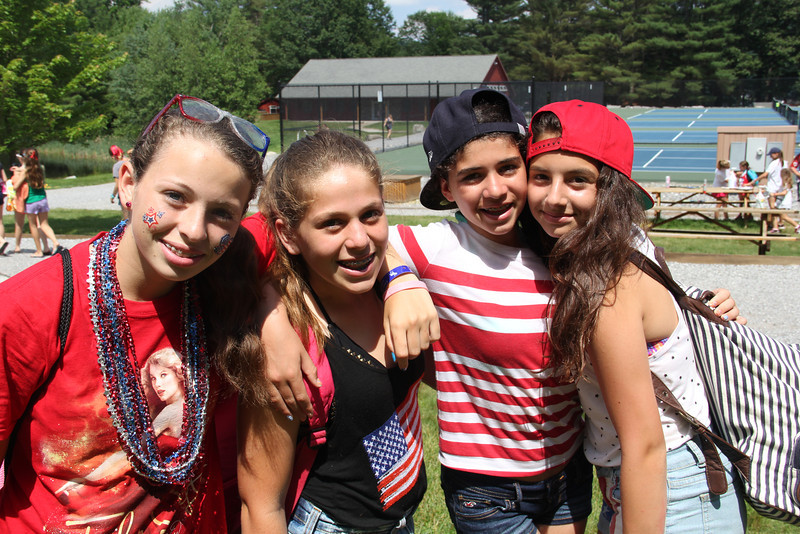
That first exploratory summer, young campers are also able to observe and begin to anticipate the various rites that occur as they age. They look forward each summer to special trips and activities that are exclusive to their second, third, fourth, fifth, sixth, and seventh summer. In the end, summer camp isn’t a singular experience. It’s the sum total of many summers and a culmination of friends, activities, traditions and memories that builds from that first welcome on the first day of camp that first summer.

10 Camp Things for Which We’re Thankful All Year Long

The holidays are upon us and ‘tis the season to ponder those things for which we’re truly thankful. For those of us who are fortunate enough to eat, sleep and breathe camp 24/7, 365 days a year, it’s hard not to make an exclusive “Camp Laurel South” list. After all, camp is just as much a part of our lives in November as it is in June. So we figured we’d share some camp things for which we are thankful all year long.

1.)    Our campers. Each and every one of our campers brings something unique to camp that makes our camp family complete. Getting emails and phone calls about our campers’ accomplishments throughout the winter makes the memories we have of the summer that much more special, and makes us even more excited to see everyone the following year.

2.)    Our camp parents. We feel pretty lucky to have so many parents who as enthusiastic about camp as their children and who keep in touch throughout the winter, providing us with fun and interesting updates.

3.)    Our staff. Finding a staff of talented people who are willing to leave their first homes and make summer camp their second home for several weeks  each summer in order to literally live their jobs day and night is no easy feat. That we’re able to put together a staff each summer who is so vested in creating an amazing summer for all of our campers is truly a blessing.

4.)    Alumni. It’s always a special treat when our alumni share their favorite camp memories and reiterate how great their camp years were. The fact that so many of our alumni are still in touch and/or are active within our community says a lot to us about just how special camp is and motivates us to continue to strive to make camp a lifetime worth of memories.

5.)    A beautiful campus. That first drive into camp each summer is always so special. No matter how many times we’ve been there, that first glance of the bunks/cabins, the dining hall, the fields, the courts and the waterfront each summer is something we anticipate all year long.

6.)    Memories. Memories are what makes each summer different than the last. Even in the fall, we find ourselves asking each other, “Remember when…?” and laughing over our favorite camp moments throughout the year.

7.)    Camp Songs. We often find ourselves turning up the volume whenever a song that proved popular the summer before plays on the radio or humming the alma mater or a favorite dining room tune while we’re busy planning for next summer.

8.)    Camp friends. It’s so nice to have someone with whom we can remember those special moments from previous summers and with whom we can have a hearty laugh about those inside moments that only our camp friends can understand. It’s also nice to be able to re-experience camp through meetups through the winter and makes us even that much more excited about next summer.

9.)    The camp tradition. It sounds pretty obvious, but just the fact that we’re able to carry on such a beloved tradition is a privilege. Summer camps have been around for more than a hundred years and such an iconic part of our culture that movies and television shows have been made about summer camp and books have been written about it. Not to mention, without summer camp, we’re not quite sure what we’d be doing. We certainly can’t imagine doing anything else.

10.) The promise of next summer. We’ve said it a million times, but we start anticipating the next summer as soon as the buses pull away. That ten month wait each year seems like forever, but it proves to be just enough time to plan another summer that promises to be even better than the last. The anticipation drives us all year long as we plan and makes us thankful to be part of camp all year.

Sleepaway Camp: The Ultimate English Language Experience

There is a multi-cultural aspect to summer camp that is a great benefit to campers who attend summer camps in America. While standardized test scores dictate students’ admission into certain high schools, learning programs, and universities, summer camp is an esteemed diversion. That a student ventured to America and invested in an American tradition so revered as summer camp provides international campers an opportunity to advance English skills and immerse in American culture that is almost un-rivaled. The big picture in those countries in which learning is the gold ticket is to take in “all things English.” To experience summer camp is to give a student an advantage beyond any of his or her classmates. Four hours per week in school could never equate to those of several weeks spent at a summer camp experiencing traditions that are quintessentially American while forming friendships that last a lifetime. English is a language that is as much about experience as linguistics. It’s a complicated mix of culture with as many exceptions to rules as there are rules. The best way to understand English is quite literally to experience it. At camp, children can make friends, participate in activities and become a part of traditions that are more than camp: They live English. For those children seeking to become truly fluent in English and gain an advantage over their fellow students, summer camp is an essential investment.

The Many Role Models of Summer Camp

There aren’t many places children can go to be surrounded by positive role models that provide them the opportunity to develop relationships on multiple levels.  For most kids, adult mentors are limited to parents, coaches and teachers. There’s one place, however, where children are surrounded by mentors on multiple levels 24/7: summer camp.  Most summer camps have very high staff to camper ratios, which means there is never a shortage of grownups from whom campers can seek guidance and leadership.  Of course, everyone knows that role models are important in the lives of children.  But we simply forget to take the time to consider that having different types of leadership examples is equally crucial, until we’re reminded of this by the campers themselves.

A senior camper at one of America’s Finest Summer Camps recently observed there are so many leaders at camp that you never feel like you have no one to go to when the need arises.  This is very true.  There are coaches to help children improve their skills and reach athletic goals.  There are counselors to provide guidance through daily activities.  There are Head Counselors and Campus Leaders to help out with the bigger, more complicated aspects of camp.  And there are Directors who make it their business to make sure everyone has fun and stays safe.  There is also the myriad of other staff who work in camp offices, kitchens and health centers.  Regardless of which role any of these people fulfill, they’re all working at summer camp for one reason: They have opted to dedicate their summers to making a positive impact on the lives of children, and the campers’ best interests are their first priority.  There aren’t many institutions that can make a similar claim.

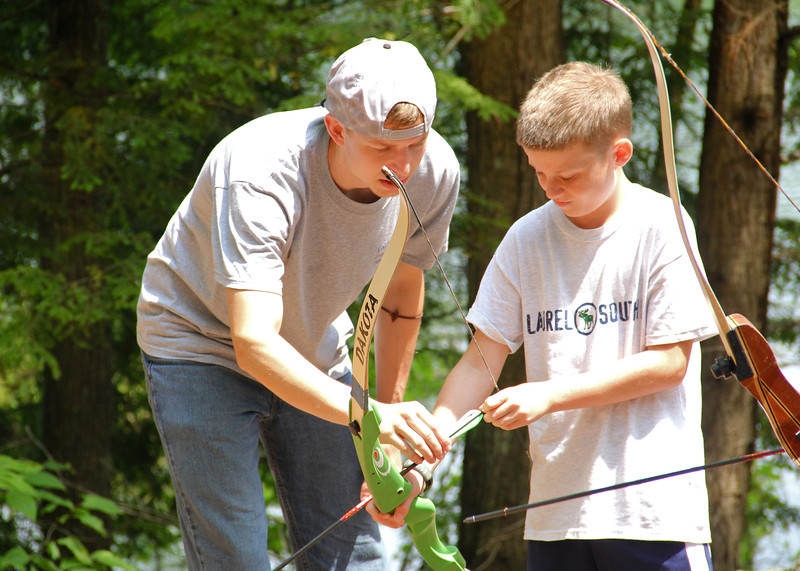
As leaders and mentors, camp staff bring a passion to their jobs that anyone who makes a decision to dedicate themselves 24/7 to a job must have in order to be successful.  They voluntarily give up sleep, time with family and free-time in order to be a part of summer camp, and their dedication shows through their interaction with campers.  The relationship is symbiotic.  Campers understand that staff find as much value in the summer camp experience as they do, which develops into a mutual confidence and trust.

Social learning is the psychological concept that places value on the necessity of good role models in the lives of children, which is perhaps why camp is an ideal place for campers to get the most out of being surrounded by many prospective mentors.  Summer camp is somewhat of a microcosm of an ideal society.  It’s a self-contained arena in which people live alongside one another in an environment that is most harmonious when everyone supports the successes of those around them. The absence of everyday competitiveness gives campers the opportunity to take full advantage of the encouragement that comes from everyone around them, including leaders.

Coming Home (Parentheses)

Parents: prepare for your pantries to be emptied, your laundry rooms to be full, and your television remote controls to become affixed to your children’s hands.  The campers are coming home, and they’re riding a camp high.  They have a lot to tell you.  Get ready to hear a lot of stories about camp (over and over), be let in on a lot of inside jokes that you probably won’t understand because “it’s a camp thing” (laugh anyway), learn everything you could ever want to know and more about new friends (excellent excuse to look at camp photos again with your children), and listen to camp songs and cheers (they’ll likely want to teach them to you too).  Sometime around mid-September, you’ll probably start wagering with your spouse about whether your children will stop talking about this summer before next summer starts (not likely).

You’ll try to start conversations about things other than camp (you’re pretty sure you’ve seen an episode or two of Pretty Little Liars), but inevitably the conversation will come back to camp. (Remember the episode when Spencer realized that she’d been to summer camp with Hannah’s stepsister?  And speaking of camp…) But just when you’re starting to feel camped out, something will happen this fall that will make you remember why you love hearing about camp.  Registration for next summer will open.   You’ll remember that this is the point every year when still hearing about this summer even though it’s time to start thinking about next summer transforms into music to your ears, and the lyrics are your children’s way of telling you that they love camp (even though by that time they’ve said they love camp about a million times).  You’ll think about everything they’ve shared with you about camp, try (and fail) to count how many times they’ve used the word “camp” since they’ve returned home, and maybe even admire some of their arts & craft handiwork as you pat yourself on the back for deciding to give your children the gift of summer camp (then you’ll check the camp website for the Visiting Day 2014 date).

Healthy Competition

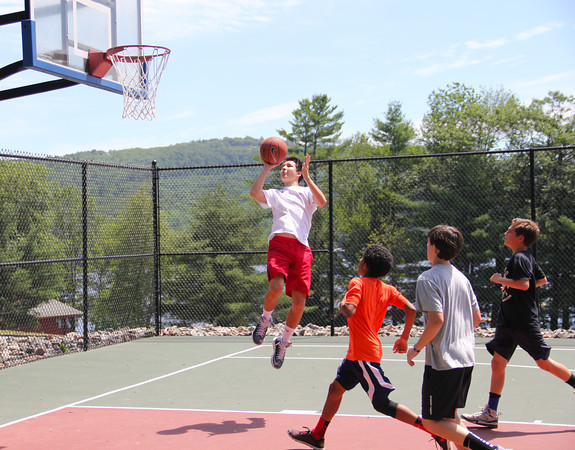
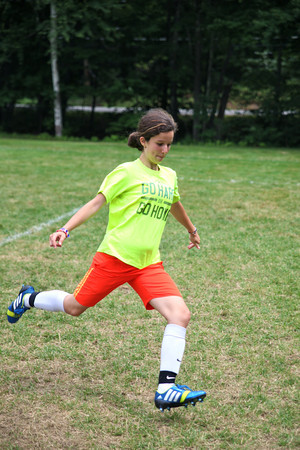
“Healthy Competition” is a term that is often used at summer camp.  While they also offer a wide selection of niche and hobby type activities, traditional summer camps focus heavily on sports.  The emphasis, however, is more about encouraging campers to be active and improve their skills.  This is not to say that campers do not participate in sports matches.  In fact, many camps not only facilitate game play through intra camp leagues, but inter camp leagues as well.  Thus, “healthy competition”, as it is used at camp, is an expression to describe contests with positive encouragement, regardless of the outcome, and not merely a synonym for “no competition.”

Po Bronson, co-author of Top Dog: The Science of Winning and Losing believes that the camaraderie that results fromh healthy team competition encourages children to learn at a faster pace and alleviates the stress of learning a new skill or attempting to improve existing abilities on one’s own.  Another aspect of camp competition that makes it healthy competition is that it’s limited in scope and time.  It takes place only as long as camp lasts and does not extend beyond the camp environment.  This, according to Bronson, is a key element of “healthy competition, “In finite games, you compete and then you let it go, and you have rest and recuperation – that’s actually really important for kids,” said Bronson. “It’s the continuous sense of pressure that is unhealthy for them.”

The stress of not making a team or of underperforming is not a pervading force in camp athletics.  Says Bronson, “What kids do need to learn is losing is not that big a deal. They need to learn to lose and go ‘Oh, whatever,’ and move on and keep playing…You want to get them to turn up the work ethic in order to win.”  At camp, losing is not a big deal, because every summer is a new summer–new tryouts, new teams, and new possibilities.  The constant rearrangement of groups also helps campers shrug off losses.  Another day brings another activity and a new group with which to compete.  A loss in one activity does not translate to a closely monitored record that eventually defines a team and, sometimes, individuals.  The teams are constantly changing and so are the competitions.

The break between summers also makes growth measurable for campers.  When children constantly train and participate in a sport, it’s more difficultfor them to see themselves improving, even when they are.  The ten month gap from one summer to the next provides campers with the time and distance necessary for improvements to be noticeable.  The distinct parameters of camp that restrict it to a single season—summer—also remove the constant pressure of advancing skills as quickly as possible so as to always be able to perform at peak level.  Every summer is a new summer–new tryouts, new teams, and new possibilities.  As a result, campers tend to maintain a healthy attitude about camp sports, which makes them naturally receptive to the idea of genuinely healthy competition.  At camp, it’s not so much about winning and losing as setting goals and measuring one’s progress from summer to summer.

“What kids need more than anything is not to win or lose but a close race, a fair competition where everyone feels like they’ve got a fighting chance,” says Bronson.  “Where everyone feels like they have a fighting chance” is exactly what summer camp is, and why it’s an environment naturally conducive to healthy competition.

A Whole New World

At one of America’s Finest Summer Camps, a first year camper, upon stepping off the bus on arrival day for the first time, immediately exclaimed, “I’ve been waiting for this moment my whole life!” The awe of that young camper at that moment was very reminiscent of the scene in The Little Mermaid in which the young mermaid Ariel finds herself on land for the first time and, with her new legs, begins experiencing a whole new world.  She is mesmerized by the smallest human things—flatware, trinkets, and mirrors.  For young campers who finally get to come to camp for the first time after sometimes waiting their “whole lives,” there is a sense of wonder in being in a new place with different people and things.  They are surrounded by literally dozens of activities that perhaps they’ve never tried and, sometimes, of which they’ve never even heard.  Like Ariel the mermaid, they sometimes hear about the world of camp from older siblings for years before finally getting to experience themselves.  With that newness and the adventure of being in a place one has dreamed for a very long time comes a sense of openness and a willingness to try new things.  New campers often want to try EVERYTHING!

And why not?  What better way to discover which things one loves than at summer camp, an environment in which many new campers are away from their parents for the first time?  There is no sideline pressure from over-zealous parents and coaches at camp sports.  There are no teachers to mark right from wrong.  Instead, new campers are surrounded by supportive counselors, staff, and friends, many of whom are also first time campers and that natural empathy creates an atmosphere conducive to bonding and the formation of lasting friendships.

As campers maneuver the new world of camp, they share like experiences.  Whether big, like taking on a high ropes course for the first time as a cabin or small, like learning how to bait a fishing hook, learning what camp is all about becomes the foundation for the transformation of the new world of first time campers into the special world of camp. Because the menu of camp activities constantly expands and evolves, there is a perpetual newness to the summer camp experience.  Even though, for older campers, camp becomes a special place to which campers get to journey once a year, that essence of being a whole new world lives on summer after summer and is what drives campers to spend their winters counting down for that annual journey to experience it.