Choose Your Own Adventure at Summer Camp

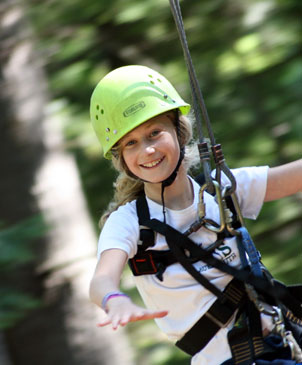
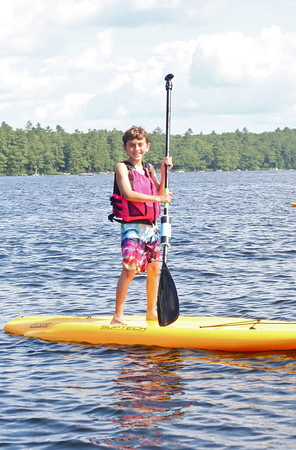
There is a new trend sneaking into summer camps.  An increasing number of sleepaway camps are foregoing the traditional pre-determined summer camp schedule in favor of giving campers complete control over their summer camp experience.  This approach to summer camp has become  a particularly popular approach to the summer camp experience at session camps, which tend to attract a less traditional family of campers than seven week camps.  And the appeal is mutual.

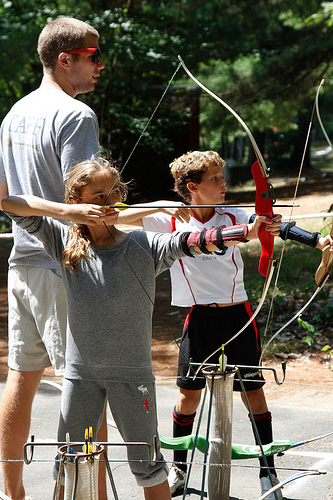
Allowing campers to customize their experience gives them the opportunity to experience a traditional summer camp while enjoying many of the same benefits that they might enjoy by attending a specialized camp.  It’s truly a best of both worlds scenario, and the response has been overwhelming.

There is certainly no shortage of children who want to experience summer camp.  The conflict seems to arise from increasingly busy summer schedules and the pressure placed on children to be great at—well—everything.  Despite our inclination as adults to want them to be everything we are and more, along with everything we are not, children need time and space to be…children.  Enter the session sleepaway camp, an environment catered to letting them be themselves while improving their skills in those activities they love while giving them ample opportunity to try out new ones in shorter, more realistic segments for the busy family.

In addition to having freedom over their activity choices, the independence children gain while at summer camp is also a great way of letting them try out their wings. For many children, camp is their first experience away from their parents.  It’s the first time they’re choosing their own clothes, deciding what to eat, determining which activities to try, and learning how to be part of a social network without the assistance of mom and dad.  For those children not quite ready for the full summer experience, a session camp is the perfect way to give camp a test drive.

So if you’ve hesitated to enroll your children in summer camp because you’re afraid it’s too much structure, or if you’ve been thinking you would like them to learn how to be a little bit more independent, consider a session summer camp.  It just may be the perfect fit.
Camp: A Different Set of Expectations

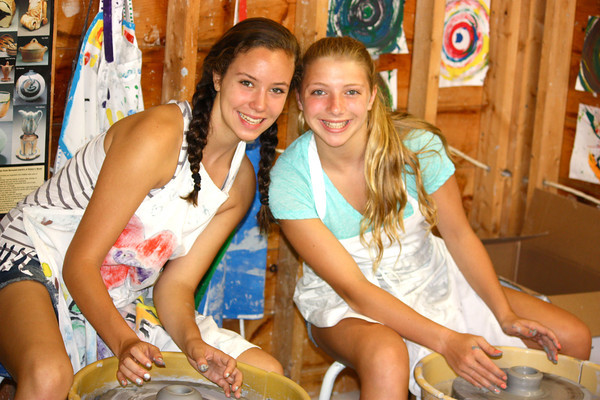
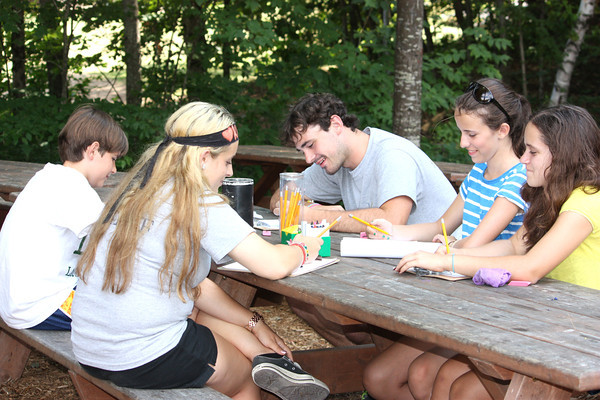
Okay, admit it.  You’ve found yourself spending a considerable amount of time admiring that candle your daughter gave you on her camp’s Visiting Day or those wooden bookends your son brought home.  Part of you wonders how come you never got to make stuff that cool when you were a kid while another part of you is mystified by how the arts and crafts staff of your child’s summer camp was able to draw out the Picasso in your little ones.    After all, you can barely get them to focus long enough to make a poster for their science projects.  What is it about camp that seems to facilitate children’s creativity?

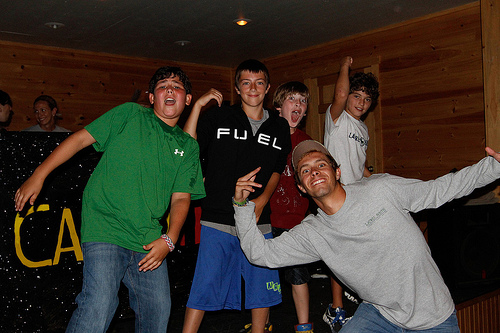
Sure it’s woodsy and remote, even quaint–the perfect place for children to feel free to be themselves.  They certainly do a lot of things at camp that they don’t get to do at home.  And you did spend the entire summer looking at photos of your daughter posing in a rainbow colored tutu—Did she ever take that thing off?—and of your son covered in face paint knowing full well that neither of them would EVER dress like that at home.  And was that your son dressed as a dog singing on stage?  Singing?  Him?  Really?  And last night he just told you, by the way, that he is trying out for the school play this year because the camp play was really fun.  He would never ever—even if someone had double dog dared him—have auditioned for a play before camp.  What changed?  The Expectations.

There are a lot of reasons children find themselves exploring more creative avenues at summer camp, but one really big one is that the expectations are different.  Children learn to respond to expectations.  Moreover, they learn to respond to the expectations of individuals.  They understand that their parents have expectations as do their teachers, siblings, friends, coaches, so on and so forth.  Whether  we’re comfortable admitting it or not, a lot of the expectations in that ten month world campers know as “winter” in some way promote conformity.  Expectations placed on children at home, in school, etc. emphasize the importance of following rules and established guidelines.  Of course, camp expectations do this, too, but the emphasis at camp is not to find one’s place in that larger whole by blending in but by standing out.  Camp is a place in which children are encouraged to try new things in a quest to find their passion.

Sure you’re thinking of those photos of your daughter holding up her latest tie-dye creation for the camp photographer’s camera—those ones in ewhich she was covered to her elbows in dye—and you’re thinking that’s you wouldn’t really classify tie-dye as a “passion.”  Maybe not.  But it could be the beginning of one, the spark that leads to an interest in art or the arts, or even just the memory of trying something new that turned out to be fun that lends courage to trying other new things.  The expectations in the “world” of camp is that campers will explore it.  Perhaps this is why it’s no surprise that many well known figures attended summer camp and attribute it to being the place where they found long-term direction.  Sure, learning how to plunk out folk songs on a guitar is a long way from the philharmonic and being part of the chorus in the camp play is certainly not Broadway, but the idea is the same and, for many campers, it’s the start of building enough self confidence to stand out.

A Network of Lifetime Friends

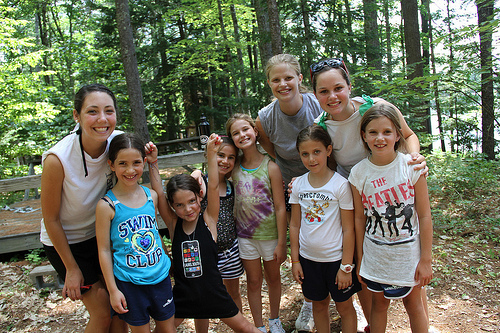
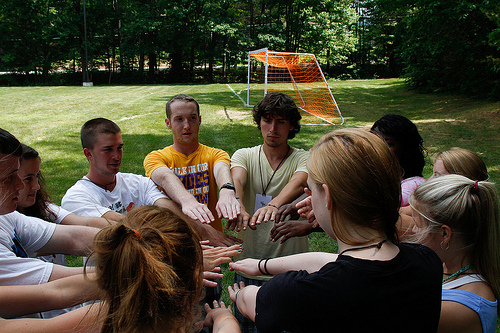
One of the most touted benefits of working at a summer camp is the network one may build even within the parameters of a single summer.  Unlike many work environments, which tend to draw locals with a telescoped set of talents, summer camp attracts staff from virtually all over the world who possess an array of abilities.  A successful summer at camp requires the expertise of athletes and artists alike.  Because summer camps are 24/7 communities, staff members tend to form very close bonds within the two months that they reside at camp each summer.  Camp breeds a sense of family, which is precisely why, for a good many staff members, goodbye at the end of the summer is seldom goodbye forever.  Thanks to a little help from social media outlets such as Facebook, it’s possible to stay in touch with summer camp friends no matter where on earth they live.  Whether it’s couch surfing while traveling, hunting for a job, needing a little bit of advice or support, or sharing an inside joke, camp friends are there.  Working at summer camp is more than just a summer experience.  It’s a way to form a global network of friends for life.

Re-asserting “Team” in Team Sports

Whether your family lives in a large city or a small town, there is likely not a shortage of organized sports  for children. Increasingly, the emphasis of team sports is less about what it means to be a member of a team and more about being the MVP of a winning team.   As a result, child athletes are often caught between sparring parents on one sideline and anxious, screaming coaches on the other.  Overly zealous parents and coaches seldom stop to consider that children often absorb their parents’ feelings and may project the resulting tension through their play.  The immense pressure to be a star who constantly wins is often why many children become burnt-out in the competitive sports environment and choose to take a break or even quit altogether.  Says Fred Engh, author of Why Johnny Hates Sports, “If all the focus is on winning, kids may be scared to fail and make mistakes. Mistakes are part of the learning process and it’s how one improves.”  One of the most undervalued benefits of team sports at traditional American summer camps is the environment that allows children to make mistakes without fear of backlash from the sidelines and to process those mistakes in a way that they can turn them into learning experiences.

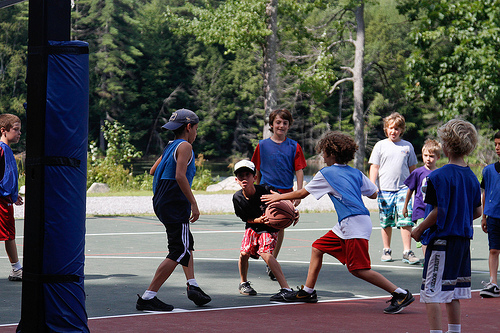
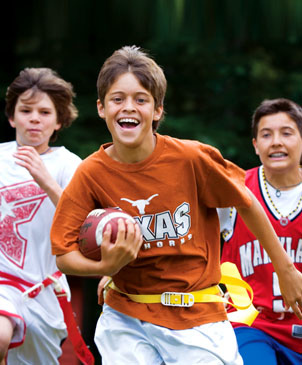
Setting up children for success requires a welcoming environment in which they can feel comfortable being themselves.    Those who tend to be self-conscious are particularly challenged by situations in which tension runs high.  The spirit of camp is one of instruction, fun and safety more than competition.  It’s about making children feel like a valuable part of a unit that utilizes everyone’s talents in a way that is beneficial.  In short, the traditional summer camp environment is a team environment.   At camp, children have the encouragement of their counselors and fellow campers when playing sports.  A child making a layup shot on the basketball court for the first time is cheered just as much as someone scoring a winning three pointer.

Perhaps the relaxed positive reinforcement they receive while learning to play sports at camp is why so many children (as many as 60%) feel compelled to continue being active in an activity they tried for the first time at camp.

Looking at a Summer Camp but Can’t Come to Us? We’ll Come to You!

Starting about now and over the next couple of months, it seems that advertisements for summer camp fairs are everywhere you look.  Though many families begin researching summer camp in late fall or early winter (or some early as early as the summer before), as soon as the snow starts to melt, they realize how close summer really is and that it’s time to make a decision.  Camp fairs are one way to visit with many camp representatives or directors in one area.  However, schedule conflicts or distance sometimes make attending camp fairs impossible.  That’s why some camps will come to you!  Home visits are typically as simple as expressing interest in a camp and requesting a home visit.  The camp will work with you to arrange a time for a camp representative, usually a director, to come to your home when he or she is in your area, talk to you about the camp, and address any questions or concerns you may have about the camp specifically or just about camp in general.  Afterward, together you can decide with the director or representative whether your child would be a good fit for the camp.  Camp directors enjoy home visits because it’s a great way for them to get to know prospective campers and their families in an environment in which they are comfortable.

Because the individual who comes to your house is typically a director, home visits are not only an ideal alternative to camp fairs but they are also a great way to get know the individual at the helm. For international families or those who live outside of areas in which camps offer home visits, Skype visits are a terrific alternative.  A Skype visit is the same basic concept as a home visit, except instead of an in person face to face chat, a visit is conducted via Skype.  If you’re interested in a home visit, please contact those camps in which you’re interested to find out when a representative will be in your area.  Because it’s the perfect chance to learn about the camp in a relaxed environment, it’s a good idea to do some homework before your home visit and know which questions you’d like to ask. Other than that, however, after you’ve arranged your home or Skype visit, there’s nothing further for you to do except for the doorbell to ring or the call to come through.  It really is as convenient as that!

Who Works at Summer Camp?

Spring is just around the corner and summer will be here before you know it, which makes now the time to start thinking about how you’re going to spend your summer.  If you’re a college student, you could toil away as a server or cook at the local pizza joint or operate rides or peddle souvenirs at the local amusement or sports park.  Interning in an office may even be an option you’re considering.  And we all know the internships at Wall Street banks are now fewer and far between. But if you want summer employment that promises a summer full of fun and adventure while also helping you develop valuable lifelong skills that employers view favorably, consider working at summer camp.  Just because your college days are behind you doesn’t mean that there isn’t a role at summer camp for you too, particularly if you are a teacher or high school or college athletics coach looking for a great way to supplement your income.  In fact, the ages and backgrounds of the people who make up the typical summer camp staff are about as diverse as summer camps themselves.

If you don’t think being a counselor is really your thing or you’re pretty sure you’ve aged out of that option, don’t sweat it.  There are a multitude of positions besides counselors that summer camps must fill each summer.  For starters, camps have offices and offices require personnel to run them.  If answering the phone and administrative tasks are more to your liking, perhaps working in a summer camp office might be the ideal option for you.  Additionally, camps need people to help with daily scheduling as well as planning and executing special activities during the evenings and on special days.

If you like the idea of spending time with children but are an athlete or hobbyist who would rather focus on your passion, summer camps hire specialists to teach skills in specific sports and hobbies to campers.  If your passion is photography or videography, as the camp photographer responsible for capturing the fun every day, your role is one of the most integral at camp. In fact, if you can think of an activity, there is probably a staffing need for it at camp, and sometimes some of the hardest positions to fill are ones most people just don’t think of when they think of summer camp, such as creative writing, cooking, robotics, eco science, skateboarding, or magic.

Although most hospitality positions such as food service, maintenance, and housekeeping are usually filled with international applicants, some camps hire domestic applicants as well, particularly for supervisory roles in these areas.  If you are an international student who would love to earn some money by working in the U.S. before or after traveling, one of these summer camp roles may be the perfect option for you…as well as a lot of fun and a chance to make a lot of new friends from around the world!

Camps also have a need to fill key roles that require more foundational knowledge and experience.  Aside from campers, camps also need division heads or campus leaders, people who lead a specific age group and supervise all of the counselors within that group.  Although many camps fill all or most of their head roles from within, using individuals who have several years of successful camp experience because they require a more intricate knowledge of summer camp, occasionally they will search outside of camp, typically for teachers or other professionals who work with children. Camps also hire program or activity heads, usually college coaches and current or former professionals in their area of expertise, such as soccer, baseball, basketball, gymnastics, etc.  However, since almost all activities require people to run them, those with interest and expertise in hobby or arts related programs can often find a summer home at camp in areas such as arts and crafts, dance, theater, etc. Those who manage offices, act as campus administrators, or arrange transportation are typically individuals with some type of related work experience as well.  Most camps also employ camp moms or parent liaisons during the summer.  These are individuals, often mothers themselves, who monitor the well being of younger campers to insure they are eating properly, staying well groomed, and having a fantastic summer.

So who works at camp?  Chances are someone like you! If you’d like a summer job in which you can work among a diverse group of people from all over the world, make lifetime friends, be challenged everyday, and have the time of your life, apply now to one of America’s Finest Summer Camps!

Dance at Camp

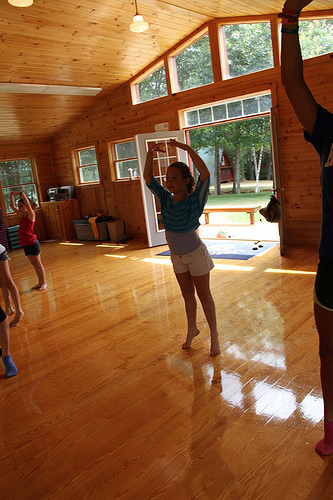
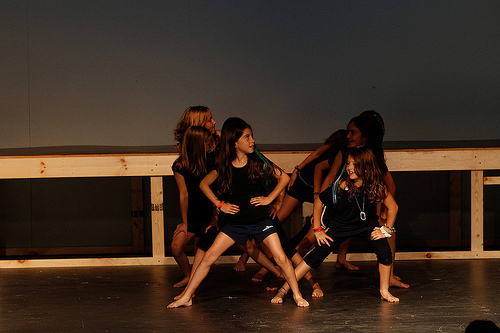
A lot is made of sports at summer camp, but most summer camps also offer many programs in the arts.  Dance is one such program that is becoming increasingly popular among both boys and girls.  Like the many sports available to try, summer camp dance programs give campers the opportunity to experiment with several different dance styles.  Aside from the traditional jazz, instruction is often available in contemporary, modern, hip hop, and ballet.  In addition to offering instruction in multiple styles of dance, many camps also form competitive dance teams that, like sports teams, travel to other camps to compete in dance competitions throughout the summer.  Even if campers aren’t quite ready to audition for So You Think You Can Dance, being a member of a camp dance team is still well within reach.  Typically, because summer camp staff work hard to make their camps a safe environment for children to feel encouraged to step out of their comfort zones and try new things, more emphasis is placed on interest than ability.  Many camps create teams for beginners as well as the more experienced.  Summer camp dance teams are also the reason many campers find their camp dance programs a great way to pursue a non sports related interest yet still be competitive.

Another reason that summer camp dance programs have become so popular is that they provide an outlet to still be physically active in a creative environment. Summer camp is about letting go and not being afraid to act a little bit silly.  Dance provides the same disciplinary and physical training as traditional sports yet also gives campers the opportunity to express themselves and sometimes even be a tad goofy through artistic choreography.  Dance instruction is often provided by trained dance instructors or college students who compete on their university dance team or are pursuing a career in the field of dance.  The availability of instruction in popular forms of dance such as hip hop has also driven the popularity of dance.

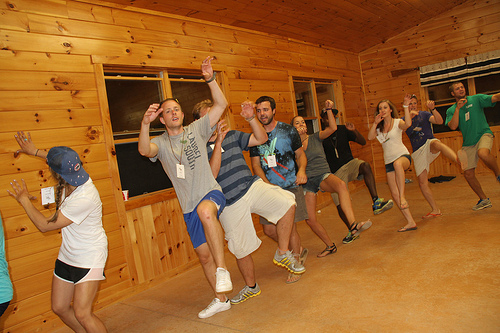
Dance is also versatile. Even though not every camper has a desire to be competitive in dance, campers enjoy learning new moves in dance class and then using them to choreograph bunk or cabin dance numbers for camp shows or talent contests.  They also like showing off their moves on the dance floor during camp dances. Having the opportunity to practice new dance moves in an open, accepting environment such as summer camp gives campers the confidence to continue learning, practicing, and trying what they’ve learned at home.