

 In the first part of this blog series, we discussed the benefits of physical activity at camp. There are underlying advantages to this that directly relate to nutritional habits. Research shows that that the more time children spend doing passive activities such as watching television, sitting at a computer, or playing video games, the more likely they are to overeat. The reason for this is simple. A sedentary lifestyle leads to boredom. Nutritionists assert that lack of activity mars a child’s ability to determine the difference between boredom and hunger. Unfortunately, according to dietician Jennifer Thomas, the increased amount of free time and lack of structure that often comes with summer break makes children particularly vulnerable to tedium and excessive food consumption. Says Thomas, “A child can pick up 5 to 10 pounds over the course of a summer, so it’s important to recognize the difference between boredom and hunger.”
Concern about the obesity crisis has sprung to the forefront of the camping industry. Cedric Bryant, Ph.D. and Chief 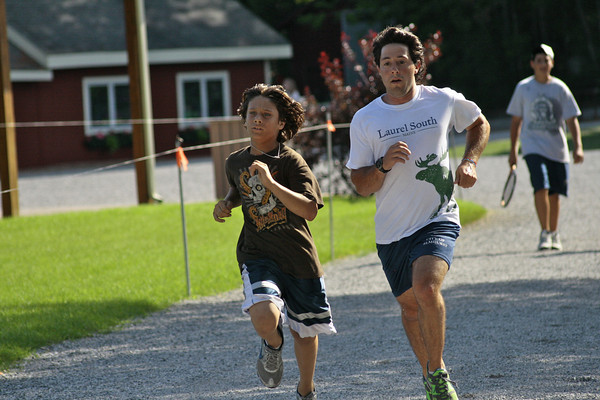 Scientist for The American Council on Excercise, was a keynote speaker at the 2011 American Camp Association’s (ACA) National Conference, attended by thousands of camp professionals. In his address, Dr. Bryant discussed the growing issue of obesity and praised the ability of summer camp to transform poor habits through exercise. Most traditional summer camps offer children a healthy mix of hobbies and athletics. Camp staff members encourage campers to participate in everything that’s offered to them, even that which they might not necessarily do or try at home.
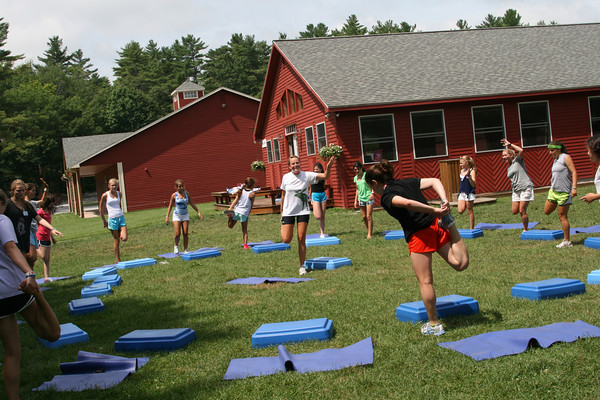 There is also something to be said for the fact that many summer camp activities, including dining, are scheduled into a child’s day and carried out in a group setting. Access to food is limited throughout campus, and eating is typically not permitted in bunks. Quite simply, obtaining food at camp is not as easy as walking into the pantry or opening the refrigerator on a whim for lack of something better to do. New research has established many benefits to family meals. One potentially underrated advantage is that dining as a unit may keep consumption in check by limiting what nutritionists call the “eating area”, the combination of time and space in which eating occurs. “This strategy can help determine if they [children] are really hungry or just bored,” says Thomas. Meals at summer camp are held at specific times in a designated place—usually a dining or mess hall—and campers dine together, often with their bunkmates. Counselors supervise, insuring that everyone receives food and reporting any changes in a camper’s eating patterns.
The four day 2011 ACA conference also featured seminars that addressed issues such as how to work together to improve 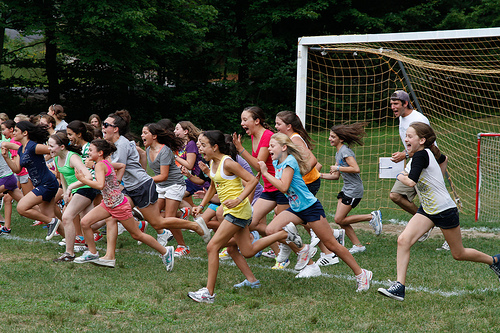 the overall health and nutrition of campers, understanding the relationship between nutrition and wellness and using that knowledge to help campers be high achievers through healthy bodies and minds, and adding healthy options to dining room menus, particularly for those campers who require special diets.
Indeed, though many camps are constantly striving to improve in these areas, the notions introduced in these seminars are not new. Meals served by most summer camps are carefully planned and balanced in accordance with USDA recommendations. Many camps also encourage their campers to make healthy choices at mealtimes by providing several fruit options in the morning and salad bars at lunch and dinner. Vegetarian alternatives are typically available and, increasingly, more attention is being given to rising nutritional challenges such as diabetic or gluten free diets.
All of this is enough to make summer camp worth considering as a combatant to the type of lackadaisical lifestyle that leads to poor eating habits and, possibly, obesity.











 While no actual human being develops in the precise