So, the summer of 2014 is still a L-O-N-G 8 months away. But here are a few things to keep you warm during the colder months of the year…
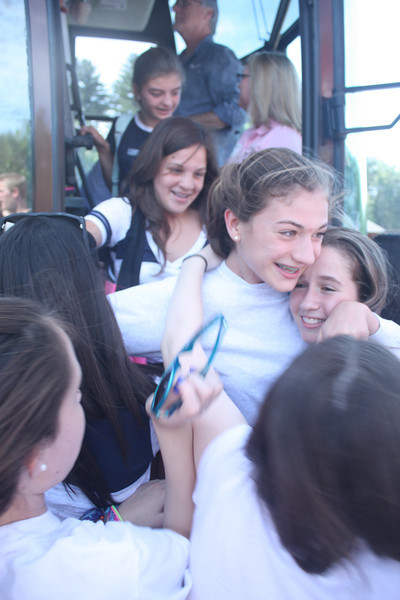
1.) Opening Day. Is there any better feeling than that moment the bus pulls up to camp, you step off and are immediately tackled by a herd of camp friends who have waited all year to see you?
2.) Campfires. Every camp has its own version. In fact, your camp’s campfire is a big part of what makes it your camp. You’re sure of two things: A) Your camp’s campfire is the best B) S’mores taste best when made at your camp’s campfire.
3.) Sing-alongs. It’s amazing how much singing silly songs arm-in-arm with your camp friends during the summer makes you feel. Admit it. You find yourself singing to yourself throughout the winter. Your school friends catch you. You want to explain. ‘It’s a camp thing,’ you say. You immediately send a Vine to all of your camp friends of you singing – and doing motions to –your favorite camp songs.
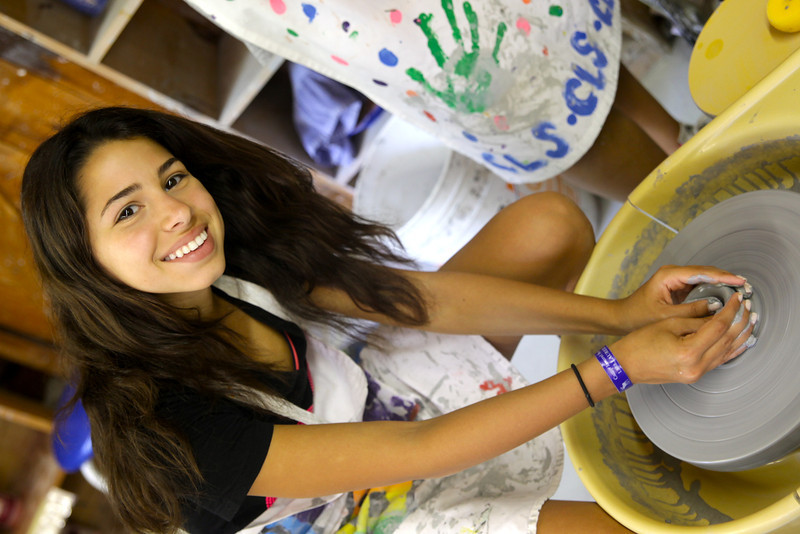
4.) Arts & Crafts. Seriously, you can tie-dye at home too…really.
5.) The official camp video, yearbook, or seasonal newsletter. It should be showing up in your mailbox anytime now.
Host a party. Reminisce about this past summer. Know that next summer will be here before you know it. Set goals now. Next summer will be epic.
6.) Camp Shows. Thespians and camp go hand-in-hand. It’s no coincidence that a lot of the biggest names in Hollywood are summer camp alumni.
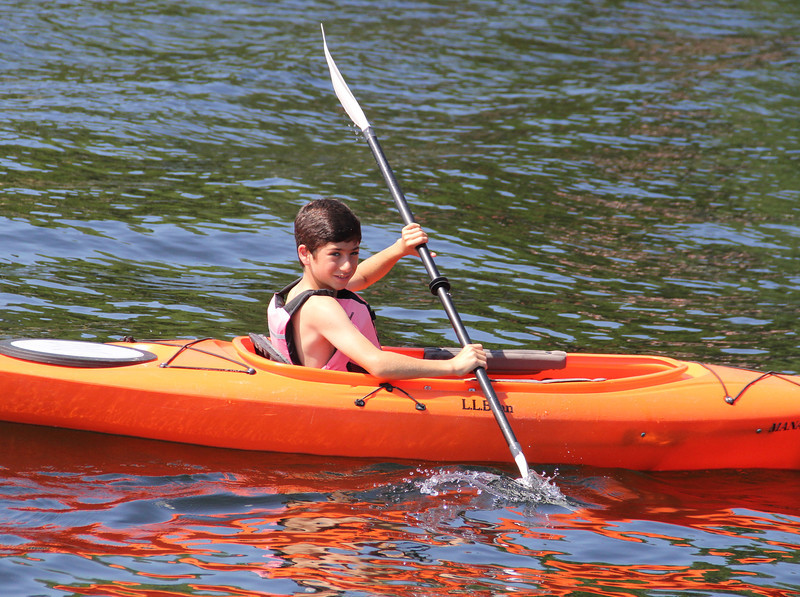
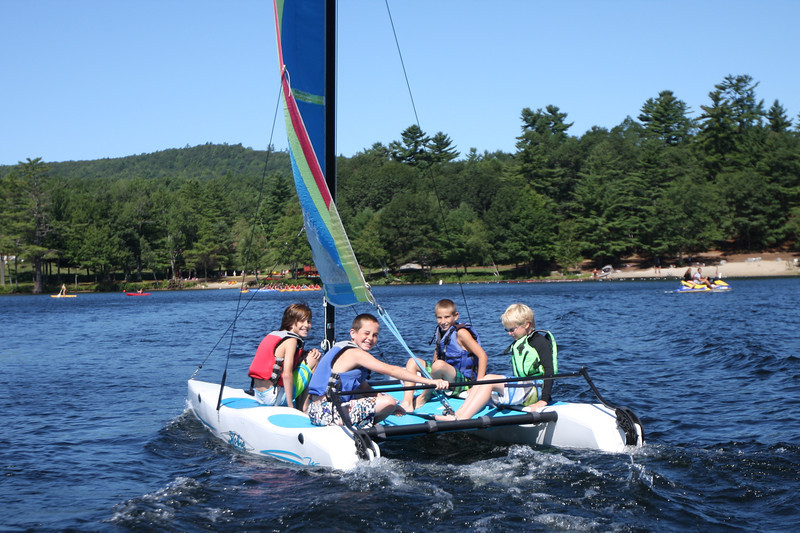
7.) Boats. Camp has lots of boats. Ski boats, sailboats, hobie cats, kayaks, canoes…Whichever is your choice, one fact hails true: some of the best moments of the summer happen on the water.
8.) Trips. Are the movies at home ever as good as it is when you’re enjoying it with your camp friends? What about a roller coasters? Didn’t think so.
9.) Camp food. Admit it. You live for S Day Breakfasts.
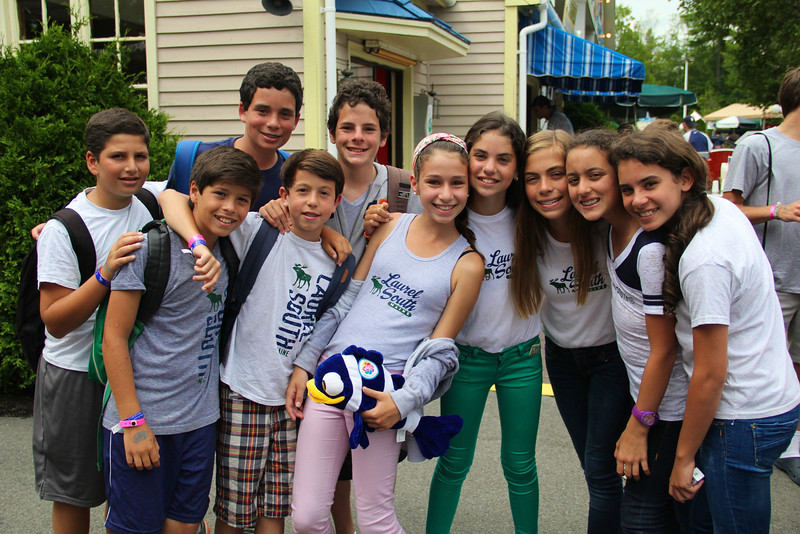
10.) Cabin mates. When you come home with something exciting to share during the winter, who do you share it with?


as significant a role in older campers’ lives as they play in carrying on its traditions. There are a lot of camp articles that sing the praises of summer camp for young children, but few focus on the value of the camp experience for young teens. By the time many campers reach their teens, they already have several camp summers behind them. For them, it’s not really about newness anymore, but reliability and tradition: who is at camp, what is at camp, camp rites to which they’ve looked forward since they were young. In a period of child’s life that can be a roller coaster full of ups and downs that come at full speed, summer camp is oasis of stability. It’s solid ground, a safe place where teenagers go to be themselves and to let loose of the stress and strain that are inextricably part of the teenage years.
At summer camp, teenagers can still be young while getting a taste of what it means to be grown up. They connect with a small group of people with whom they’ve shared experiences since they were very young and with whom they continue to share experiences. They not only share experiences, they share memories that only a select group of others shares. Both give older campers a distinct sense of belonging. Regardless of who or what they are to their school peers the other ten months of the year, camp is a circle of inclusion that often extends far beyond the camp years. Older campers also benefit from privileges that come from being older. They’re tapped to lead camp activities, given leadership roles on teams of younger campers, and charged with being examples in honoring camp traditions. In short, older campers “train” younger campers how to be good campers. For many of them, being a role model and a mentor is one of the best aspects of camp. The pride in having played a role in a younger camper’s life is what brings many former campers back to camp in their adult years to work as counselors.
goals, be it allowing them to sample career life through Apprentice type tasks, giving them the opportunity to write an essay for the camp blog, giving them a camera and letting them take photos for the camp website, helping them write a college essay or work through a summer reading assignment, or just talking to them about what life as a teacher or a coach is like. By the time campers reach their teenage years, they’ve learned to appreciate what staff members bring to the table and are eager to learn and listen. Ask any former camper to name a camp staff member who had a special impact on their lives, and within seconds they’ll share the story of a beloved counselor or staff member who taught them something about life that they still practice today.
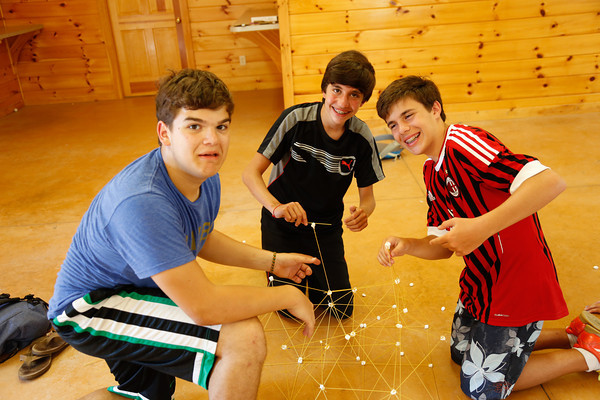
Although many bonds form when campers are young, some of the most special form when they’re older. Sometimes something as simple as a team building exercise helps teenage campers realize that they have more in common with a fellow camper than they thought they did. At an age when it’s all too easy to feel isolated, being able everyday to realize life as a valuable part of a whole translates into some of the most special memories of a camp career.