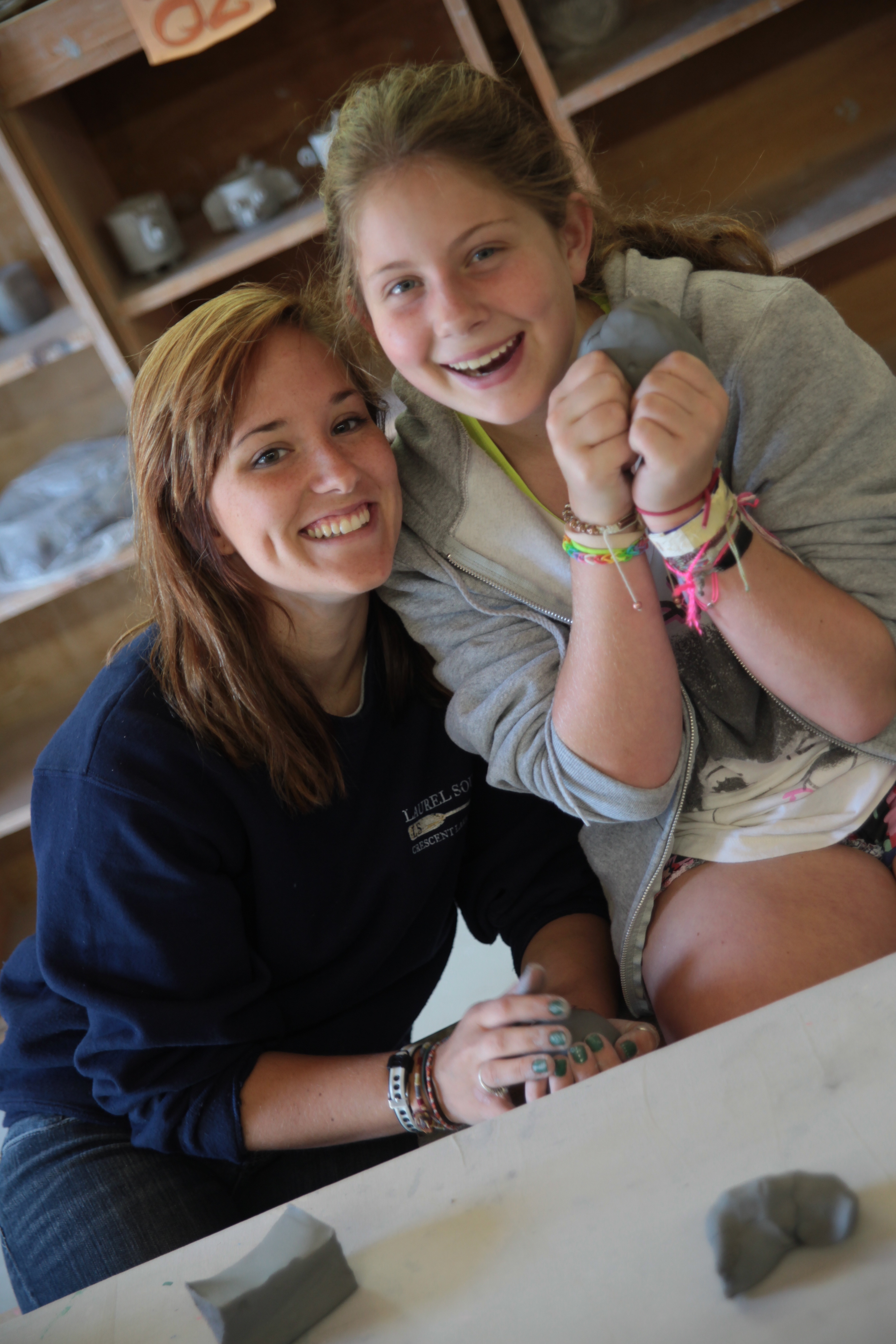
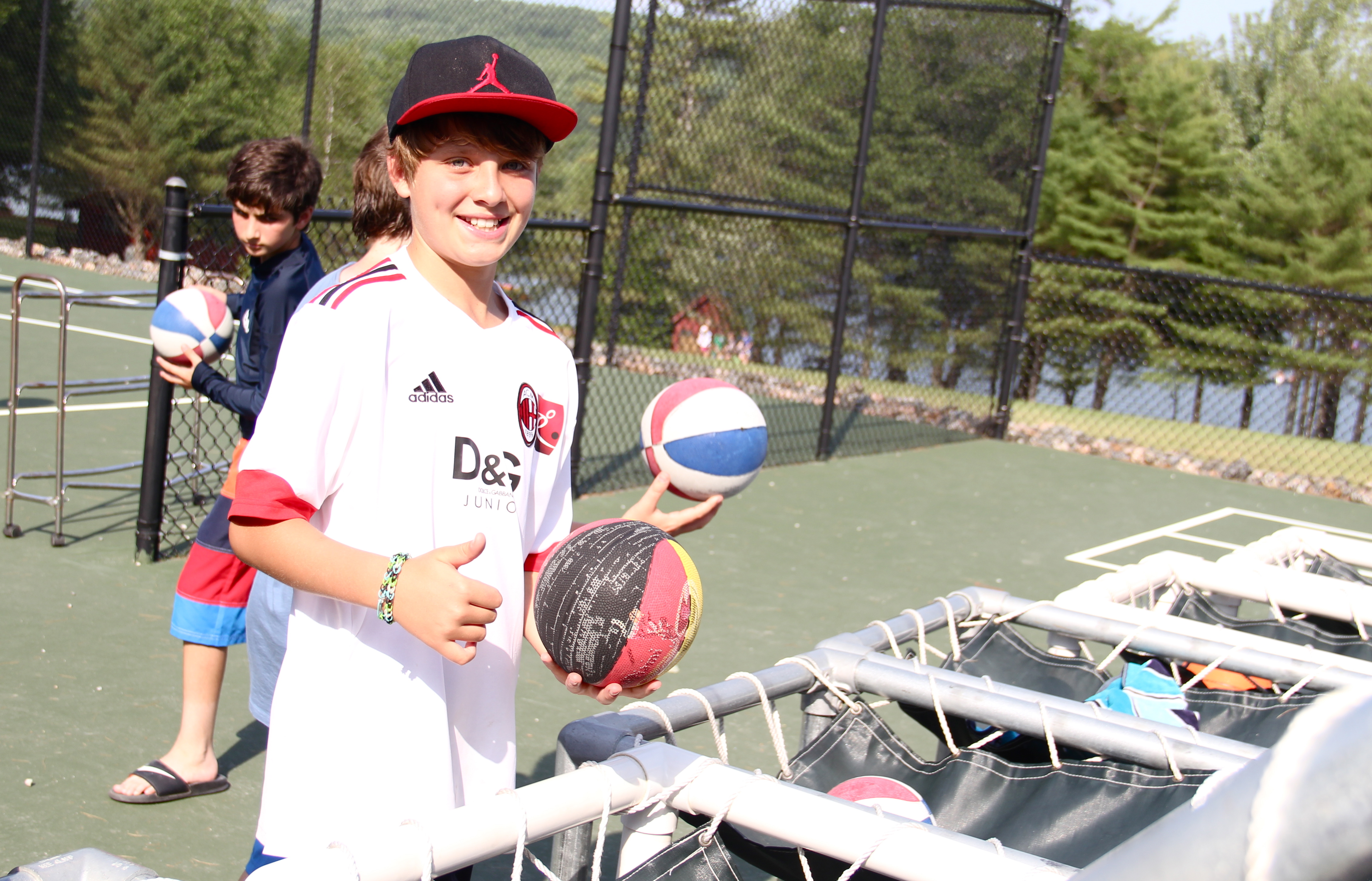
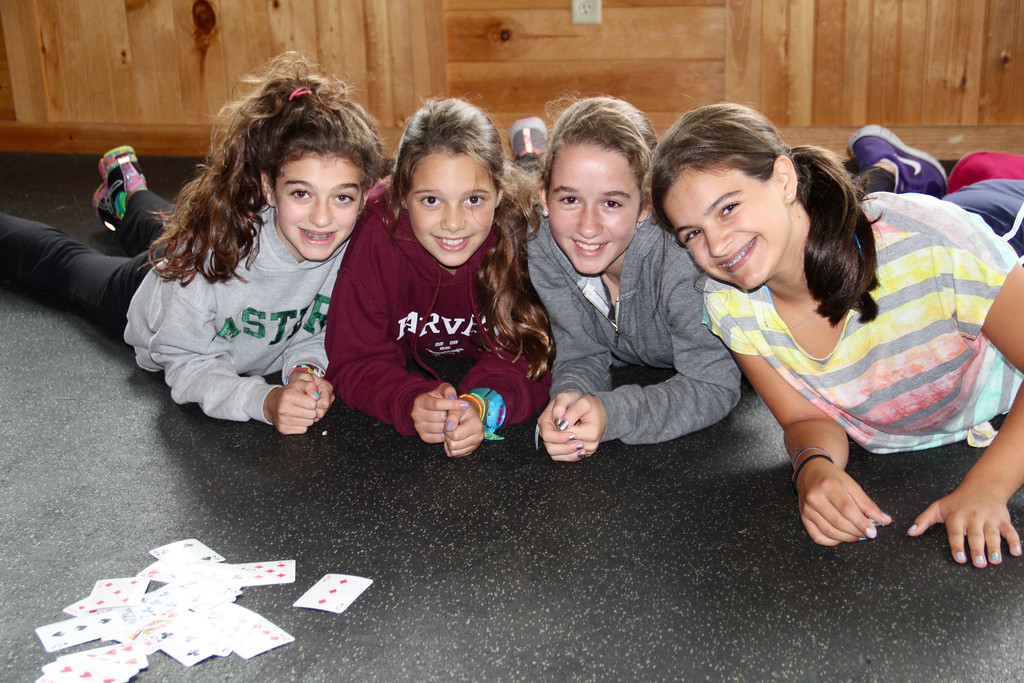
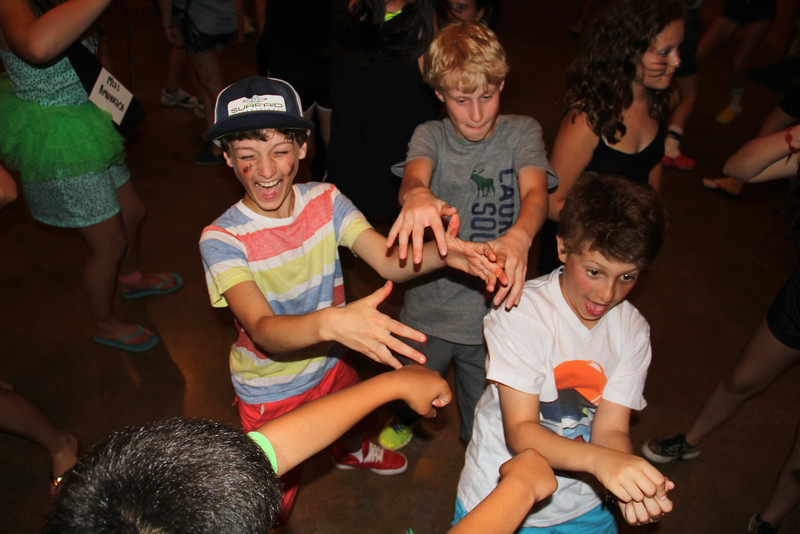
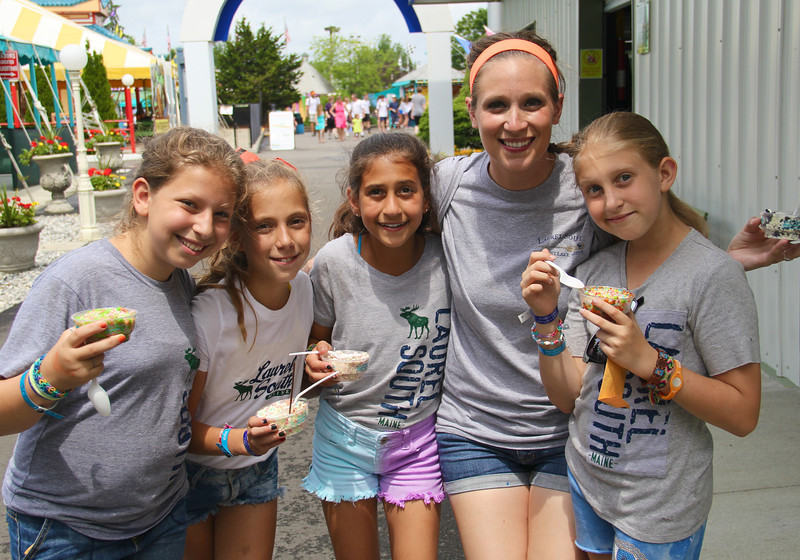
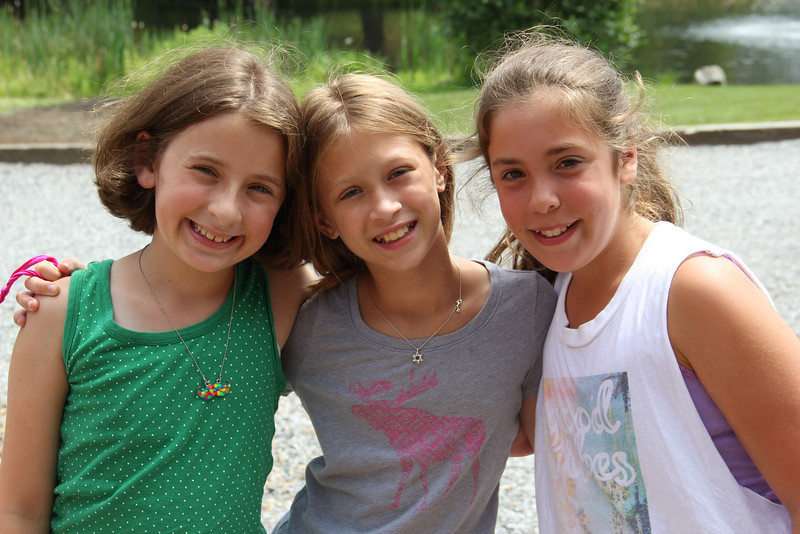
A chuckle-worthy camp confession recently spotted on Pinterest: “My wrists did not see sunlight all summer because of the bracelets.” Anyone who has ever attended or worked at a sleepaway camp is all too familiar with the “bracelet tan.” Of the thousands of camps across America, there is not an Arts & Crafts area that is not well stocked with beads, lanyard, skeins of embroidery floss, paracord, rubber bands and just about anything else that can be turned into a bracelet. Bracelets are BIG at camp. They’re not merely wearable art. They’re a symbol of friendship. Few campers or staff actually keep the bracelets they make for themselves. Instead they exchange them with friends and other special people at camp. Although people have been making friendship bracelets since ancient times, they have become a camp tradition. It’s fun to conjure memories of a special person with a glance at one’s wrist.
The act of making the bracelets is almost as pleasurable as the bracelets themselves. Friendship bracelets are also easy to make, and campers of all ages easily catch onto the various ways of braiding and weaving materials into fashionable designs. Friendship bracelets also appeal equally to both boys and girls. The fact that making bracelets takes very little concentration makes them the perfect social craft. It’s easy to interact with others while making bracelets at camp. Bracelet making is the perfect conversation opportunity and bonding activity.
The row of bracelets is not just camp fashion, it’s a storyboard of the summer that is unique to every individual at camp. It represents who they met during the summer and the special moments that have been committed to memory. One the best things about friendship bracelets is finding them tucked away long after the summer has ended, and having a moment to remember the summer and the people and stories behind each bracelet.
Campers: June is finally here and you’re about to head off to camp for the summer. Whether this is your first summer or your seventh, it’s completely normal to be a whole lot excited and even a little bit nervous. This just HAS to be the best summer EVER…as in epic! But do you ever find yourself a little bit confused about how to make that happen? Here are a few ideas to help you out as you get ready for camp.
Make new friends
Of course your old friends are amazing. That’s why they’re your friends. But new friends are pretty great too. Make it a point to say ‘hello’ to people and introduce yourself to those you don’t know. Talk to other campers to find out what you have in common besides camp. Show support for other campers at activities.
Get involved in camp activities
There are so many awesome things to do at camp. Take advantage of the opportunity to get involved in them. Don’t just rely on favorites for your summer fun. Try some new things too. You’ll find that if you go to each activity—even those you don’t love—with a positive attitude and get involved, camp is even more fun.
Show your camp spirit
Camps rely on their campers to create a fun, energetic environment by showing their camp spirit. There’s a reason you count down the months and days each year until it’s time for camp and why YOUR camp is the BEST camp. Don’t be shy about showing it at camp.
Be your best self
Camp is the most fun for everyone when campers are positive, energetic, open and inclusive. There’s no need to make it like school where only certain types of people hang around together. If someone in your bunk or at your activity is shy, go out of your way to include them and take a leadership role in introducing them to others. If your friends try to say negative things about other people, change the subject or reply with a positive. Encourage others at activities, particularly those who struggle or who fear being made fun of. The more fun that everyone has together, the better camp is!
Keep an open mind
Sometimes, things at summer camp don’t go quite how you expected. Think before you react. Don’t let one bad activity, conversation or even day ruin your whole summer. Remember, it’s just one thing out of thousands that happen over the summer. Rather than dwelling on that one thing, shake it off and move on. If you do, you probably won’t even remember it by the end of the summer.
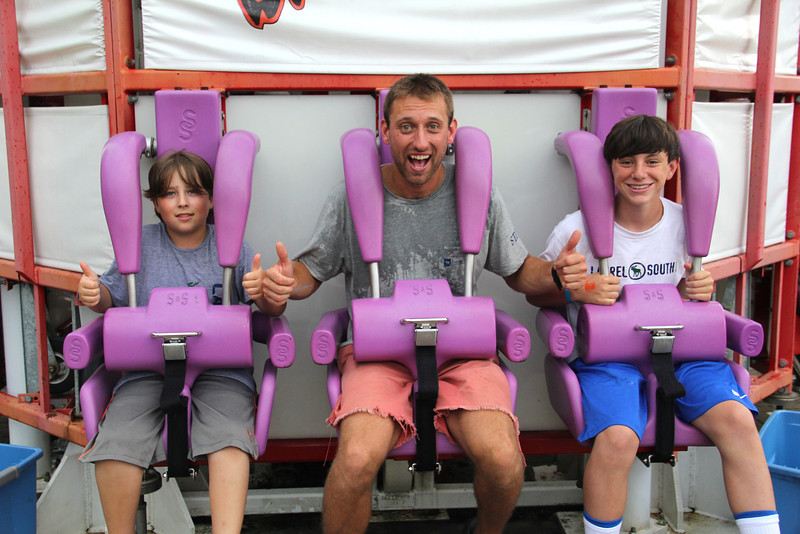
Campers love their camps. They’re green, picturesque and they often feature facilities for just about any activity a kid can dream up. One thing campers also love, however, are camp trips. Camp trips are a lot like school field trips — only better. Way better! They’re a special time away from the daily routine. Campers get to board buses with their friends and go off on an adventure outside of the camp environment. Yes, playing by the camp waterfront with friends is a great way to spend a summer. But taking in a baseball game, visiting a local amusement park, or going bowling with them adds an extra element to the camp experience because it allows campers to do normal “friend things” with some very close friends who they often only get to see during the summer.
Rites of passage are a big part of camp and trips are among those rites. While all campers enjoy some of the same trip destinations throughout the summer, other places are reserved for campers of certain ages. In this respect, trips become a way for campers to mark time in their camp experience. An exclusive trip makes that specific summer unique because it’s the only summer a camper may go to a specific place.
Camp trips also help campers put their summer camp experience into perspective. Sure, they could do just about anything they do on a camp trip without having gone to camp, but doing them at camp makes them part of camp. And makes them very special. And very fun! The memory of having done those things at camp makes these excursions even more special, which is likely why there is always a tinge of excitement in the air on trip day.
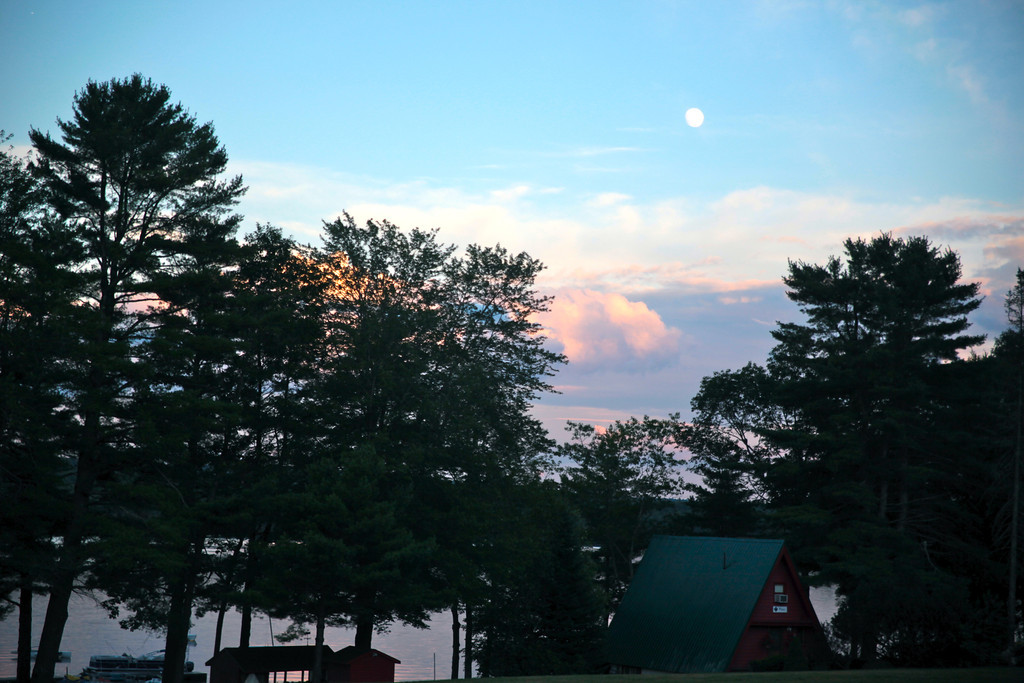
Camp provides the perfect backdrop to a sunset. Watching the sun dip below the tree line and catch the reflection of the water before finally disappearing into the horizon as the campus slowly lights up isn’t just a classic picturesque image of camp, it’s symbolic. It signals a shift in the camp day. The daily activities have ended and now it’s time for the evening to begin.
Sunset at camp signifies dinner. Dinner is an important activity at summer camp. It’s a time for everyone to come together and tell stories about their day as they share a meal as the daylight slowly transitions into a star filled night.
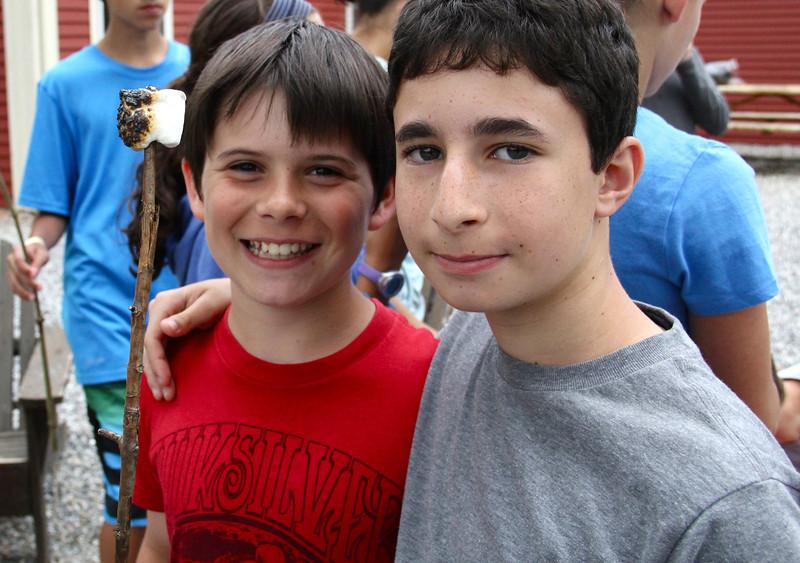
With the sunset also comes campfires. Each camp has its own unique campfire traditions. But the one thing they all have in common is that campfires happen after the sun goes down. Whether it’s entertaining each other, singing songs or eating s’mores, sitting around a campfire at night helps everyone tune into the environment around them and take in the magic of summer camp. The sounds of campus become more amplified. The smells become more distinct.
Campers and staff alike also know when they see the sun begin to set that it’s almost time for evening activities. Evening activities are some of the most action-packed and anticipated moments at camp. Sometimes the entire camp participates in evening activities together while at others separate activities are held for different age groups.
It’s so easy to not even notice the sunset during the ten months when one is not at summer camp. But at camp, sunset is something that just can’t be missed. Not only is it an important part of the camp day, it’s nice to take notice of such a beautiful transition and to understand that taking notice of it is a special part of camp.
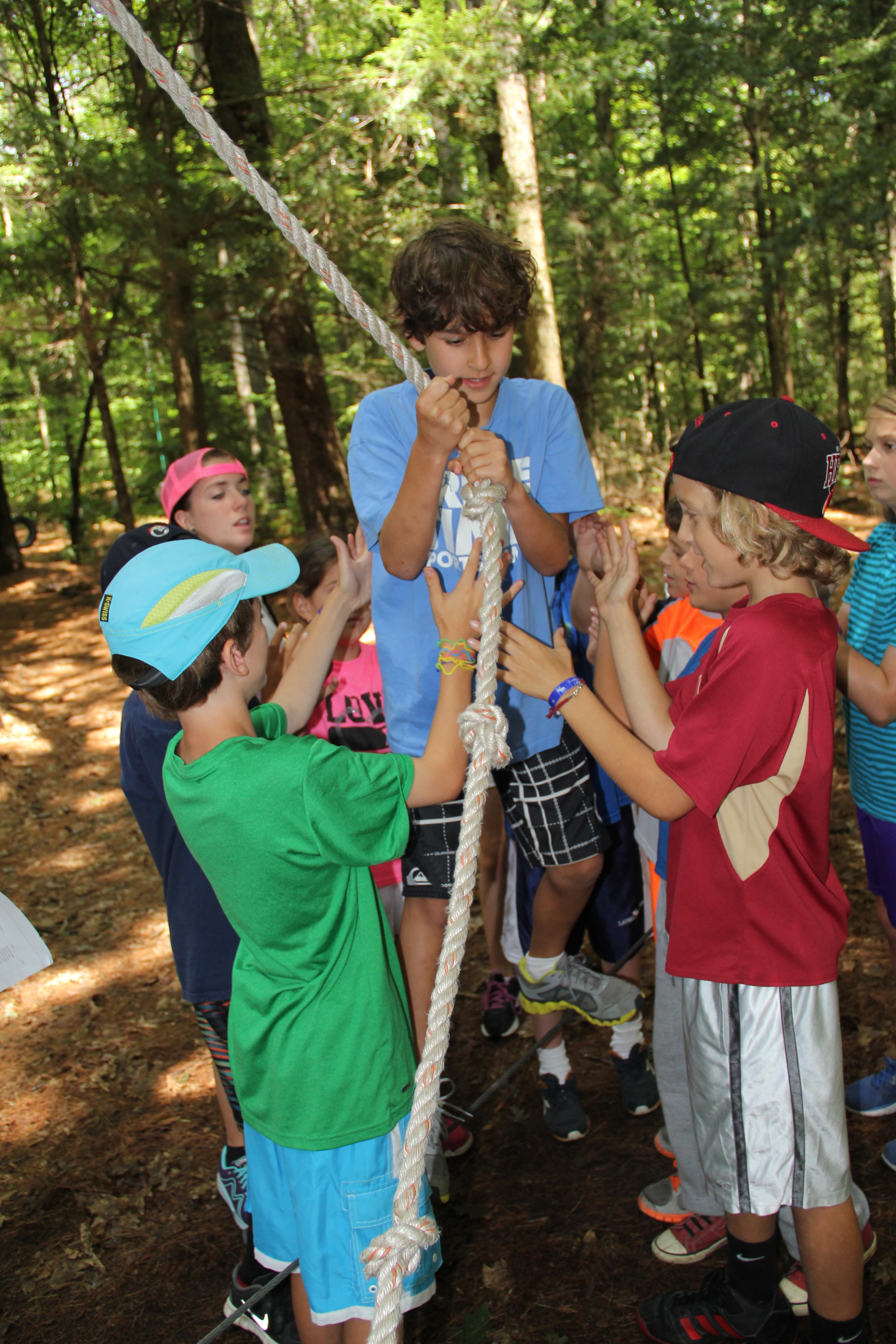
“No” is a word that children hear a lot. No talking in the classroom. No running in the hallways. No playing ball in the house. No to anything that gets clothes dirty. No. No. No. With this in mind, it’s no wonder that “yes” is one of the many reasons that children so eagerly anticipate camp each summer. Of course safety is always a factor, and children also have parameters at camp for that reason. However, those parameters extend much further at summer camp than they do at home and school. At summer camp, campers are encouraged to climb walls, zip down ropes, run, get dirty and play ball. Even when they express doubt in themselves, they are encouraged with, “Yes, you can.” There is no pressure to be the best at something or to even be good at it, simply to try it. With such encouragement, many campers venture into previously unexplored territory and discover that they can, in fact, do things they previously thought they couldn’t.
The benefits of such encouragement extend beyond the development of courage to try new things. Children become more open to possibilities. They develop the skills to venture out of their comfort zone and examine situations from different angles. A refined sense of creativity helps them attack tasks that previously seemed difficult or even impossible. They learn to comprehend the importance of trying, particularly when the time and place is right. With such perspective, “no” and “yes” become words less associated with ability and more associated with restraint. If they’re talking in the classroom, they can’t understand what the teacher is saying. School is not an environment that makes running in the hallways safe. Things tend to break when they play ball in the house. The clothes they wear when they’re not at camp are just a little nicer than the ones they tend to wear at camp. In contrast, camp is a safe environment for them to talk, laugh, run, play, climb and get messy in ways that are productive. In short, it’s an environment with less restraint in mind. Once children are able to understand the symbiotic relationship between “yes” and “no,” they are better able to accept “no” for what it actually means: It’s not in your best interest.
The typical image of evenings at summer camp involves campers sitting around a campfire roasting marshmallows and singing songs. While campfires are an essential part of the camp experience and some camps enjoy campfires nightly or weekly — they’re only the tip of the iceberg when it comes to after dinner activities. While some nights, particularly those following busier than usual days, are “chill” nights at camp during which campers watch a movie, enjoy a camp show or, yes, sit around that infamous campfire, on most nights when the sun goes down at camp, the action heats up and things get crazy—sometimes really crazy—and maybe even a little goofy.
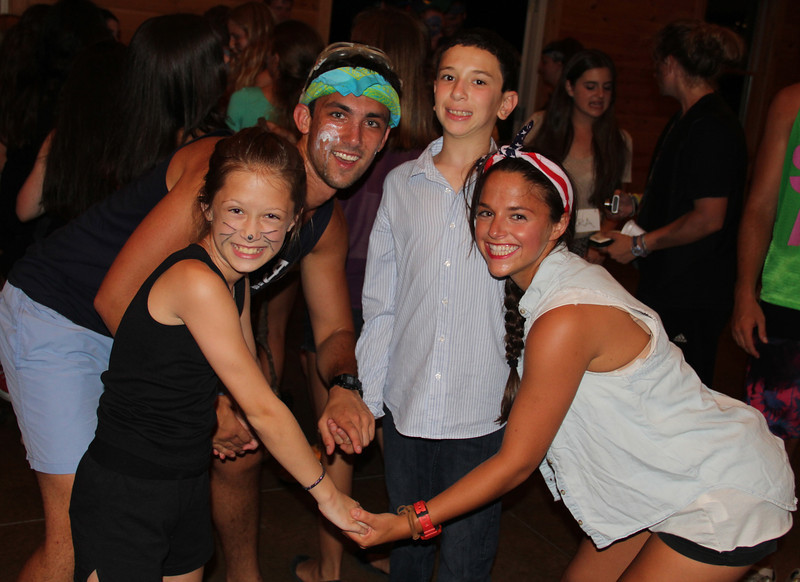
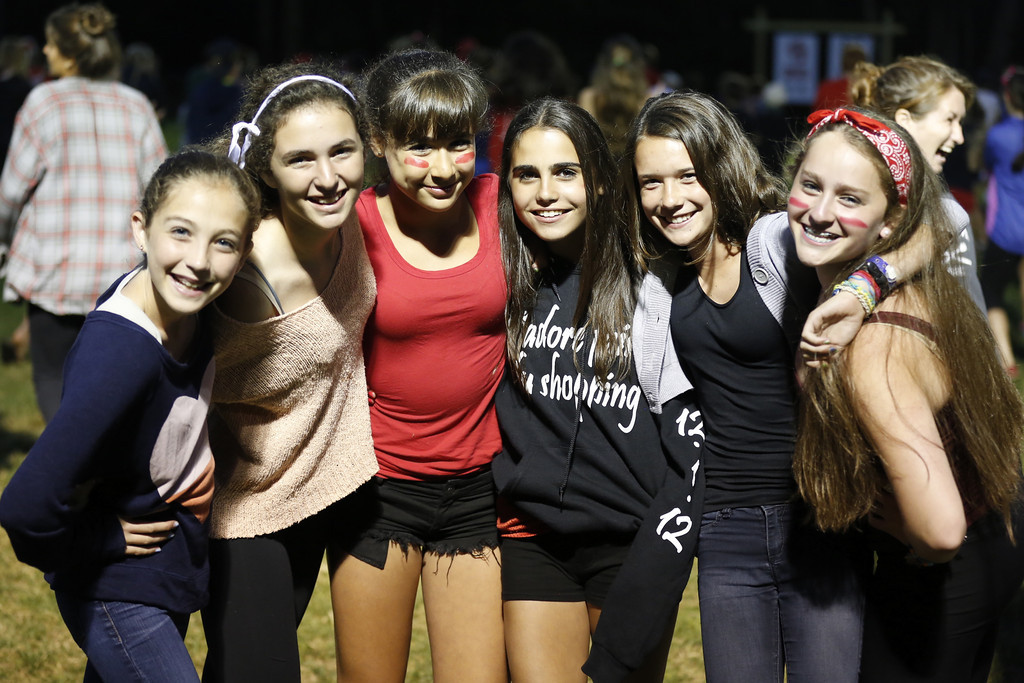
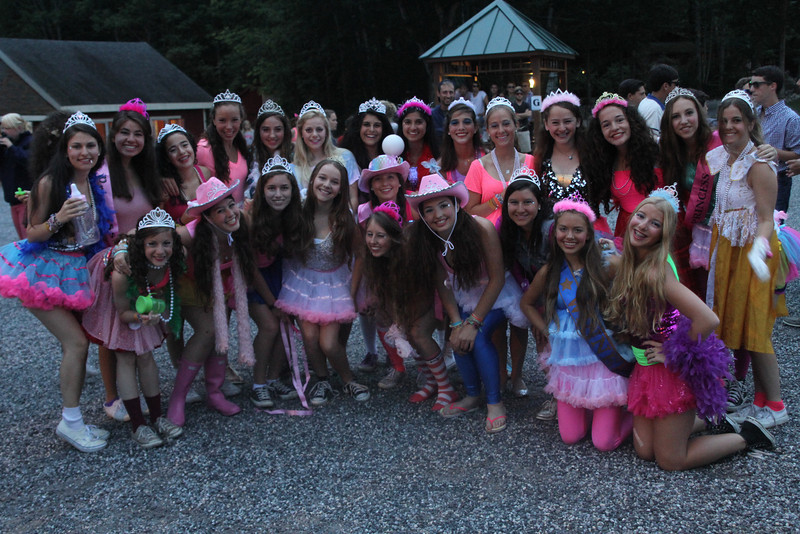
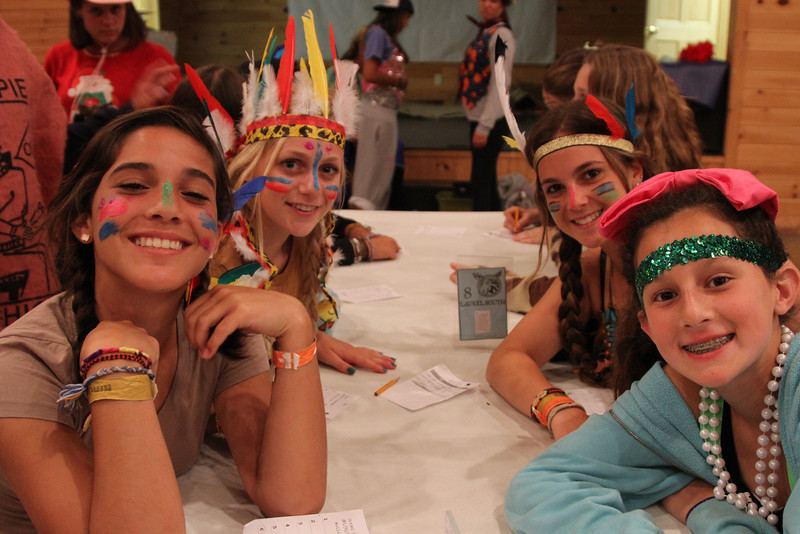
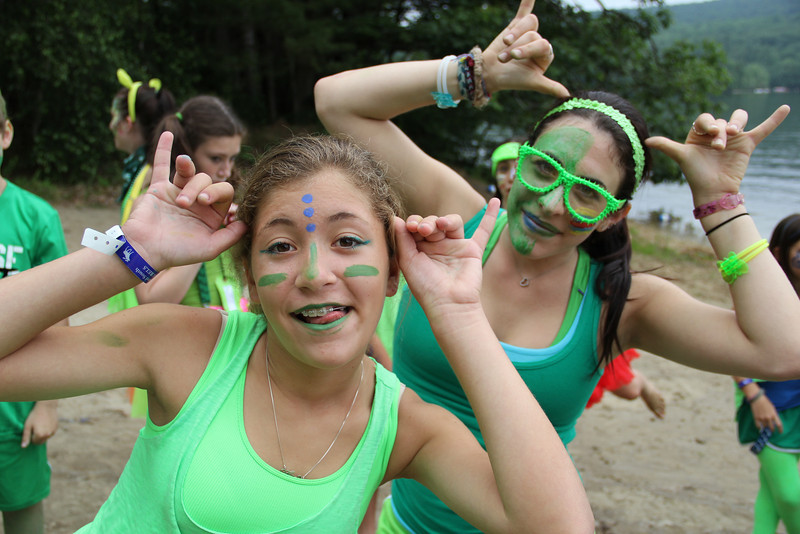
Whether it’s a dance, an evening of games or a scavenger hunt, it’s important to dress for the occasion and costumes are often encouraged. Acceptable attire often includes tutus, crazy hats or wigs, temporary tattoos and face or body paint. When competition is involved, dressing in team colors is also a must. Friends or even entire cabins often try to mirror each other with matching outfits, and showing team spirit typically becomes a competition within a competition. Clever cheers (often involving inside camp jokes), singing, and loud encouragement provide the soundtrack to a night of activities designed to help everyone let loose, be themselves, and, most importantly, have fun. So what is the point of so much silliness after a full day of activities? It’s simple. Play. Play has long been touted by child psychologists as crucial to social and cognitive development. At camp, however, the kind of play that happens during evening activities takes on a much bigger role as an avenue for inspiring campers and staff alike to embrace camp values and put them into action.
At least one of these three key words consistently appears in camp mottos: “tradition”, “family”, “friends.” All three are emphasized during evening activities at camp. Whether it’s to win a competition or a race, playful evening activities are a fun way for campers to come together as a family to achieve a common goal. More importantly, individual age divisions often spend time together during evening activities. During the day, campers go in many different directions, depending on their interests and program schedules. In the evenings, however, they come back together as a group. In the midst of lighthearted moments, friendships are born and strengthened.
Sleepaway camp traditions don’t begin and end with campfires and sing-alongs. They are evident—or sometimes born—in even the wackiest moments of evening activities. Those activities become perennial favorites to which campers look forward all year. They spend time during the winter contemplating ways in which they can enhance tradition and future memories by building upon previous experiences of those activities. They communicate with each other, brainstorm ideas and even make plans. In short, through play, campers take ownership of their camp experience as well as their camp traditions. In doing so, they embrace camp values.
Raise your hand if this happened to you this year—as it does every year right about now. Just when you thought you’ve finally—FINALLY—heard the last of the camp stories, it arrived. Maybe it was the camp video, the camp newsletter…even an invitation to a camp reunion. Whatever it was, it was about camp, reminding you that we’re halfway to another summer, and now you’re hearing that waterskiing or baseball story for, oh, about the 27th time. And raise your hand if you ever find yourself questioning how a few weeks each summer can have such a profound impact on your children that they’re still talking about it in the dead of winter as if it was just a couple of weeks ago. Not that you mind. You’re very happy that your investment in summer camp has been a good one. But you still wonder. Well, here are a few things to consider.
1.) At summer camp, campers get to spend all day, every day with their friends. Before you argue that they get that at school too, consider this: At summer camp, campers not only spend all day with their friends, they get the opportunity to interact with them. When you think about it, interaction with friends at school is primarily limited to hallway conversations between classes, recess (for younger children), and lunchtime. Sure, they may steal a few exchanges during class at the risk of detention, but for the most part, talking while teachers present lessons (which comprise the bulk of the school day) is generally discouraged. In juxtaposition, summer camp is more like a sleepover that lasts several weeks, and everyday campers get to do something special with their friends. Beat that on the fun-o-meter!
2.) Children can be themselves at camp. Not that there aren’t rules to follow at summer camp, too. But the rules tend to be the kind that promote being at ease. They are considerably more relaxed than those imposed at school, and even those pertaining to appropriate conduct in social situations are somewhat lax in comparison to those they have to follow the other ten months of the year. Most restaurants (or their patrons) probably aren’t too excited when children start singing or cheering in the middle of their meal, for example. Most summer camps encourage it.
3.) Children get to be independent at summer camp. Not that your children don’t love and adore you, but they like doing things on their own too. Children take a lot of pride in accomplishing something they tried for the first time at camp on their own (with the support of their fellow campers, counselors, and a host of other camp staff as well, of course…but in their minds, it was all them, and that’s okay). It gives them a sense of pride to know that they don’t need Mom and Dad to do everything.
4.) Camp is a youthful environment. Camp is an environment dedicated to youth. Even staff members are young at heart. This doesn’t sound like a big deal, but think about the “real” world from a child’s perspective. It’s basically a place where they are constantly put in check by grown-ups and reminded about all of the things they can’t do until they are grown-ups. Camp, in contrast, is a place all about pleasing kids and where they are constantly reminded of why it is so sweet to be a kid.
5.) Children observe time differently at summer camp. Really! They do. When the school year begins, so does a countdown that children measure in “months still to go.” It’s a slow moving countdown of which children consistently consider themselves on the back end. There is always still time. When summer camp begins, a countdown also begins. But this countdown is measured in “weeks that have already passed.” Children place themselves on the front end of the camp countdown. In other words, they know that their time at summer camp is limited. From the second they arrive, they set out to make each and every minute count, which increases the intensity of the experience. That’s why those seemingly mundane ‘It’s a camp thing’ or ‘You had to have been there’ stories you hear over and over are so revered by your children. They were actually living so vividly in the moment they experienced them that the moment sticks with them. Not many children share quite the same enthusiasm about, let’s say, their last math exam, for example.
So when the next camp reminder arrives in your mailbox or your inbox and the stories start again, just remember that, for campers, an arrival of anything from camp is like receiving a postcard from Neverland.